

 EU
EUSteel and aluminium are the two most widely used metals in manufacturing. They can look similar on a shelf, but their properties differ sharply once you put them under load, heat, or salt spray. The metal you choose affects part weight, machining cost, lead time, and how long the finished product lasts in service. This guide breaks down the real differences between the two, so the decision comes down to data rather than habit.
What is Aluminum?
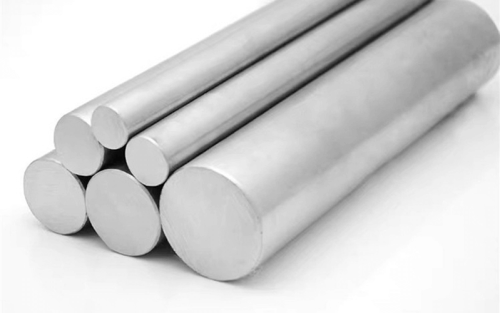
Aluminium is a light, soft metal on its own, so it is almost always specified in alloy form to gain the structural strength needed for real parts. The alloy number tells you a lot about what the material is good for.
5052 offers excellent formability, often used in sheet metal work and marine fittings. 6061 is the general-purpose workhorse, with a solid balance of strength and machinability. 7075 is the strongest of the common aluminium alloys. Aerospace and motorsport industries rely on it for highly stressed components where every gram matters but strength still has to hold up.
What is steel?
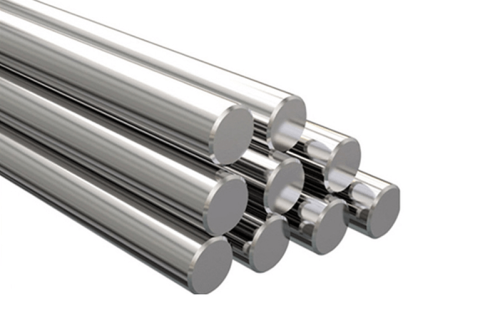
Steel is an alloy of iron and carbon. Manufacturers adjust its properties by adding elements such as chromium, nickel, molybdenum, or vanadium in small percentages. Carbon content alone can shift steel from soft and ductile to hard and brittle.
Carbon steel is the most common type and the most cost-effective, covering a wide range of structural and mechanical applications where corrosion resistance is not a priority. Alloy steels add specific elements to improve wear resistance or toughness for more demanding jobs. Stainless steel adds chromium, usually above 10.5 percent, to form a passive oxide layer on the surface. Grades like 304 and 303 offer good general corrosion protection, while 316 and 316L add molybdenum for better performance in chloride-rich environments such as marine or chemical processing.
Aluminium and Steel: Main Property Comparison
Density and weight
Aluminium has a density of roughly 2.7 g/cm³. Steel sits between 7.75 and 8.05 g/cm³ depending on the alloy. Aluminium weighs about one-third as much as steel for the same volume, because steel has a higher density and can be up to three times heavier for the same volume. This is the single biggest reason aluminium shows up wherever weight reduction matters, from vehicle panels to drone frames. Its lower weight can also reduce shipping costs significantly.

Strength
Steel generally wins on raw tensile strength and is usually the better choice when maximum strength matters in load-bearing or heavy-duty uses. Standard structural steels sit around 400 to 500 MPa, while common aluminium alloys are much lower, often around 90 MPa. High-performance alloys flip this comparison. 7075 aluminium can reach tensile strengths of 540 to 590 MPa, which exceeds many low-carbon steel grades. Alloy choice matters more than the metal family here.

strength to weight ratio
This is where aluminium changes the conversation. Because it is so much lighter, it often delivers more strength per unit of weight than steel, even when its absolute strength is lower. Steel provides high absolute strength but carries a weight penalty that engineers have to account for in any moving component. This ratio is the core reason aerospace and automotive design leans on aluminium whenever payload or fuel efficiency is on the line.
Hardness
Steel is far harder than aluminium. Brinell hardness for steel typically ranges from 80 to 600 HB depending on grade and heat treatment. Aluminium alloys usually sit around 15 HB . This gap shows up directly in wear resistance and surface durability under repeated contact or abrasion.

Thermal conductivity
Aluminium conducts heat far better than steel. Its thermal conductivity runs from about 210 to 235 W/m·K, compared to steel’s 15 to 52 W/m·K. This is why heat sinks, radiators, and thermal management systems lean so heavily on aluminium. Heat needs to move fast, and aluminium moves it.
Electrical conductivity
Aluminium carries current reasonably well, at around 60 percent the conductivity of copper. Steel is a poor conductor by comparison, typically 3.5 to 10 percent. This makes aluminium a practical choice for overhead power lines and some electrical enclosures, where weight and cost both favour it over copper.

Melting point
Steel melts at a much higher temperature, generally between 1350°C and 1550°C. Aluminium melts far lower, around 660°C. Anywhere sustained high heat or high temperatures is part of the operating environment, steel holds up better simply because it stays solid longer.
Corrosion resistane
Aluminium forms a thin protective oxide layer on its surface as soon as it is exposed to oxygen, creating aluminium oxide. That corrosion resistant surface is what gives it natural corrosion resistance, helping prevent further corrosion in humid or marine settings, and in many applications it does not require additional coatings.
Plain carbon steel does not have this advantage and can corrode if left unprotected. Left unprotected, it rusts quickly, so it needs coatings such as paint, zinc plating, or galvanising for outdoor use.
Stainless steel closes much of this gap. Its chromium content builds a passive layer similar in function to aluminium’s oxide film, and in aggressive chemical environments it can outperform aluminium. The trade-off is cost, since stainless grades run considerably more expensive than both carbon steel and standard aluminium alloys.
One point that surprises people new to material selection: aluminium actually gets stronger and tougher at low temperatures through a cold work hardening effect. Steel does the opposite, becoming more brittle and prone to fracture in extremely cold conditions, which matters for anything operating in cold climates or cryogenic settings.

Machining and Manufacturing Performance

Machining
Aluminium is softer and conducts heat away from the cutting edge quickly. That combination allows higher spindle speeds, longer tool life, and shorter cycle times. Steel demands the opposite approach. The harder material generates more friction and tool wear, so slower cutting speeds and more frequent tool changes are part of machining it efficiently. Aria Manufacturing adjusts CNC parameters specifically for each steel grade to keep tool life and surface finish consistent.
Aluminum can be welded using a variety of methods, but it is more difficult to weld than steel. Steel can be joined using MIG or TIG welding, and Aluminum can also be joined using these methods. However, the process is more complicated and requires more expertise.
Welding
Steel welds easily and consistently, with fewer defects for a given skill level. Aluminium is more demanding. Its high thermal conductivity pulls heat away from the weld pool fast, and the oxide layer on its surface has to be removed thoroughly before welding or it will contaminate the joint. Clean aluminium welds usually call for specific equipment and technique, more so than steel.
Forming and bending
Aluminium’s ductility makes it easier to form into more complex shape options. The trade-off is that it needs a larger bend radius to avoid cracking, and it springs back noticeably after bending, so tooling has to compensate. Aluminium extrusions can also be relatively inexpensive because tooling costs are often low. Steel has minimal springback and handles tighter bend radii more predictably, which is part of why it remains a default choice for structural components. More complex steel shapes often require higher forming temperatures.
Magnetism
Steel contains iron, so most grades are strongly ferromagnetic. Aluminium is non-ferrous and non-magnetic. This matters directly in applications like electromagnetic shielding or sensitive electronic equipment, where magnetic interference has to be kept to a minimum.
Cost and Lifecycle

Raw material cost
Steel is generally cheaper than aluminium on a per-kilogram and per-pound basis. In particular, mild steel and carbon steel typically cost less than aluminium. For budget-constrained structural projects, steel usually wins at the material stage.
Processing cost
Aluminium often incurs higher manufacturing costs, so overall cost effectiveness depends on whether its performance benefits justify the extra processing. The stricter requirements for welding and complex forming drive up total fabrication prices, even when the raw material itself was cheaper to source.
Lifecycle cost
Over a long service life, aluminium’s corrosion resistance can change the economics. A component deployed in a marine setting for 20 years or more may need minimal maintenance in aluminium, while steel demands regular recoating and rust prevention. Those ongoing costs often make steel the more expensive option over the total product lifespan, even with a lower purchase price.
Recycling value
Both metals are highly recyclable. Steel holds the title as the most recycled material in the world by volume, supported by established scrap infrastructure nearly everywhere. Aluminium retains a higher scrap value, and processing recycled aluminium takes only a fraction of the energy needed for primary production.

When to Choose Aluminium

Aluminium is often the ideal material where weight reduction has a direct payoff, such as aerospace structures, automotive parts, drones, or portable equipment; for example, in drone frames or handheld devices, lower weight is often the preferred choice. It also fits environments with high corrosion risk, particularly marine and outdoor applications, and any design where heat needs to dissipate quickly, like enclosures for electronics or heat sinks. If the application calls for non-magnetic material or good electrical conductivity relative to weight, aluminium is usually the better starting point. The best option still depends on the specific requirements, specific needs, and the specific project.
When to Choose Steel

Steel is often the stronger and more essential choice where raw strength, hardness, and high-temperature resistance matter more than weight. Structural frameworks, heavy machinery components, construction work, tooling, and other industrial applications exposed to sustained mechanical wear tend to favour steel. Its weight can also make on-site placement more difficult and may require heavy machinery. It is also the more economical option where budget per kilogram is tight and corrosion is not a major concern, or where stainless grades can be justified for a harsher environment. If welding simplicity and predictable forming behaviour matter for production efficiency, choosing steel or aluminium is crucial to overall project performance, depending on project demands.
