

 EU
EUMaterial choice sets the ceiling on what a CNC machined part can actually do.
It determines mechanical strength, corrosion resistance, and dimensional accuracy. It also decides how fast the tool wears, how long the job takes, and what the final cost looks like. A part machined from the wrong material may hold its shape on the bench and still fail once it sees real load or a corrosive environment.
Broadly, CNC materials split into two camps. Metals and metal alloys cover high-strength, load-bearing applications. Plastics and composites suit lightweight parts, electrical insulation, and rapid prototyping. This guide walks through the common CNC materials worth knowing, the factors that should guide the choice, and where each option tends to end up in the field, whether you’re scoping out a new CNC machining project or refining one already underway.

Introduction to CNC Machining
CNC machining, short for computer numerical control machining, is a subtractive process. A solid block of raw material sits in the machine, and computer-directed tool paths cut away everything that isn’t part of the final geometry.
Coded numerical instructions, generated from a CAD file, drive the cutting tools across multiple axes. This lets the process hold high precision dimensional accuracy even on complex features, often down to fractions of a millimetre.
Every cutting pass puts stress on both the tool and the workpiece. Heat builds up at the point of contact, and shear forces act on the material’s internal structure. The material chosen absorbs and responds to these forces differently, which is why material selection sits at the centre of the whole manufacturing process.
Metal materials and plastics behave quite differently under the cutter. Metallic alloys generally offer higher yield strength, greater load-bearing capacity, and higher thermal limits. Engineering plastics and composites weigh less, insulate electrically, and tend to be gentler on tooling during high-speed cuts.
The right choice depends on more than raw material properties. Part geometry, structural demands, and production volume all factor into the decision, alongside the practical questions of tool wear, cycle time, and overall cost.
Commonly Used CNC Machining Materials
Material choice comes down to a balance of structural performance, machinability, and cost. Below are the most common CNC materials specified for CNC work, along with the grades engineers reach for most.
Metals
Aluminium
Offers an excellent strength-to-weight ratio and excellent machinability, machining cleanly at high speeds.
6061: The standard general-purpose grade. Its main alloying elements are magnesium and silicon, giving reliable weldability and corrosion resistance; used across aerospace fittings, automotive parts, and consumer electronics housings.
7075: Uses zinc as its primary alloying element, along with magnesium and copper, giving it extreme strength that rivals many structural steels. Suits heavy-duty aerospace and structural parts, though it costs more and machines less easily than 6061.
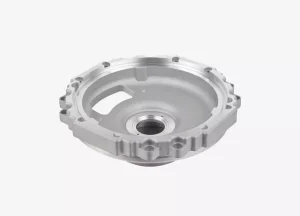
Stainless Steel
Known for high corrosion resistance, resisting oxidation and holding up well under load.
304: Covers most general industrial applications, offering excellent corrosion resistance all round. An austenitic grade, so heat treatment can’t raise its strength by much.
316: Adds molybdenum, which improves resistance to chloride pitting, acids, and marine environments, making it a mainstay for marine hardware and coastal installations. Also an austenitic grade.
17-4 PH: A precipitation-hardening martensitic grade whose strength can be substantially increased through heat treatment; shows up often in aerospace and medical hardware where 304 or 316 alone would not provide enough strength.
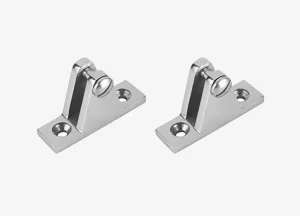
Carbon and Alloy Steel
Chosen for hardness, wear resistance, and load-bearing capacity.
1018: A low carbon grade that machines easily; suits shafts, pins, and general fixtures.
4140: A medium carbon alloy steel that takes heat treatment well; ends up in gears, bearings, and heavy equipment linkages where fatigue resistance matters.
Tool steels: Sit at the harder end of this family, prized for the wear resistance they bring to cutting tools and dies.
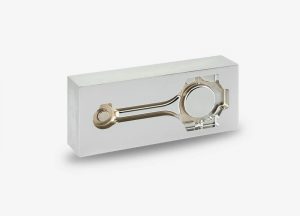
Brass and Copper
As soft metals, both conduct heat and electricity efficiently and carry a low coefficient of friction.
Brass (C360): A free-machining grade that cuts cleanly at high speed, making it a natural fit for electrical components and connectors, valve components, marine applications, and decorative fittings.

Copper (C110): The most common commercial grade (electrolytic tough pitch copper). Its high ductility and gumminess make it markedly harder to machine than brass, and it tends to build up on the tool edge.
Copper alloys (C14500 / C14700): Tellurium copper and sulfur copper improve chip formation without giving up much conductivity, making them the better choice when CNC work needs both strong conductivity and reasonable machinability.
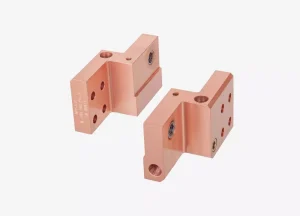
Titanium
Combines high strength with a light weight, low density, and strong heat resistance.
Grade 5 (Ti-6Al-4V): The most common titanium alloy for CNC work. Its biocompatibility makes it a primary material for surgical implants, and its strength-to-weight ratio puts it at the centre of critical aerospace components exposed to repeated stress and temperature cycles.
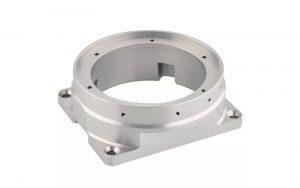
Plastics
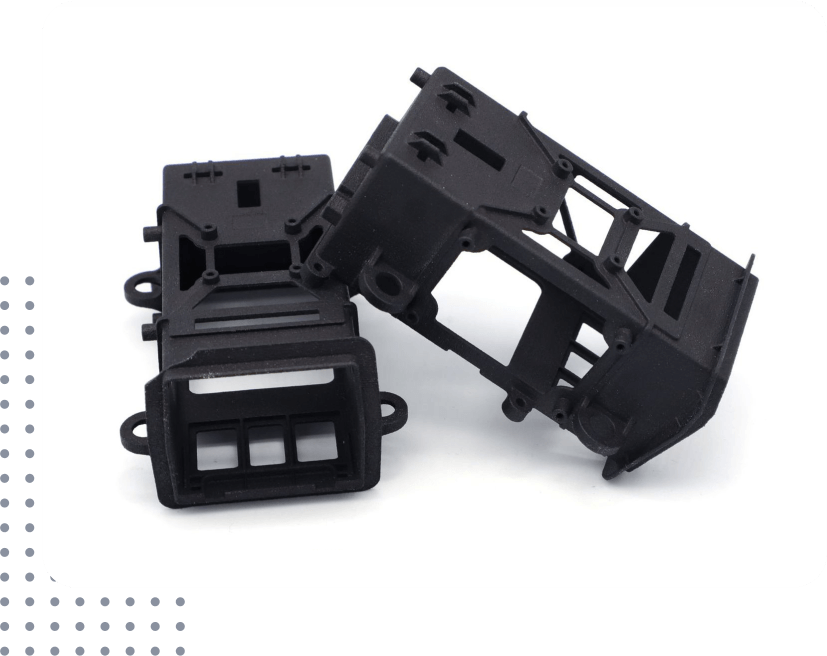
ABS: An affordable thermoplastic with good impact resistance and dimensional stability. A common choice for visual prototypes, concept models, and consumer electronics enclosures where cost and toughness matter more than precision; also a mainstay of injection molding for mass production, with CNC machined ABS parts often standing in as prototypes before that step.
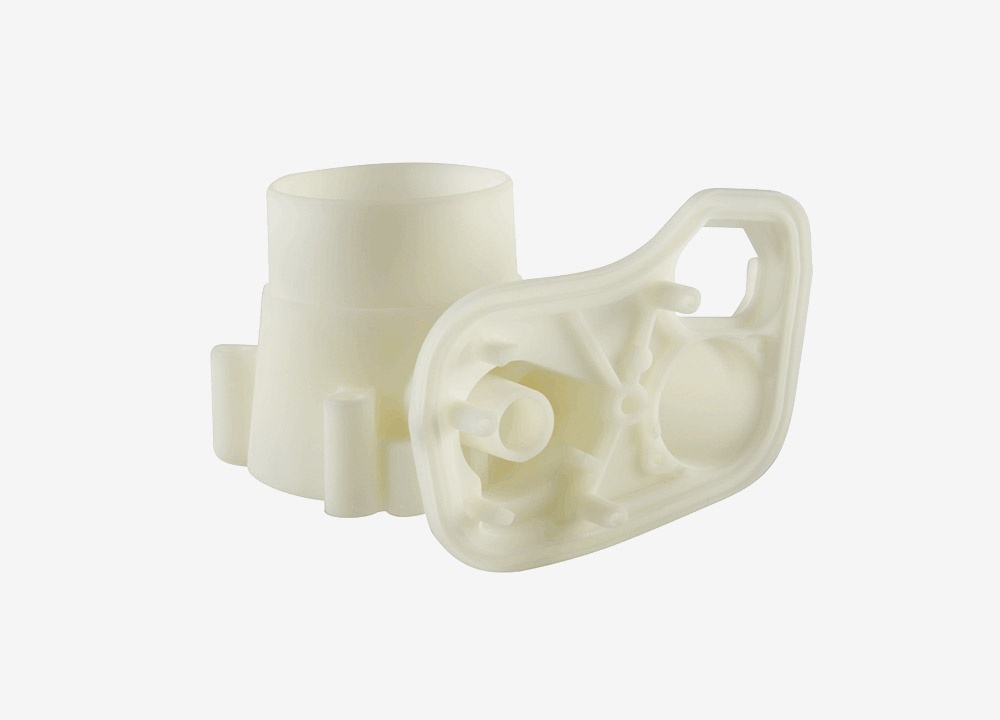
POM (Acetal / Delrin): Offers high mechanical strength, stiffness, and a notably low coefficient of friction. Its minimal water absorption keeps dimensions stable over time, making it well suited to precision bushings, gears, and sliding mechanisms.
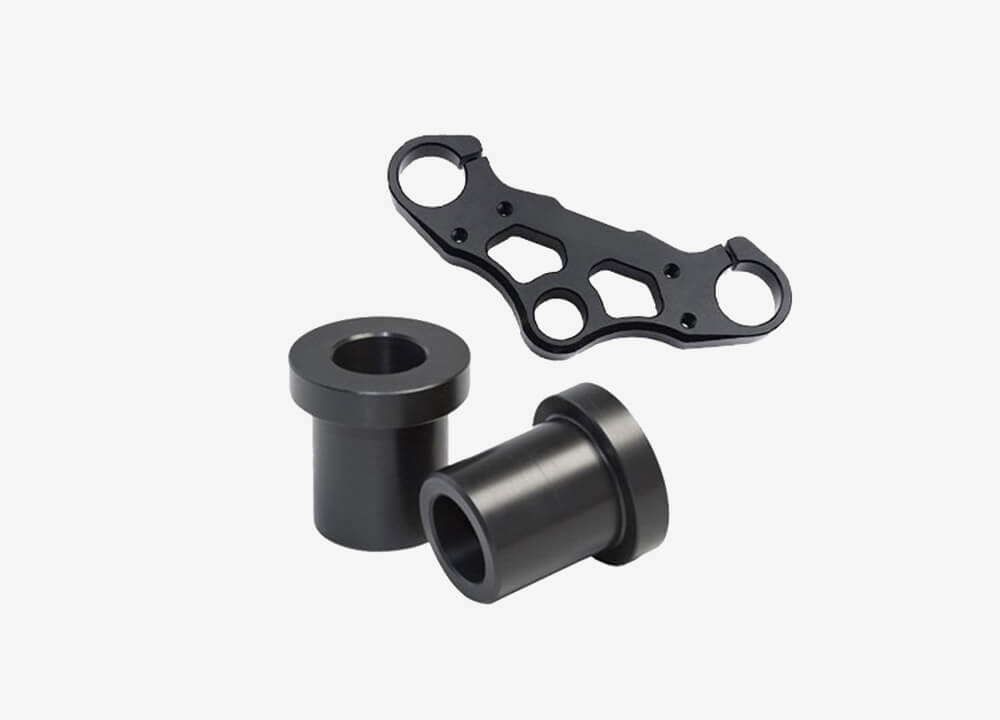
Polycarbonate (PC): Pairs optical clarity with high impact resistance across a wide temperature range. Shows up frequently in protective machine guards, transparent housings, and optical viewports.
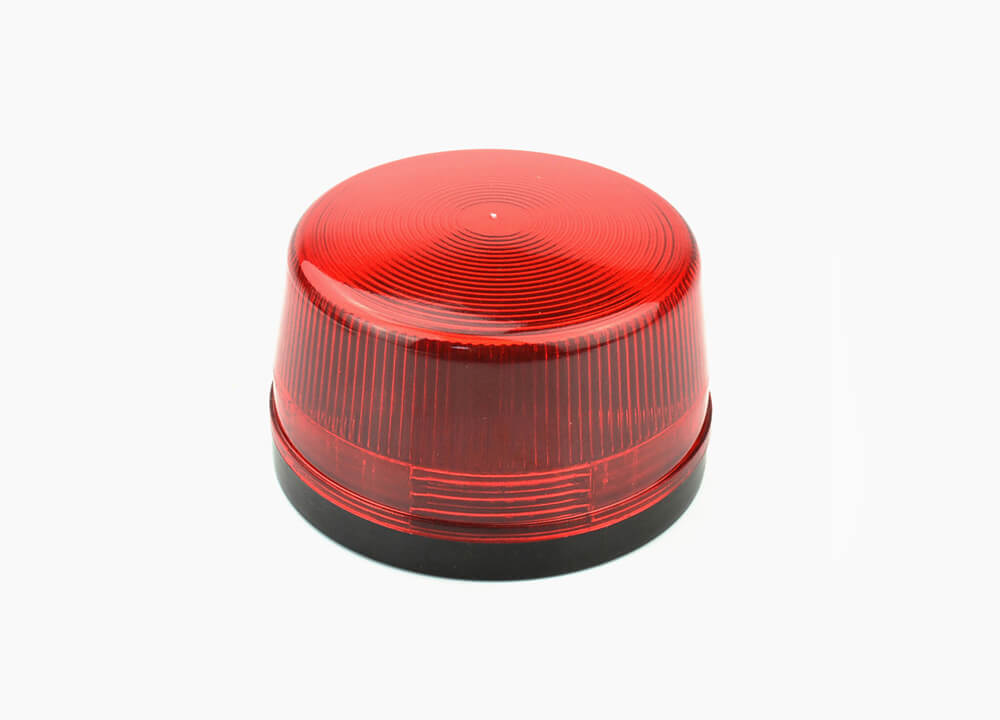
PEEK: Sits at the top of the engineering plastics tier. Resists chemicals, wears well, and holds its excellent mechanical properties even under extreme heat, with a continuous operating temperature of up to 240–260°C. Often replaces metal outright in demanding chemical processing, aerospace, and medical applications.
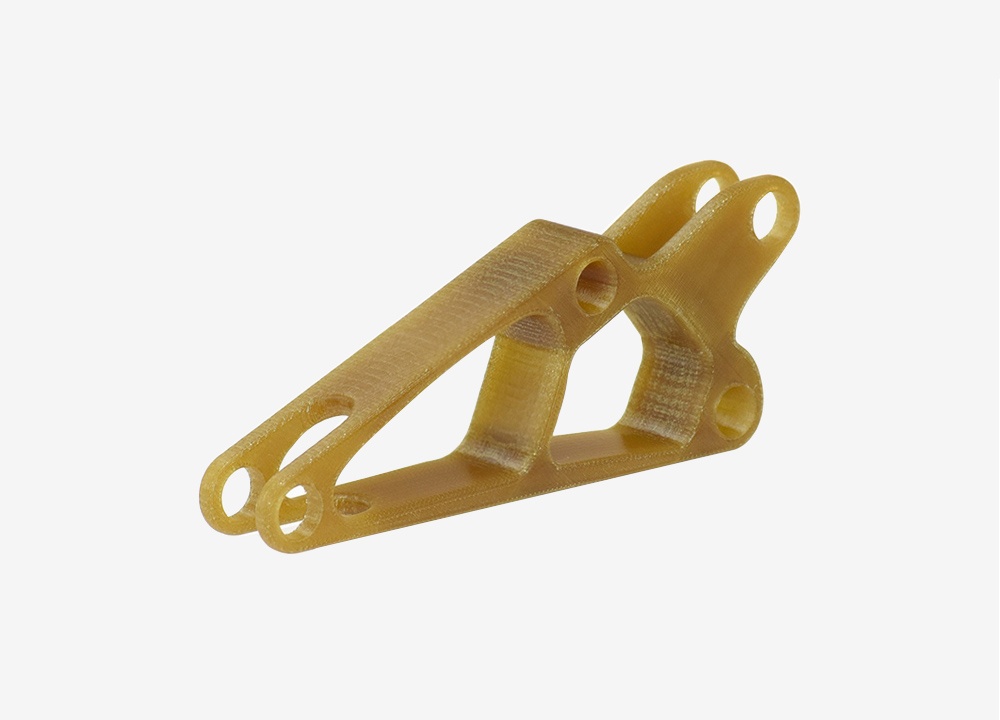
Nylon (PA): Combines wear resistance, toughness, and useful vibration damping. A common pick for high-friction components such as wear pads, guide rails, and power transmission gears.
Other Engineering Plastics
A few additional plastics turn up often enough in CNC work to mention briefly.
PTFE (Teflon): Extreme chemical resistance and a very low friction coefficient, though its tendency to creep under load makes tight tolerances harder to hold.
HDPE and PVC: Lower-cost options for chemical tanks, fluid handling components, and general fabrication where the demands are less severe than what PEEK or POM are built for.
Wood and Composites
Wood-Based Materials
Wood sheet goods still earn a place on the CNC floor, mostly for tooling, mockups, and parts that never see a structural load.
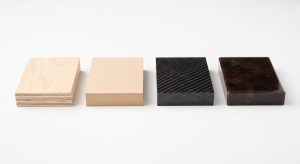
Plywood: Its cross-layered grain resists warping better than solid timber and cuts cleanly on standard router bits, which makes it a regular choice for jigs, fixtures, and packaging mockups.
MDF: A dense, uniform fibreboard that holds fine detail and machines smoothly, often used for design mockups and low-cost molds for composite layup.
Composites and Insulation Boards
Cover the applications where mass, rigidity, or electrical insulation matter more than raw metallic strength.
Carbon fibre composites: Deliver very high stiffness and strength at low weight, useful anywhere mass matters as much as rigidity. Common in drone airframes and robotic arm links, where cutting even a few grams pays off directly in flight time or reach.
Phenolic resins (Bakelite): Valued less for mechanical strength and more for being electrically insulating and heat resistant, used in switchgear and mounting plate applications.
Material Comparison at a Glance
The table below lines up the materials covered above against the factors that usually decide a selection, meant as a quick reference rather than a substitute for the detail in each section.
| Material | Strength | Machinability | Relative Cost | Typical Applications |
| Aluminium 6061 | Medium | Excellent | Low | Aerospace fittings, automotive parts, electronics housings |
| Titanium Grade 5 | Very High | Difficult | High | Surgical implants, aerospace structural parts |
| Stainless Steel 316 | High | Moderate | Medium | Marine hardware, coastal installations, medical equipment |
| Alloy Steel 4140 | High | Moderate | Medium | Gears, bearings, heavy equipment linkages |
| Brass C360 | Medium | Excellent | Medium | Electrical connectors, valve components, decorative fittings |
| ABS | Low | Excellent | Low | Visual prototypes, consumer electronics enclosures |
| POM (Acetal) | Medium | Good | Medium | Precision bushings, gears, sliding mechanisms |
| PEEK | High | Moderate | Very High | Chemical processing, aerospace, medical applications |
| Carbon Fibre Composite | Very High | Difficult | High | Drone airframes, robotic arm links, lightweight structural parts |
| Plywood / MDF | Low | Excellent | Very Low | Jigs, fixtures, mockups, composite layup molds |
Key Factors to Consider When Choosing a CNC Machining Material
Choosing materials for CNC work starts with understanding what the part actually needs to survive, a core mechanical engineering question, not which material looks strongest on a datasheet.
Mechanical Performance Requirements
Start with how the part will be loaded. Tensile strength matters for parts under pull, since materials with high tensile strength resist stretching or snapping under load, hardness matters for surfaces that see wear or repeated contact, and impact resistance matters for anything that might take a knock in service.
Parts under cyclic loading, such as gears or rotating shafts, also need attention paid to fatigue limits. A material can fail well below its rated tensile strength if it’s stressed and released repeatedly over time.
A bracket under constant static load has very different needs from a gear tooth under cyclic stress. Matching the material to the actual load case, rather than defaulting to the strongest of the different materials available, keeps both cost and machining time under control.
Environmental and Chemical Resistance
Consider where the part will actually live, including any harsh environments it may face. Operating temperature range matters, since some plastics soften or become brittle well before metals show any change.
Contact with corrosive media, whether that’s cleaning chemicals, fuel, or seawater, narrows the field quickly. Parts that combine mechanical stress with a corrosive environment carry an added risk of stress corrosion cracking, where cracks form and spread under conditions that neither the load nor the environment alone would cause.
Outdoor parts exposed to UV light need a material that won’t degrade or discolour over time. This rules out several plastics unless they carry UV stabilisers.
Machinability and Manufacturing Costs
Some materials cut easily and hold tolerance without much fuss. Others fight the tool at every pass. Machinability affects how fast a part can be cut in the CNC machining process, how long the tool lasts, and how clean the finish comes out.
Free-machining metals, like 360 brass or 6061 aluminium, allow higher feed rates and cleaner cuts, since these softer materials give up less resistance than other metals. Harder or tougher alloys behave differently.
Titanium, for instance, conducts heat poorly, so heat builds up at the cutting edge rather than dissipating into the workpiece. This forces lower cutting speeds and often calls for specialised tooling.
Stainless steel work-hardens as it’s cut, meaning the surface gets harder with each pass if the tool isn’t kept sharp and the parameters aren’t managed carefully. Both effects slow the job down and drive up tool wear, which shows up directly in the final cost.
Economic and Supply Chain Factors
Raw material price only tells part of the story. A material that is cheap to buy but difficult to machine may cost more overall than a pricier one that cuts fast and produces parts cleanly.
Reaching for a premium alloy or specialty plastic sometimes buys only a marginal performance gain over a standard grade, at a real cost in both material price and lead time.
It also helps to check that the specific grade is readily available in the stock size needed, rather than assuming any aluminium or steel grade will do. Supply gaps and long lead times on niche grades can stall CNC projects as easily as a cost overrun can.
Weighing these four factors together, rather than picking a material based on one property alone, usually points toward the right CNC materials faster than working through a full materials list from scratch.
Post-Processing Options for CNC Machining Materials
A machined part rarely leaves the mill in its final state. The right finishing step protects the surface, improves appearance, or adds a property the base material doesn’t have on its own.
Anodizing
Anodizing is an electrochemical process applied mainly to aluminium. It converts the outer surface into a hard, corrosion-resistant oxide layer.
Type II anodizing gives basic protection with decorative colour options, since dyes can be absorbed into the porous layer before it’s sealed. Type III, or hardcoat anodizing, builds a thicker layer suited to parts that need to be wear resistant in demanding industrial settings.
Bead Blasting and Polishing
Bead blasting fires fine glass or ceramic beads at the surface under pressure. This removes visible tool marks and leaves a uniform satin or matte finish.
Polishing works the other direction. Abrasive compounds progressively reduce surface roughness until the part reaches a high-lustre or mirror finish, which matters for decorative parts or sealing surfaces.
Electroplating and Electroless Plating
Both processes deposit a thin metal coating onto the part. Electroplating uses an electric current to drive the deposit, while electroless plating relies on a chemical reaction instead, which gives even coverage on complex geometries that current-driven plating can struggle to reach.
The metal chosen depends on the goal. Nickel and chrome plating add wear and corrosion resistance, zinc plating is chosen mainly for sacrificial corrosion protection on steel, and gold or silver plating goes on parts needing high electrical conductivity, such as connectors and contacts.
Heat Treatment
Heat treatment changes a metal’s internal crystal structure through controlled heating and cooling. Quenching, a rapid cool after heating, raises hardness and tensile strength but can leave the material brittle.
Tempering usually follows quenching. A second, lower-temperature heating step reduces that brittleness while keeping most of the added hardness. Annealing takes a different route entirely, using slow cooling to soften the material and relieve internal stress before further machining.
Deburring and Vapor Polishing
Deburring removes the sharp edges and burrs that machining leaves behind, by hand, tumbling, or automated tooling. It’s a standard step on both metal and plastic parts, since burrs can interfere with assembly or create a handling hazard.
Vapour polishing is specific to plastics, and works particularly well on polycarbonate. Solvent vapour briefly softens the outer surface, smoothing tool marks into a glossy, optically clear finish without the abrasion a bead blast would apply. Acrylic (PMMA) is usually better served by flame polishing or buffing instead, since solvent vapour can induce stress cracking (crazing) on acrylic rather than a clean finish.
Common Applications for CNC Machining Materials
Material choice directly shapes how a part performs once it’s in service. Different industries lean on specific metals and plastics based on operating loads, environmental exposure, and regulatory requirements.
Aerospace Sector
Aerospace components demand a high strength-to-weight ratio and reliability through extreme temperature swings and rapid thermal cycling. Titanium alloys and Aluminium 7075 are the primary choices for structural airframe parts and engine mounts, while titanium alloys alone carry the load in turbine components, since aluminium can’t survive the hot-section temperatures involved. All of these hold their structural integrity while keeping mass to a minimum, which matters directly to fuel efficiency and payload capacity.
Medical Devices
Medical applications call for tight dimensional precision and strict biocompatibility. Grade 5 titanium (Ti-6Al-4V), 316L stainless steel, and PEEK are the standard choices for surgical instruments, orthopaedic implants, fluid delivery manifolds, and other medical equipment and laboratory equipment.
These substrates hold up through repeated autoclave sterilisation without degrading or leaching substances into the body, which is why they dominate this sector over cheaper alternatives.
Automotive Industry
Automotive engineering balances mechanical durability against weight reduction for fuel efficiency. Aluminium alloys serve engine blocks and control arms, while heat-treated alloy steels like 4140 go into transmission gears and drive axles where fatigue resistance under repeated load matters most.
Nylon bushings and bearings absorb continuous vibration and shock in suspension and drivetrain assemblies, where a metal part would transmit noise and wear faster.
Electronics and Semiconductors
Thermal management and electrical insulation drive material choices in this sector. High-purity copper and aluminium alloys machine into heat sinks and cold plates that pull heat away from operating components.
Engineering plastics like POM and Bakelite provide the electrical insulation side of the equation, showing up in semiconductor test sockets, connector housings, and enclosure frames that protect electronic components where conductive metal would short a circuit.
Industrial and Consumer Goods
General industrial and consumer applications draw on a broader mix of common materials and thermoplastics. Carbon steel and brass build hard-wearing valve bodies, drive shafts, and pneumatic fittings that see continuous mechanical cycling.
ABS and polycarbonate cover the lighter end of the spectrum, standard for visual prototypes, clear protective guards, durable commercial housings, and consumer products where cost and moldability matter more than raw strength.
Choosing the right material is only half the job. Getting the finish, tolerance, and post-processing right is what turns a machined blank into a part that performs as designed. If you’re weighing material options for an upcoming project, Aria Manufacturing’s engineering team can help match the substrate and finish to your application before you commit to a production run.
-100x100.jpg)