The Difference Between Feed Rate and Cutting Speed

Feed Rate Vs Cutting Rate

Share:

Table of Content

Table of Content

Why Feed Rate and Cutting Speed Matter So Much

Cutting speed and feed rate control different parts of the cut, and even with the right machine and tooling, getting either one wrong shows up fast as chatter, burnt edges, dead tools, or scrap. These two settings drive three things on every job: part quality (chip load, finish, stability), tool life (heat and load that wear or break the edge), and efficiency (material removal rate and cycle time). Set them by guesswork and you get scrap; understand how they interact and you get a clean, repeatable process.

What Is Cutting Speed?

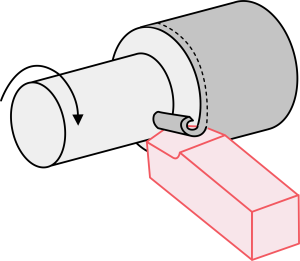
Cutting speed—also called surface speed—is the relative velocity between the cutting edge and the workpiece surface at the point of contact. It tells you how fast the tool is rubbing across the material, and it’s measured in surface feet per minute (SFM) or meters per minute (m/min). It mainly drives heat generation, tool wear, power draw, and cutting stability.

cutting speed

Factors That Affect Cutting Speed

  • Material type— softer metals like aluminum run far faster than hardened steel, which needs a much lower speed to avoid wrecking the tool.
  • Tool material and coating— carbide and coated tools tolerate higher speeds than plain high-speed steel.
  • Tool life target— when a tool is expensive or needs to last, back the speed off to slow the wear.
  • Depth of cut— deeper cuts pile on heat and load, so the speed has to come down; shallow cuts let you push faster.
  • Cooling conditions— good coolant flow lets you hold a higher speed without overheating the edge or the part.
  • CNC machine capability — the spindle’s speed range, power, and rigidity cap the cutting speed you can actually run.

What Is Feed Rate?

Feed rate (F) is how fast the tool advances along the workpiece—the linear motion that actually removes material. In milling it’s read in IPM or mm/min; in turning and boring it’s distance per spindle revolution (IPR or mm/rev). It sets the chip load, which is how much each tooth slices off per revolution, and that directly governs surface finish and cycle time.

Feed Rate Vs Cutting Rate

Factors That Affect Feed Rate

  • Material type — hard, tough materials need slower feeds to protect the edge from chipping and breakage; softer ones take a faster feed.
  • Tool geometry and flute count — the number of teeth and the cutter geometry set the feed per tooth you can run.
  • Depth and width of cut — deeper, heavier cuts call for a lower feed to keep things steady.
  • Chip thinning — when the cut width drops below half the tool diameter, chip load falls, so raise the feed to compensate.
  • Machine rigidity — a stiff, well-clamped machine handles higher feeds without chatter; a weaker setup forces you to slow down.

Feed Rate vs. Cutting Speed: What’s the Difference?

Both feed into material removal rate, but they describe different motions and govern different results. Here’s how they split out:

Type of motion

Cutting speed is the rotational surface speed at the cutting edge; feed rate is the linear advance of the tool.

Units

Cutting speed in SFM or m/min; feed rate in IPM/mm/min (milling) or IPR/mm/rev (turning).

How they’re set

Chosen independently but balanced—the cutting speed fixes the RPM, and feed rate is built on top of it.

Material removal rate

The two combine to set how fast material comes off—higher speed and feed lift productivity, but only as far as the tool and machine can take it.

Tool life and heat

Cutting speed is the main driver of heat and tool wear—run it too high and the edge overheats and fails early.

Surface finish

Feed rate is the dominant factor—lower feed per tooth leaves a smoother surface—while speed influences finish through heat and built-up edge.

Vibration and stability

Feed that’s too aggressive or speed near a resonant range triggers chatter; a balanced pair keeps the cut steady.

Power consumption

Cutting speed drives spindle power and heat, while feed adds to the cutting force—both raise the load the machine must supply.

Directrix and generatrix

Cutting speed generates the surface along the generatrix (the line swept by the cutting edge), and feed moves the tool along the directrix (the path that guides it); together they define the machined surface.

The Relationship Between Cutting Speed and Feed Rate

The two work together to set your material removal rate, and the trick is balance. Too much speed cooks the tool; too much feed overloads it into chatter and a rough finish; too little of either just wastes time while the tool rubs instead of cuts.

As a milling starting point: feed rate (in/min) = RPM × number of flutes × feed per tooth, with RPM set by the target cutting speed and tool diameter. Use that as a baseline, then check it against the speeds-and-feeds chart for the actual material and tool before running a real part.

Need parts machined to spec?

Aria Manufacturing handles your CNC machining, injection molding, sheet metal, and 3D printing with the right speeds and feeds dialed in. 

Written By
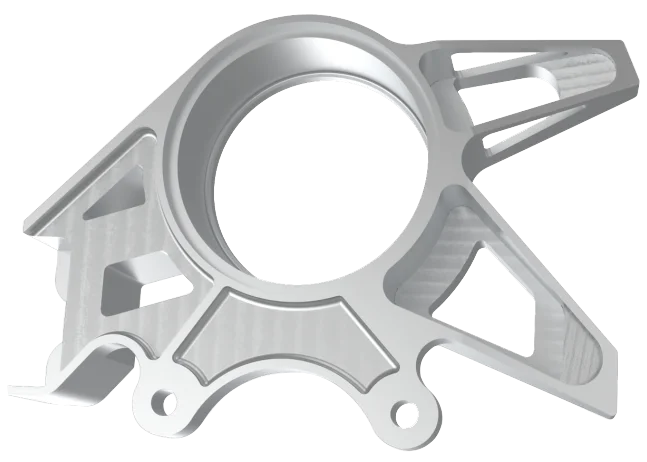
CNC milled aluminum precision part with complex geometry and multiple machining features

Custom Quality Parts By Aria

Send your specs. We’ll get back with a quote in 12 hours.

Scroll to Top