

 EU
EUMetals are everywhere in manufacturing. CNC machined parts, injection mold tooling, structural frames, fasteners. Every project starts with one question: which metal should I use?
This guide covers the major types of metals, their key properties, and where each one works best. Whether you are comparing steel to aluminum or evaluating titanium for a lightweight assembly, the goal is to help you pick the right material faster.
What Are Metals?
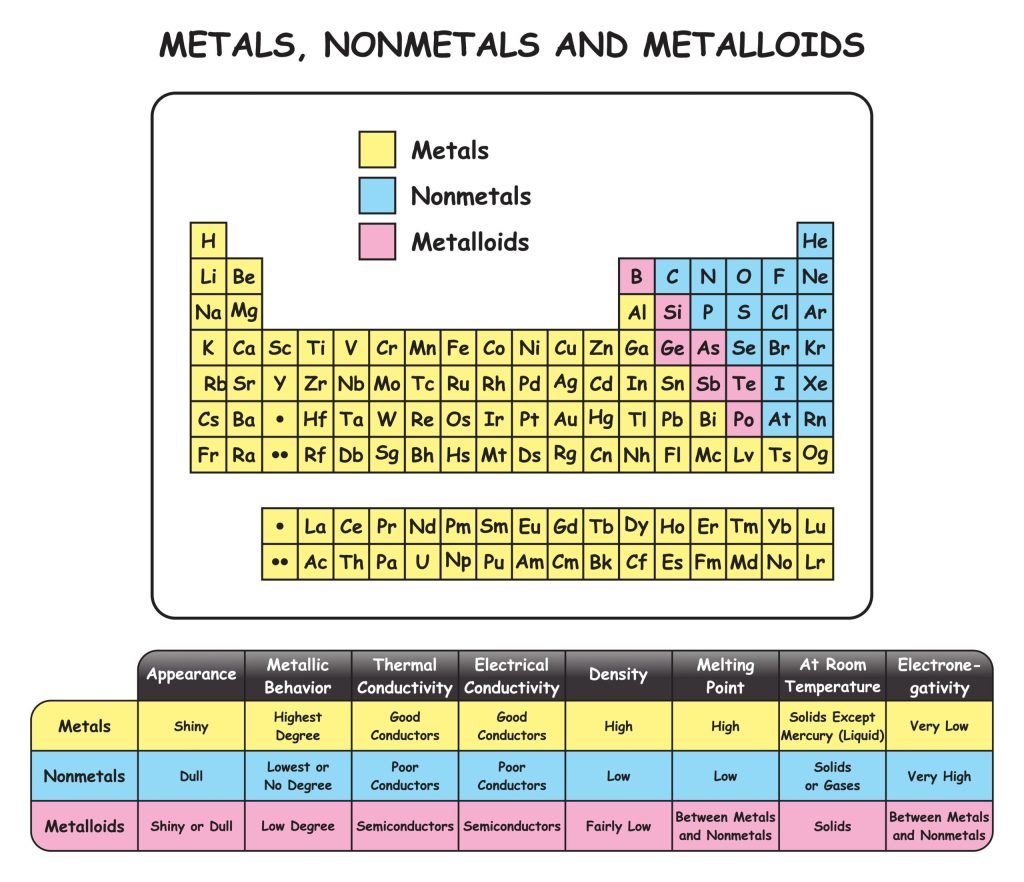
Metals are elements that conduct heat and electricity, can be shaped under force, and hold up under mechanical stress. These properties make metals the primary material group in manufacturing, construction, and electronics.
Pure Metals vs. Metal Alloys
Pure Metals: A pure metal contains only one element. Copper, aluminum, and gold are common examples. Pure metals offer excellent conductivity and chemical stability. But most are too soft or too weak for structural parts on their own.
Metal Alloys: An alloy is a mix of a base metal with one or more other elements. Steel is iron plus carbon. Brass is copper plus zinc. Adding these elements changes the internal structure of the metal. The result is higher strength, better hardness, and improved resistance to wear or corrosion.
Most metals used in engineering and manufacturing are alloys, not pure metals.
Four Core Dimensions of Metal Classification
Metals are grouped in several ways. The most practical breakdown for manufacturing uses four categories based on composition and iron content.
Ferrous Metals
Ferrous metals contain iron as the main element. Steel and cast iron are the most common examples. They offer high tensile strength and are often magnetic. The main drawback is corrosion: most ferrous metals rust without protective coatings or alloying elements like chromium.
Non-Ferrous Metals
Non-ferrous metals contain no iron. Aluminum, copper, titanium, and zinc fall into this group. They are typically lighter, naturally corrosion-resistant, and non-magnetic. Many also offer excellent thermal or electrical conductivity.
Metal Alloys
An alloy combines two or more elements to improve performance. Strictly speaking, steel is an alloy too. But in manufacturing, the term “alloy” often refers to non-ferrous combinations like brass (copper + zinc) or bronze (copper + tin). These alloys are valued for low friction, wear resistance, and good machinability.
Precious Metals
Precious metals include gold, silver, and platinum. They resist oxidation, conduct electricity well, and hold high economic value. In manufacturing, they appear in connectors, medical devices, and specialized coatings rather than structural parts.
Different Types of Metals and Their Applications
Aluminum (Al)
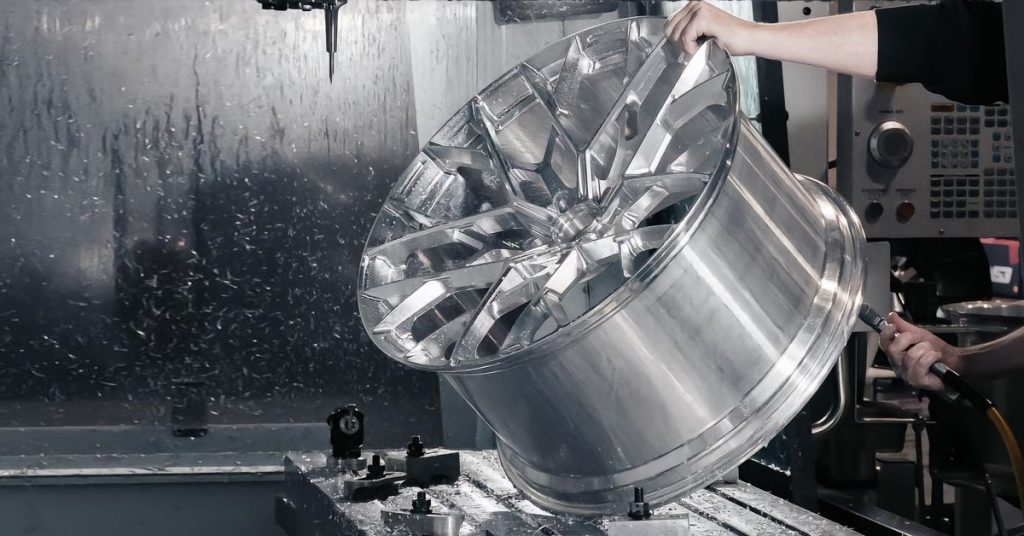
Aluminum is a lightweight, non-ferrous metal that weighs about one-third as much as steel. It resists corrosion naturally by forming a thin oxide layer on its surface. It machines well, welds easily, and conducts heat efficiently.
These properties make it one of the most common metals in CNC machining, aerospace frames, automotive panels, heat sinks, and electronic enclosures. Common grades include 6061 for general use and 7075 for high-strength applications.
Brass
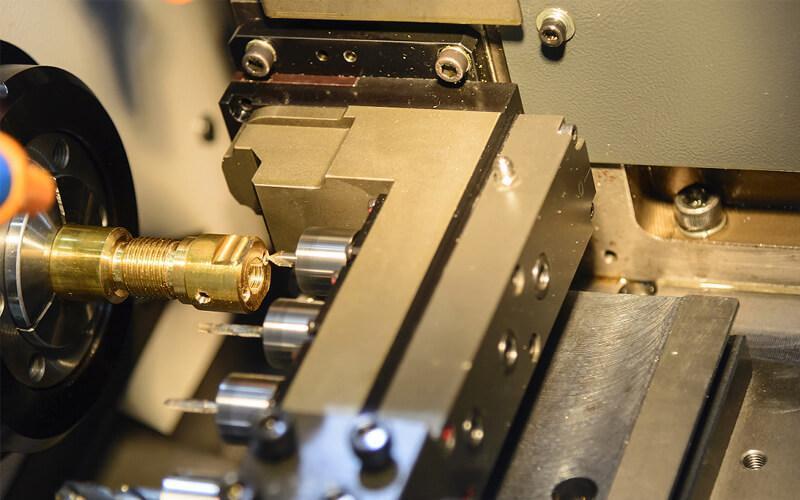
Brass is an alloy of copper and zinc. It is one of the easiest metals to machine, which makes it a popular choice for high-volume turned parts like valves, plumbing fittings, and electrical terminals. It has low friction, does not spark on impact, and holds up well against corrosion.
Bronze
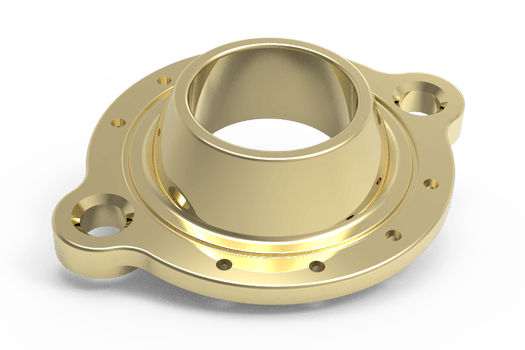
Bronze is an alloy of copper and tin. It handles saltwater better than most metals and offers low metal-on-metal friction. These traits make it a standard material for marine propellers, sleeve bushings, bearings, and heavy-duty gears where parts rotate or slide under load.
Chromium (Cr)
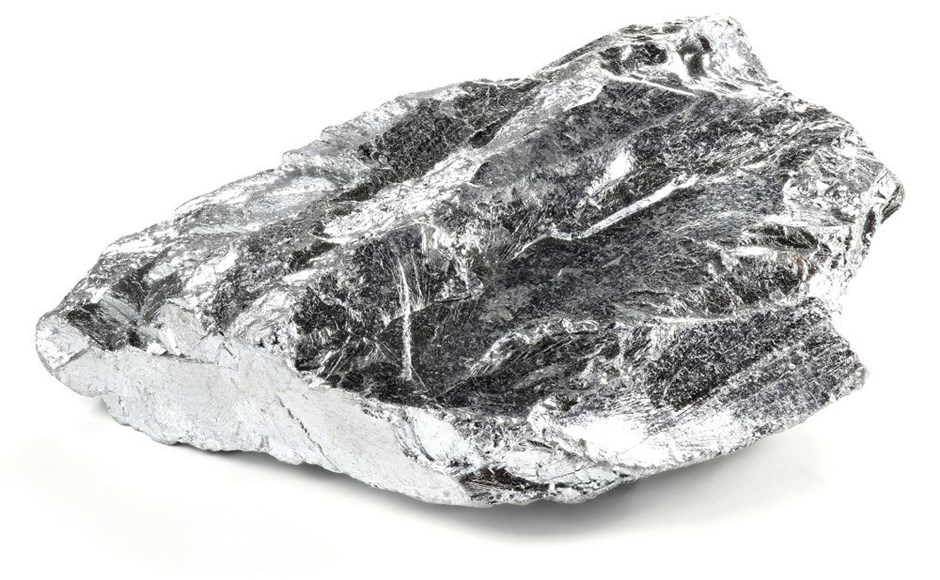
Chromium is hard, brittle, and highly resistant to tarnishing. It is rarely used as a structural metal on its own. Its main value is as an alloying element in stainless steel and as a surface finish. Chrome plating gives parts a mirror-like appearance along with improved hardness and wear resistance, which is why it appears on hydraulic cylinders, mold surfaces, and automotive trim.
Copper (Cu)
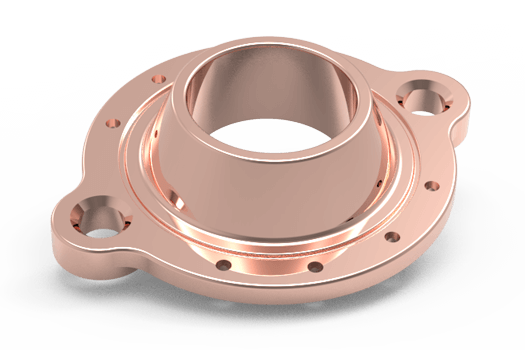
Copper has the highest electrical and thermal conductivity of any common engineering metal. It is soft, easy to form, and naturally antimicrobial. These qualities make it essential for electrical wiring, printed circuit boards, heat exchangers, and plumbing systems. The tradeoff is low mechanical strength compared to steel or aluminum.
Gold (Au)
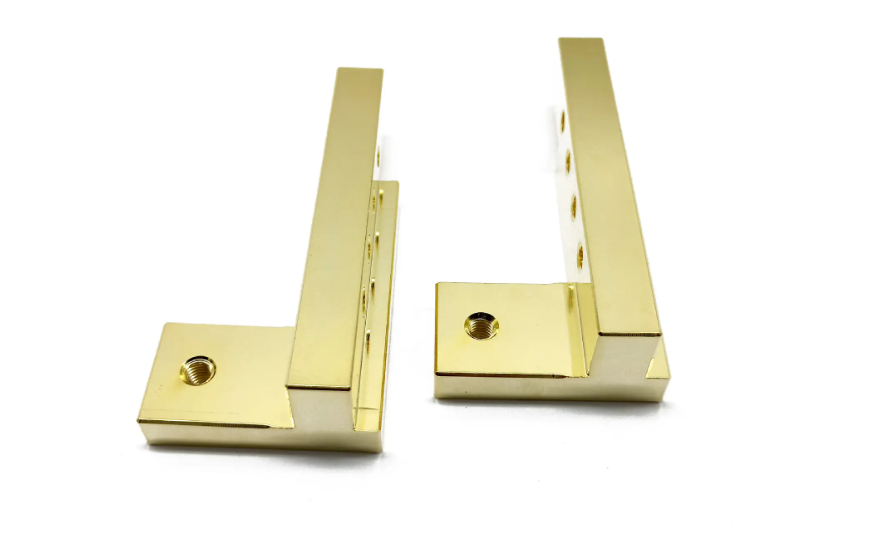
Gold does not oxidize or tarnish under any normal condition. It is extremely ductile and conducts electricity well. In manufacturing, gold is not used for structural parts. Its role is in thin coatings and wire bonding for microchips, high-reliability connectors, satellite components, and medical devices where long-term signal integrity matters.
Iron (Fe)
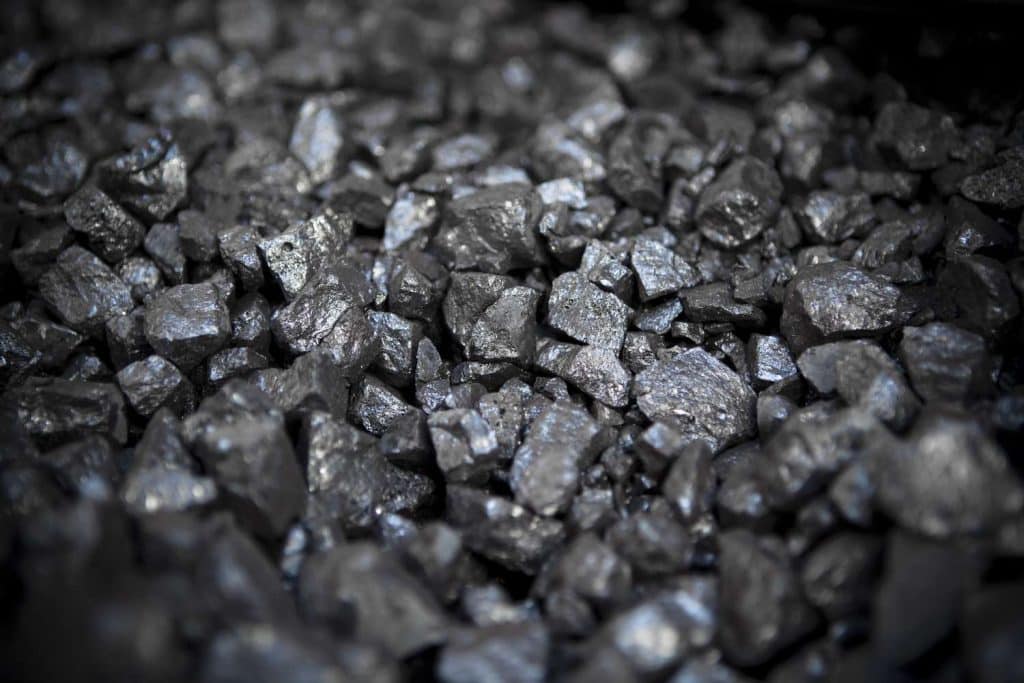
Iron is the base element for all ferrous metals. Pure iron is too soft for most uses, but its two main forms serve different roles. Cast iron (high carbon) absorbs vibration well and handles compression, making it common in engine blocks and machine bases. Wrought iron (low carbon) is more ductile and easier to forge, which is why it appears in ornamental gates and railings.
Lead (Pb)
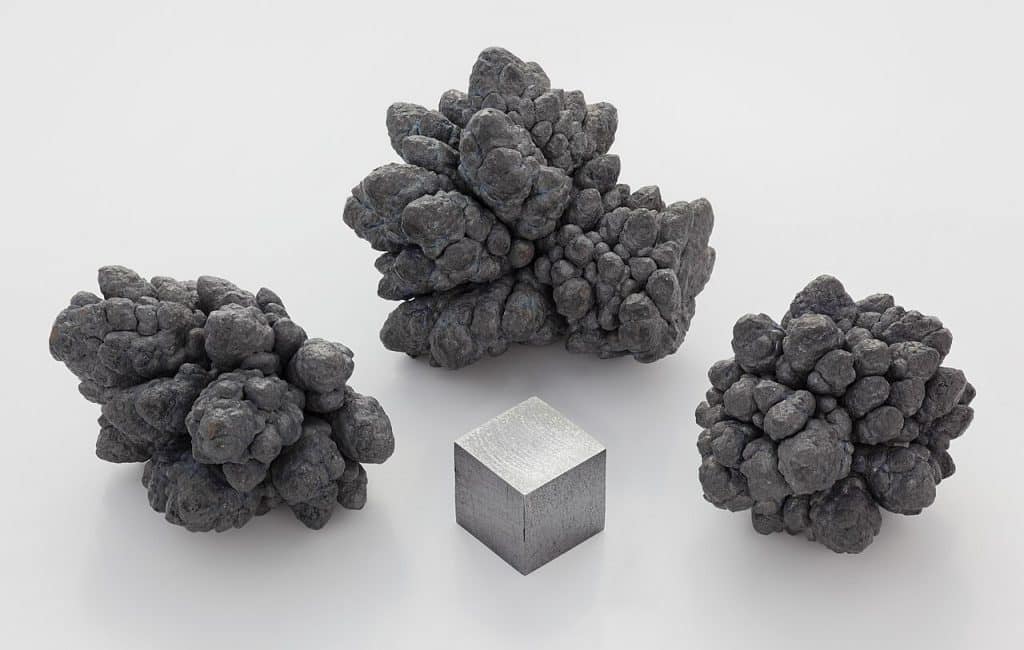
Lead is dense, soft, and has a low melting point of 327°C. It absorbs radiation and sound effectively, which keeps it essential for radiation shielding in medical and nuclear facilities, battery plates, and soundproofing panels. Environmental regulations have reduced its use in consumer products, but industrial demand remains steady.
Magnesium (Mg)
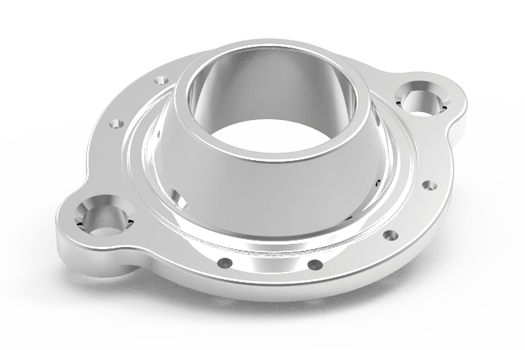
Magnesium is the lightest structural metal available, about 35% lighter than aluminum and 75% lighter than steel. It machines quickly and produces an excellent surface finish. Die-cast magnesium is common in laptop housings, camera bodies, automotive steering columns, and drone frames.
The main concerns are flammability during machining (fine chips can ignite) and lower corrosion resistance than aluminum. Proper coolant management and surface treatment solve both issues in production.
Nickel (Ni)
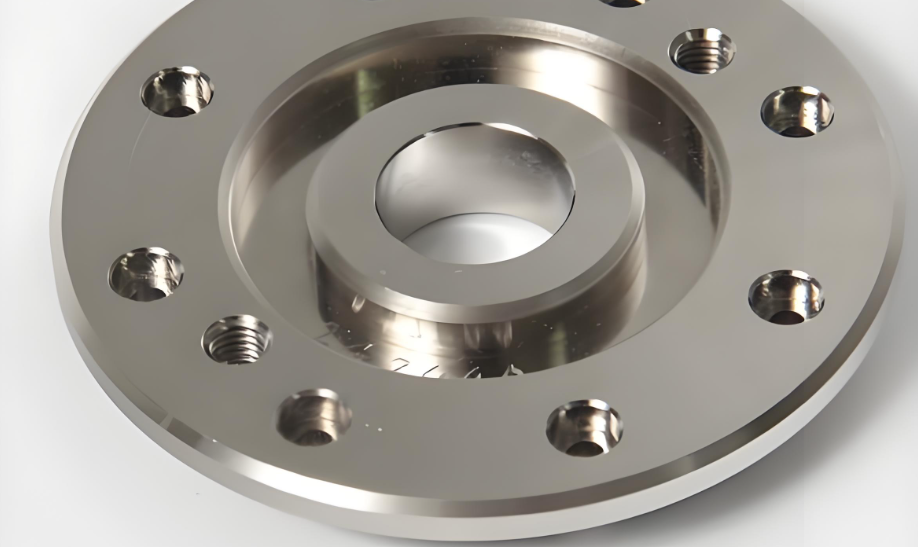
Nickel performs well at high temperatures where most metals lose strength. Stainless steel contains 8 to 10% nickel in most austenitic grades, and nickel-based superalloys operate in gas turbines above 1000°C. It also serves as a key material in electroplating and battery components.
Platinum (Pt)
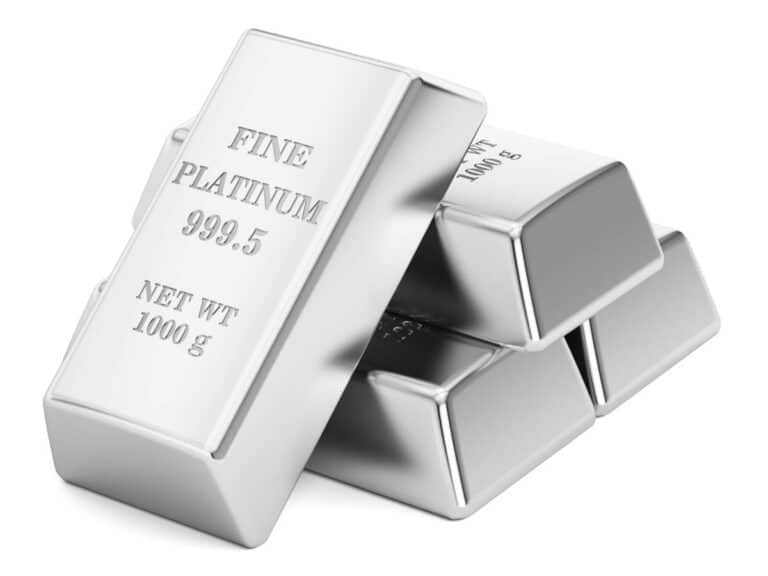
Platinum is dense, chemically inert, and melts at 1768°C. Its most important industrial property is catalytic activity. It speeds up chemical reactions without being consumed, which is why it appears in automotive catalytic converters, petroleum refining catalysts, and laboratory crucibles.
Silver (Ag)
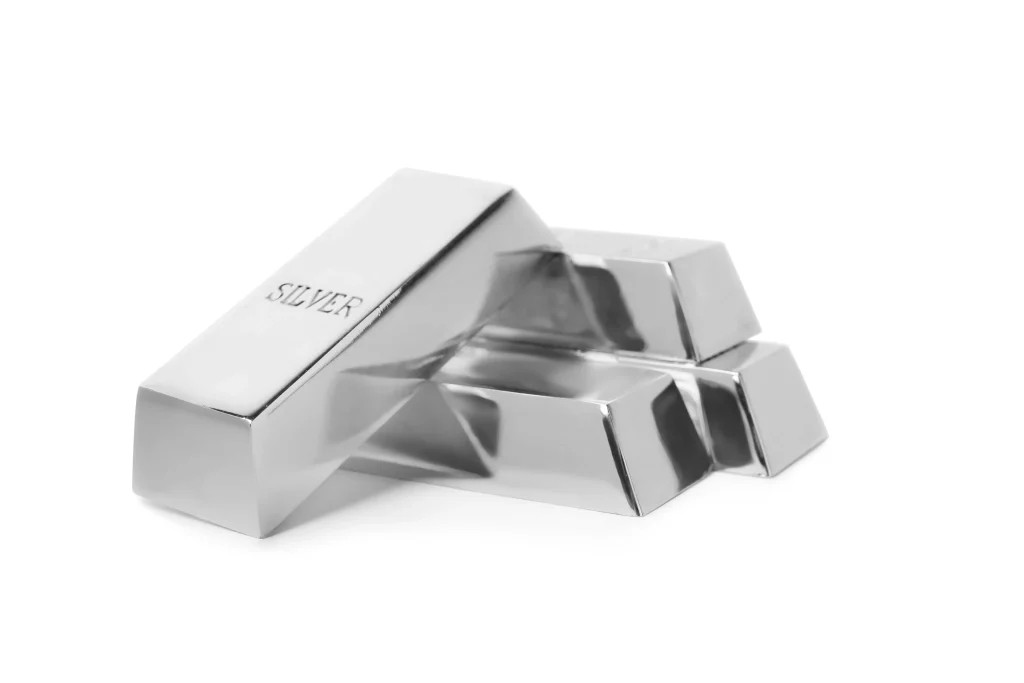
Silver has the highest electrical conductivity, thermal conductivity, and reflectivity of any metal. It is too expensive and too soft for structural use, but it performs well in thin-film applications like solar cells, high-performance electrical contacts, solder alloys, and antimicrobial medical coatings.
Stainless Steel
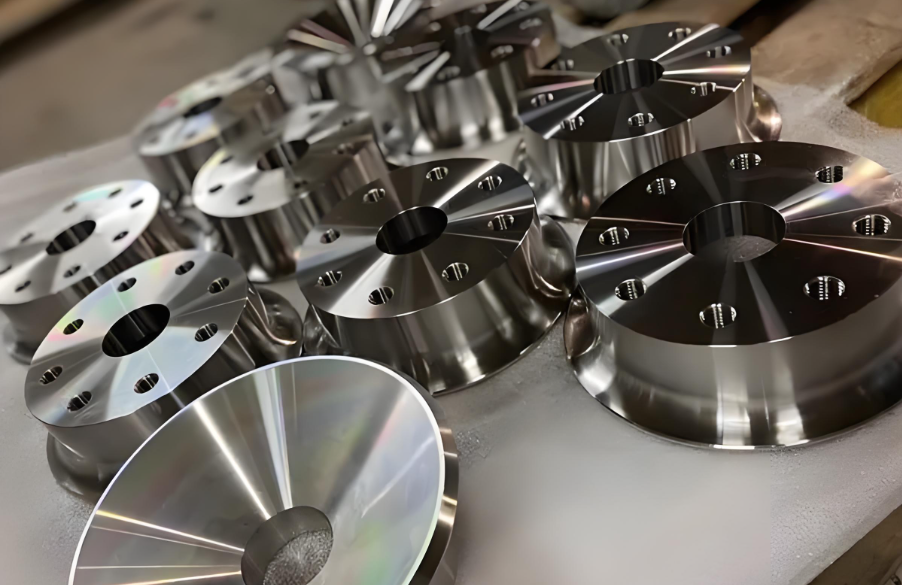
Stainless steel is an iron-based alloy with at least 10.5% chromium. The chromium forms a passive oxide layer on the surface that prevents rust and regenerates if scratched. Grade 304 is the most common general-purpose option.
Grade 316 adds molybdenum for better resistance to chemicals and saltwater. You will find stainless steel in medical instruments, food processing equipment, chemical vessels, and architectural fittings.
Steel (Carbon Steel)
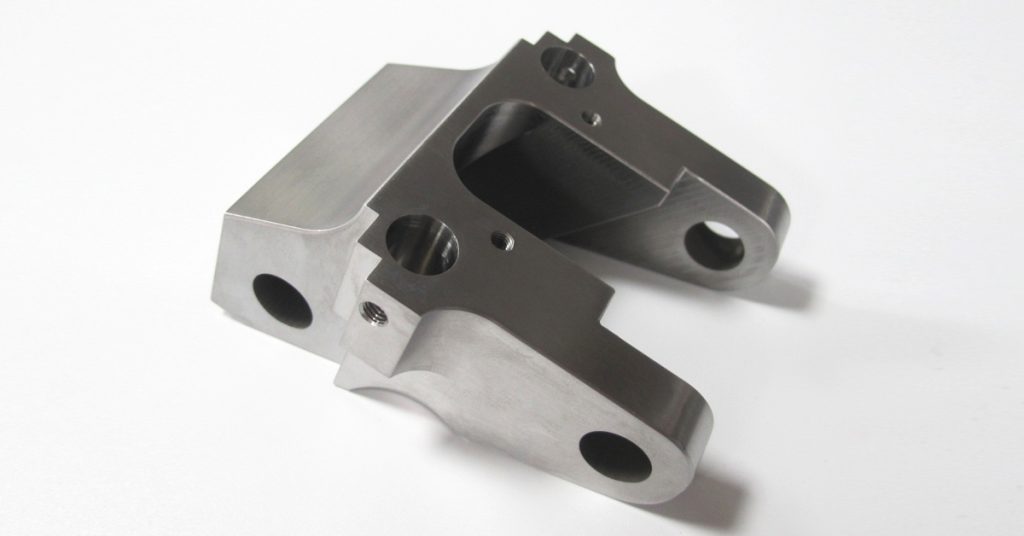
Carbon steel is an alloy of iron and carbon and the most widely used structural metal in the world. Low carbon (mild steel) is easy to form and weld. Medium carbon balances strength and ductility. High carbon provides maximum hardness but is more brittle. Structural beams, automotive frames, bridges, pipelines, and fasteners all rely on carbon steel.
Tin (Sn)
Tin is soft, has a low melting point, and resists oxidation. It is not strong enough for structural parts on its own. Its main roles are as a protective coating for steel food cans and as a component in alloys. Tin combined with copper makes bronze. Tin combined with silver or other metals makes lead-free solder for electronics assembly.
Titanium (Ti)
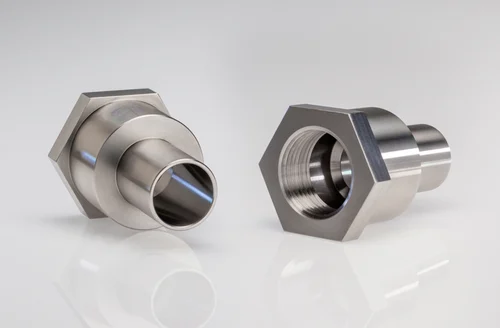
Titanium offers strength comparable to steel at roughly half the weight. Its density is about 4.5 g/cm³ compared to 7.8 g/cm³ for steel. It resists corrosion in seawater, chlorine, and most acids, and it is biocompatible, meaning the human body does not reject it. That combination puts titanium in jet engine components, aerospace structures, and medical implants like hip and knee joints. The main drawback is cost. Raw material and machining are significantly more expensive than steel or aluminum.
Tool Steel
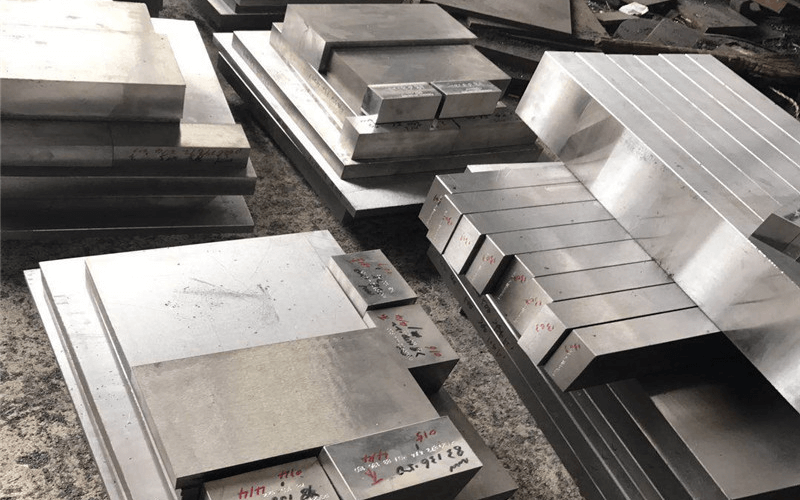
Tool steel is a group of high-carbon, high-alloy steels engineered to resist wear, heat, and deformation under heavy loads. Different series serve different jobs. D2 is an air-hardened steel used for stamping dies and cutting blades.
H13 handles high temperatures and is the standard choice for injection mold cores and die-casting dies. M2 is a high-speed steel used for drill bits and milling cutters. Tool steels are harder to machine than carbon steel or aluminum, but their durability under repeated stress makes them essential for tooling and mold work.
Tungsten (W)
Tungsten has the highest melting point of any metal at 3422°C and extreme hardness. Pure tungsten is heavy and difficult to machine, but tungsten carbide (a compound with carbon) is the standard material for CNC cutting tool inserts. It also appears in furnace heating elements, TIG welding electrodes, and aerospace nozzle components.
Zinc (Zn)
Zinc corrodes preferentially when paired with steel, which is why it is used as a sacrificial coating in galvanizing. It also has a low melting point that makes it well-suited for die casting. Zinc die-cast parts are dimensionally accurate and cost-effective at high volumes, commonly seen in automotive brackets, enclosures, and hardware fittings.
How to Choose the Right Metal for Your Project
Every metal involves tradeoffs. Stronger is usually heavier. Corrosion-resistant is usually more expensive. Easy to machine does not always mean easy to weld. The right choice depends on what matters most for your specific part.
Here are the four dimensions that drive most metal selection decisions.
Strength vs. Weight
If the part carries heavy loads and weight does not matter, carbon steel is usually the most cost-effective option. If weight is critical, aluminum is the first alternative. It offers good strength at one-third the weight of steel. For extreme cases where both high strength and low weight are required, titanium is the best performer, but at a much higher cost.
A simple rule: start with steel. Move to aluminum if weight is a constraint. Move to titanium only if aluminum is not strong enough.
Corrosion and Environmental Resistance
Carbon steel rusts. If your part is exposed to moisture, chemicals, or salt spray, you have two paths. One is to use carbon steel with a protective finish like galvanizing, powder coating, or black oxide. The other is to choose a naturally corrosion-resistant metal like stainless steel, bronze, or titanium and skip the secondary treatment.
The decision often comes down to volume and lifecycle cost. Coated carbon steel is cheaper per part but adds a processing step. Stainless steel costs more upfront but needs no post-treatment.
Machinability and Weldability
Some metals cut fast and go easy on tooling. Brass (C360) and aluminum (6061) allow high feed rates with minimal tool wear. That means lower per-part cost on CNC jobs.
Harder materials like stainless steel, titanium, and nickel alloys require slower cutting speeds, rigid setups, and specialized tooling. Machining time goes up. Tool cost goes up. If your design allows it, choosing a more machinable metal can reduce total manufacturing cost significantly.
Weldability matters too. Mild steel welds easily. Aluminum requires TIG or MIG with shielding gas. Titanium demands an inert atmosphere. Factor welding requirements into your design early, not after quoting.
Cost and Availability
Raw material price is only part of the equation. Availability affects lead time. Common alloys like 6061 aluminum, 304 stainless steel, and mild steel are stocked globally in standard bar, plate, and tube profiles. Specifying these standard materials keeps procurement fast and pricing competitive.
Exotic alloys like titanium, Inconel, or tungsten carbide cost more and may require longer lead times. If your design can work with a standard alloy, it almost always should.
Quick Comparison Table: Types of Metals at a Glance
| Metal | Strength-to-Weight | Machinability | Relative Cost | Primary Applications |
| Aluminum 6061 | High | Excellent | Low | Aerospace, electronics, heat sinks |
| Aluminum 7075 | Excellent | Moderate | Moderate | Aerospace structures, high-load parts |
| Brass C360 | Moderate | Excellent | Moderate | Valves, fittings, terminals |
| Bronze | Moderate | Moderate | Moderate | Bearings, bushings, marine hardware |
| Carbon Steel (Mild) | Moderate | High | Low | Structural frames, pipelines |
| Carbon Steel (High) | High | Moderate | Low | Springs, cutting tools, wear parts |
| Copper | Low | High | Moderate | Wiring, PCBs, heat exchangers |
| Magnesium | Excellent | Excellent | Moderate | Laptop housings, drone frames |
| Nickel Alloys | High | Low | High | Gas turbines, chemical processing |
| Stainless Steel 304 | High | Moderate | Moderate | Food equipment, medical devices |
| Stainless Steel 316 | High | Moderate | High | Marine, chemical vessels |
| Titanium Gr. 5 | Excellent | Low | Very High | Aerospace, medical implants |
| Tool Steel (H13) | High | Low | High | Injection molds, die-casting dies |
| Tungsten Carbide | High | Low | High | CNC cutting inserts, wear parts |
| Zinc | Low | High | Low | Die-cast enclosures, galvanizing |
