

 EU
EUBlack oxide coating is a chemical conversion coating that turns a metal surface into black iron oxide, improving corrosion resistance, wear performance, and appearance on ferrous metals and some non-ferrous parts. Used across automotive parts, tools, fasteners, hardware, and decorative components, it remains a practical finish when engineers, product designers, OEMs, and procurement managers need machined parts that look better, resist rust more effectively, and stay cost-efficient in production.
This guide explains how the black oxide coating process works, the main coating types, which metals it can be applied to, where it fits in precision machining, and the key tradeoffs to evaluate before specifying it. You’ll also find the advantages and disadvantages, common testing methods, and design considerations that help determine whether black oxide is the right surface treatment for your part.
What is Black Oxide Coating?
Black oxide coating is part of the conversion coating family, characterized by using chemical reactions to create the coating. It’s known as ‘black oxide‘ because it turns the color of any metal surface to a black or matte finish. As a type of metal finishing, black oxide coating not only improves the appearance but also enhances the durability of metal surfaces.
Creating a black oxide finish involves immersing machined metal components into a base solution. The chemical reaction transforms the iron present on the surface of the metal into magnetite, a compound that lends the metal a black hue.
The variety of metals suitable for black oxide coating ranges from ferrous metals like steel and iron to stainless steel, powdered metals, copper, and silver solder, to zinc and more.
How Does Black Oxide Work?
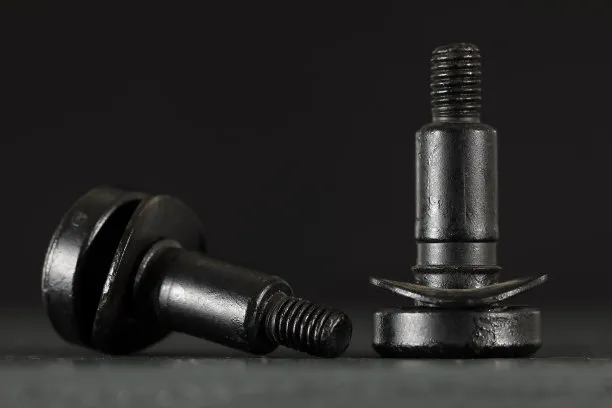
You’re probably thinking, “So, how does this work?” The black oxide coating process involves immersing metal parts in a series of chemical baths to achieve the desired finish. Let’s break it down step by step.
Step 1: Alkaline Cleaning
Like you wouldn’t paint a dirty canvas, black oxide coating starts with thorough surface preparation. The metal part to be coated undergoes a thorough cleaning in an alkaline solution. This step gets rid of any accumulated grease, oil, or dirt. Think of it as the metal part taking a deep cleansing bath to prepare for its makeover.
Step 2: Rinsing in Water
Next, the freshly cleaned part needs a good rinse. It’s washed with water to remove any residual cleaning agent from its surface. This step ensures that the black oxide coating will directly contact the clean metal, paving the way for a smooth, even finish.
Step 3: Black Oxide
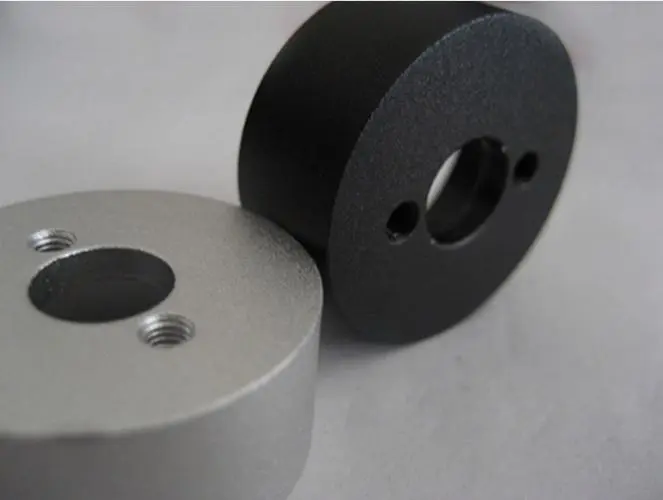
Now we’re getting to the main event. The rinsed metal part is immersed in a hot bath of chemical solution at an elevated temperature of 141 °C (286 °F) as part of the hot black oxide process. This is where the science happens, because black oxide is a chemical conversion process rather than a plating or coating process. The chemical process creates a layer of magnetite (Fe3O4) at the part’s surface on the base material through surface reactions, not a thicker layer or thick coating.
Step 4: Rinsed in Water Once Again
After the part has been blackened, it needs another rinse. It’s washed again with water to remove any remaining black oxide solution. This gives a clean, unblemished finish.
Step 5: After-Finish
Finally, we arrive at the last stage of the process: a post conversion treatment. The post conversion treatment applied to the surface may be oil, wax, or a lacquer finish to complete the part. This step affects the final look, from matte to gloss, and supports long lasting protection. Black oxide on its own is not highly corrosion resistant, so post-treatment with oil, wax, or lacquer significantly improves corrosion resistance; sometimes a lacquer finish is used when more corrosion resistant performance is needed.
Types of Black Oxide Finish
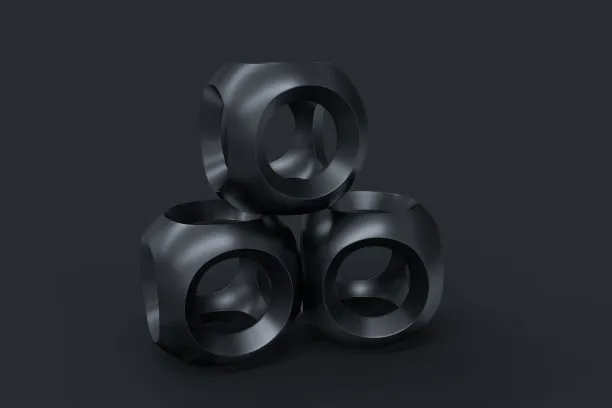
Now, let’s talk about flavors. Not ice cream, but of black oxide finishes! Like ice cream, black oxide comes in different types: hot, mid-temperature, and cold. Each has its unique perks and quirks. Let’s dive into each.
Hot Black Oxide Finish Process
Consider this the classic flavor. It’s the go-to method, and it involves dipping metal parts into a bath of black oxide solution heated to 141 °C (286 °F). Sodium hydroxide, or caustic soda, is a key chemical in the hot black oxide bath. Picture a warm bath but for metals. The result? A smooth, uniform, true black finish that’s as durable as pleasing to the eye.
Mid-Temperature Black Oxide
This is the middle ground. It works at a cozy 200 degrees Fahrenheit, making it a more environmentally conscious choice. Mid-temperature formulas are often designed specifically for stainless steel to resist surface reactions, and they’re also used for black oxide other metals and other materials beyond standard ferrous alloys while avoiding caustic fumes. It’s like giving your metal parts a relaxing spa day. You get a finish as good as the hot process but with less energy and less waste produced.
Cold Black Oxide Process
Lastly, we have the speedy option. The cold process operates at room temperature, about 20 °C to 30 °C, making it quicker. It’s perfect for pieces that need a touch of black but can’t stand the heat. Although the finish isn’t as durable as the hot or mid-temperature process, cold bluing is mainly a touch-up or decorative option, and the cold process produces a softer finish than hot or mid-temperature black oxide.
So, which black oxide process you choose depends on what you need. It’s like picking an ice cream flavor – you consider the occasion, your mood, and your preferences. And just like that, you get the perfect black oxide finish.
What Metals Can Be Black Oxide?
Black oxide coating is an ideal match for ferrous materials like steel and iron, and it’s often applied by manufacturers post the sheet metal fabrication procedures.
It’s particularly beneficial for non-ferrous metal alloys, but it doesn’t stop there – it’s also used on various other metal parts. The metals that can be treated with a black oxide finish include:
Steel:
Steel, a common ferrous material, can be coated perfectly with black oxide, resulting in a strong, dark, and durable finish that enhances its natural toughness.
Stainless Steel:
Black oxide stainless steel provides a protective layer that offers corrosion protection for parts, it is not as durable or long-lasting as other forms of stainless steel surface treatment, such as electropolishing or physical vapor deposition (PVD) coatings.
Iron:
With its robust nature, iron also takes well to the black oxide process, and cast iron gets the same stylish, protective layer in return. And it’s not just about the heavyweights.
Zinc:
A black oxide coating can be applied to zinc parts to create an ebonol z finish. This surface treatment is commonly used for hardware, automotive parts and decorative items.
Copper:
Copper, and its alloy buddies, brass and bronze, can also join the black oxide party, with copper parts treated to create Ebonol C through a process tailored for custom parts and compatible with different materials.
Nickel:
Like its metal counterparts, nickel can receive a black oxide treatment, enhancing its natural luster and resistance. This process further ups the ante on its durability and aesthetic appeal.
Brass:
Brass isn’t left out of the black oxide party either. This golden alloy also benefits from the protective black oxide layer, elevating its visual appeal and giving it an extra shield against corrosion and wear.
Applications Of Black Oxide Finish For Precision Machined Projects
Now, you might be wondering, where is black oxide finish used? Let’s unpack this.
Hardware Components
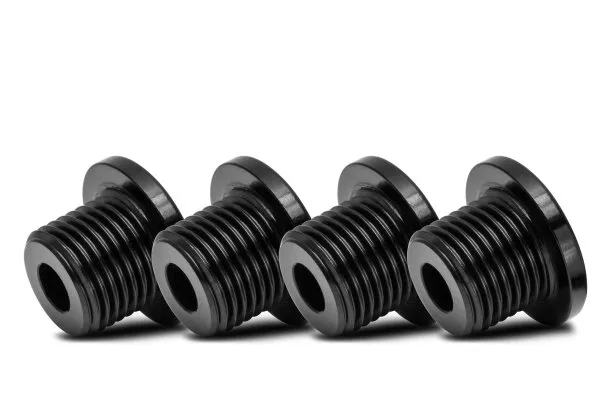
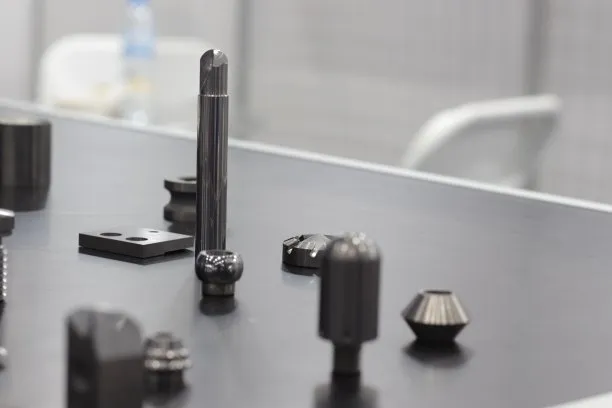
The little things matter; for hardware components like screws, springs, and other hardware, black oxide coating provides a striking, durable finish. But it’s not just about looks. The coating protects these parts from rust and wear, can improve grip on fasteners and hand tools, and helps industrial tools last longer and perform better.
Precision Instruments and Tools
Look into a lab or a workshop, and you’ll see black oxide in action. It’s used on instruments and tools to reduce glare, including stainless steel in surgical instruments, making it easier for users to focus on their work, even under bright lights. This also helps components like uv and ir sensors and ir sensors in precision equipment where minimal light reflection matters.
Automotive Industry
Here, black oxide is the unseen hero. Critical parts like gears and bearings wear this coating as a badge of honor, enhancing their performance by reducing friction and improving wear resistance.
Firearms
In the world of firearms, black oxide is a boon for firearm components, and this same conversion finish is widely known as gun bluing. It reduces reflectivity on gun barrels and other parts, providing a non-reflective surface for firearms and military use while adding a layer of rust resistance.
Decorative Applications
The deep, dark finish of black oxide is a popular choice for metal furnishings and jewelry, enhancing their visual appeal without compromising durability.
So, whether for making things work better, last longer, or look good, black oxide finish has found its way into a range of precision machined projects.
Advantages and Disadvantages of Black Oxide Finish
Black oxide is not without its pros and cons, much like any other finish. Let’s dissect the positives and challenges related to the black oxide finish.
Pros
Better Protection Against Corrosion: A significant upside of the black oxide finish is its superior corrosion resistance and enhanced durability. It forms a defensive layer, giving your metal components the resilience they need to resist wear and tear over time. Additionally, black oxide finish provides mild corrosion resistance, which is much better after sealing than on bare steel alone and is sufficient for many applications.
Reduced Light Reflection: Black oxide is your best bet if you want a non-reflective surface. It’s ideal for optical devices or other applications where glare can be a nuisance.
Dimensional Stability: The black oxide process doesn’t alter the dimensions of your metal part, as the coating is ultra-thin with minimal buildup. The coating thickness is typically between one to two micrometres, so part dimensions stay consistent and tight tolerances are maintained.
Aesthetic Appeal: The sleek, dark finish of black oxide gives your metal parts a polished, professional look.
Primer for Additional Finishes: Black oxide acts as an excellent primer if you want to add other surface finishes on to your part, and if you’re wondering whether black oxide coating expensive is a fair concern, the answer is generally no because it is usually more affordable than electroplating, powder coating, and painting.
Cons
Not as Durable as Other Finishes: Although black oxide offers mild corrosion resistance, it doesn’t perform as well as some other finishes, like galvanization, and without a sealer it can protect little more than a bare steel part. Damaged black oxide coatings can also be difficult to repair.
Requires Additional Sealing: Black oxide often needs an oil or wax finish to get the best out of its corrosion resistance, and sometimes a lacquer finish is used for demanding environments. This means an extra step in your process.
Not Suitable for High-Temperature Applications:It will degrade if exposed to extreme high temperatures.
**Color Variability:**May appear uneven if not properly applied.
Limited to Certain Metals: it Works best on steel and iron; less effective on aluminum or non-ferrous metals.
Testing Options for Black Oxide Coating
Now, you might be wondering, where is black oxide finish used? Let’s unpack this.
Salt Spray Test:
Salt can be a silent enemy to metal. So, this test is designed to understand how well the black oxide coatings can withstand corrosion from a salt-filled environment. It’s a stringent test where a salt solution is sprayed over the coating, and the time taken for any signs of corrosion to appear is measured. The longer the coating resists, the better its corrosion resistance.
Abrasion Resistance Test:
Life can get rough, and so can the treatment of metals in various applications. The Abrasion Resistance Test assesses how well the black oxide finish can hold its own against wear and tear. This test involves using an abrasive material to wear away the surface, then evaluating how well the coating holds up.
Adhesion Test:
Just how well is the coating sticking to your metal? The Adhesion Test helps answer this question. The coating is subjected to an attempt to peel or remove it, and the force it takes indicates its adhesive strength.
Hardness Test:
The strength of a coating can often be measured by its hardness. In the hardness test, a specific load is applied on the coated surface using a hardness tester, such as a durometer, and the amount the coating deforms under this load gives a measure of its hardness.
Coating Thickness Assessment:
The perfect balance between lean and robust—this is the essence of the coating thickness test. It employs a specialized instrument to accurately gauge the coating’s depth, confirming it’s just right for your specific demands, whether aesthetic, hardness, or resistance to corrosion.
These tests act as guardians of quality, verifying that your chosen black oxide finish will rise to the occasion. It’s essential to bear in mind that the value of a coating extends beyond its superficial presence—it’s all about how it stands up to challenging conditions.
Design Considerations for Black Oxide Parts
Just as a winning recipe needs careful thought and selection of ingredients, designing black oxide parts requires a keen focus on several key factors. Let’s walk through them:
Coat Thickness
This is all about striking the perfect balance. You want a coating that’s robust enough to provide protection yet thin enough to retain the part’s functionality and appearance. The coating thickness must be meticulously considered, as it impacts durability, corrosion resistance, and the part’s ability to fit into its designated space.
Desired Finished Appearance
What do you want the end product to look like? That’s an important question because the black oxide process can produce a range of finishes, from matte to glossy, and the color is often black or dark bluish black depending on the post conversion treatment. The finish selected often depends on aesthetic preferences or specific application requirements.
Material Compatibility
This is an essential factor, as not all metals take to black oxide similarly. Metals like steel, stainless steel, and copper alloys can successfully accept black oxide, but others might not be as receptive. Knowing your material is crucial as it helps decide whether black oxide is an apt fit for your project.
Duration of Protection
The strength of a coating can often be measured by its hardness. In the hardness test, a specific load is applied on the coated surface using a hardness tester, such as a durometer, and the amount the coating deforms under this load gives a measure of its hardness.
Coating Thickness Assessment:
How many calendar pages would you like the coating to stick around for? A black oxide finish’s life expectancy isn’t etched in stone. It’s influenced less by coating girth than by the environment it’s exposed to and, especially, the post-conversion treatment—oil, wax, or lacquer. On its own, black oxide is not highly corrosion resistant and performs closer to bare steel without sealing; by contrast, red oxide is rust, while black oxide is the desired black surface state.
Understanding the length of protection you seek is a guiding light in the blueprint and application of the black oxide coating.
Final Application
Last but not least, what’s the part for? The final use of the part plays a crucial role in the design process. For instance, a thicker coat might be necessary for added durability if it’s for a high-wear application.
Conclusion
Black oxide is a flexible, adaptable finish that adds style and substance to your project. Its versatility means it can be applied to various metals, each time providing unique benefits.
Whether you need corrosion resistance, reduced glare, or a sleek black aesthetic, black oxide could be your solution. Be sure to consider specific considerations like coat thickness, desired appearance, material compatibility, and the duration of protection required.
From precision machined projects to simple nuts and bolts, black oxide could be your project’s added touch.
Next time you have a metal project, think black oxide—it might be your perfect match.
FAQs
Q: Will black oxide finish rust?
A: Black oxide doesn’t rust, but remember, it doesn’t provide a fully waterproof barrier either. This means the metal underneath can rust over time if not properly protected. A sealant or rust preventative is often used to prolong the life of the coating and underlying material.
Q: Is black oxide better than galvanized?
A: There’s no definitive answer here. It’s a matter of fit. Black oxide offers a sleek aesthetic appeal while galvanizing excels in resisting corrosion. It’s about understanding the needs of your specific project and which one will serve those needs best.
Q: What can I use instead of black oxide coating?
A: You have options! Consider zinc phosphate or manganese phosphate coatings. They also offer corrosion resistance and can be used instead of black oxide when you want a change or need different properties.
