CNC Milling vs CNC Drilling: Key Differences Explained

CNC Milling VS CNC Drilling.jpg

Share:

Table of Content

Table of Content

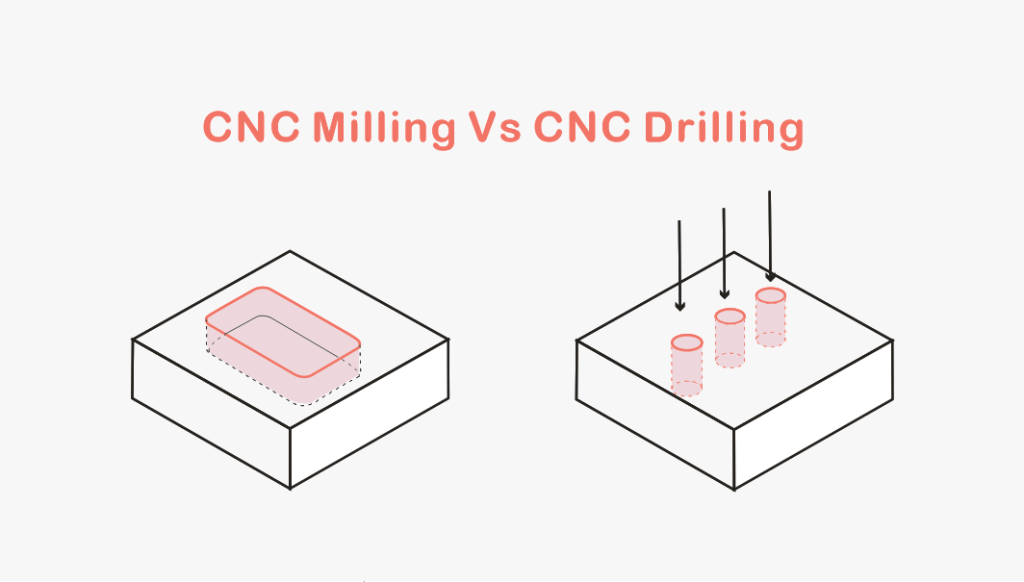
CNC milling and CNC drilling are both core processes in precision machining, but they are not interchangeable. The key difference between the two lies in how material is removed and what features each process can produce. Milling shapes complex geometries across multiple axes. Drilling creates precise holes along a single axis, nothing more.

Choosing the wrong process for a part adds unnecessary cost and time. Understanding where each process fits helps engineers and buyers make better decisions before production begins.

What Is CNC Milling?

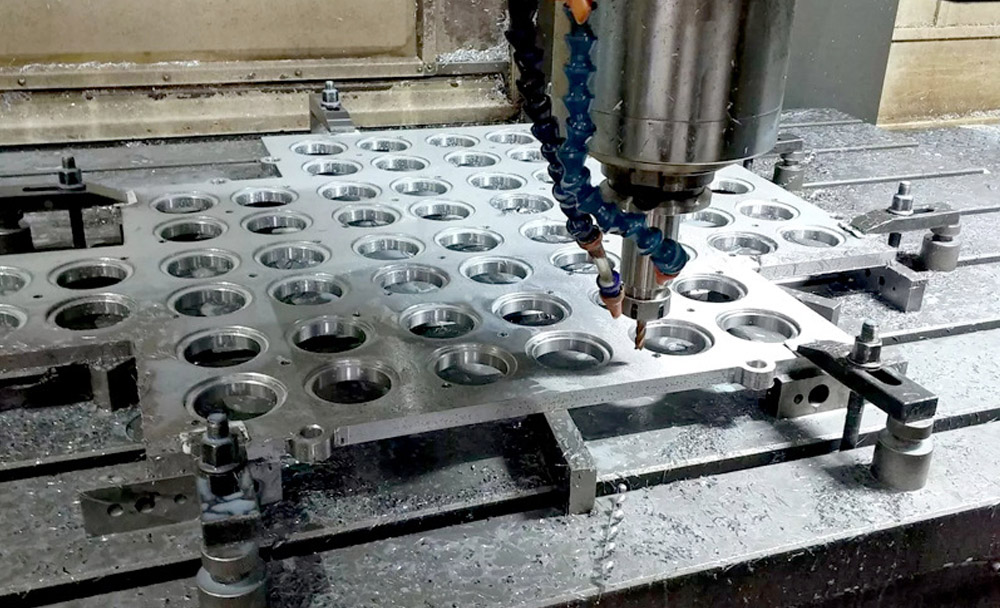
CNC Milling

CNC milling is a subtractive machining process where a rotating multi-point cutting tool removes material from a workpiece across multiple axes, typically X, Y, and Z.

Unlike drilling, the cutter moves laterally across the surface, not just straight down. This allows milling to produce flat surfaces, slots, pockets, contours, and complex 3D geometries.

Tolerances typically reach ±0.01 mm under standard conditions. CNC milling works with aluminum, steel, titanium, engineering plastics, and composites. It is widely used in aerospace, automotive, and medical device manufacturing.

What Is CNC Drilling?

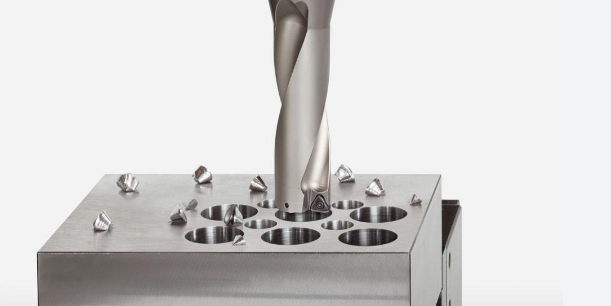
Drilling Hole

CNC drilling is a machining process that creates cylindrical holes by rotating a drill bit and feeding it axially into a workpiece along the Z-axis.

The cutting happens only at the drill tip, so drilling focuses on removing material with the tip rather than the sides of the bit. This makes drilling fast and cost-efficient for hole creation, but it also explains why drilled holes have a rougher internal surface finish than milled bores.

Standard CNC drilling tolerances range from ±0.05 mm to ±0.1 mm. For precision fits such as H7 bearing seats, a reaming or boring operation is typically required after drilling.

CNC Milling vs CNC Drilling: Key Differences

The two processes differ in tool motion, axis range, tooling, achievable precision, surface quality, cost, and the types of features they can produce. The table below summarizes the key points. Each section below explains the reasoning behind the numbers.

Tool Motion

Drilling follows a single motion path. The drill bit rotates and feeds straight down into the workpiece along the Z-axis, then retracts. On retraction, the bit generates friction heat against the hole wall, which affects surface finish and tool life in deep-hole applications.

Milling moves across X, Y, and Z simultaneously. The cutter removes material both vertically and laterally, following a programmed toolpath that can be a straight line, an arc, or a complex 3D contour.

Cutting Axes

A dedicated CNC drilling machine operates on a single axis. A CNC milling machine operates on a minimum of 3 axes. 5-axis milling adds rotational movement on the A and B axes, allowing the spindle to reach angled faces and undercuts in a single setup without repositioning the workpiece.

Tools Used

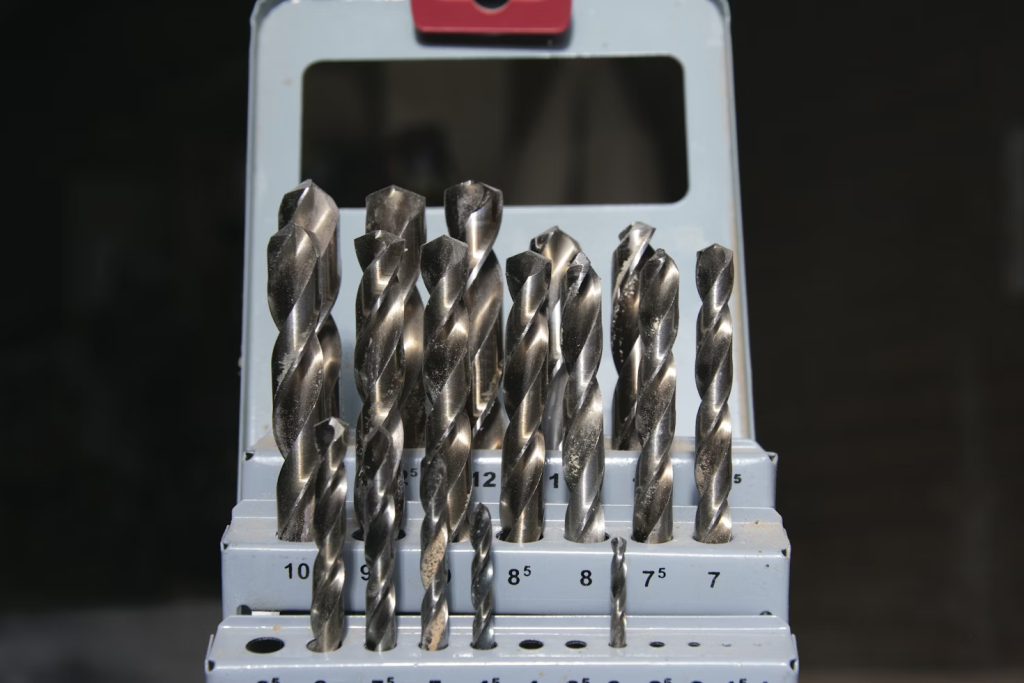
CNC tools

Drilling uses twist drill bits. The cutting edges are only at the tip. The bit diameter sets the hole diameter directly, with no flexibility. In practice, a center drill is used first to spot the hole location and prevent the drill from wandering at entry, particularly on flat or curved surfaces.

Milling uses multi-flute end mills, face mills, and ball nose cutters. These tools cut on both the tip and the sides. A single end mill can produce slots, pockets, and bores of varying widths depending on the programmed path, not the tool diameter alone.

Precision and Tolerances

Precision and Tolerances

Standard drilling holds tolerances of ±0.05 mm to ±0.1 mm. On angled or curved entry surfaces, drill bits tend to deflect at the point of contact before cutting begins. This is why center drilling or spotting is standard practice before drilling precise holes.

Milling typically achieves ±0.01 mm under standard conditions, and ±0.005 mm on well-calibrated machines. The reason is mechanical: multiple flutes share the cutting load, which reduces per-tooth force and limits tool deflection across the full feature.

Surface Finish

Drilled hole walls typically measure Ra 3.2 to 12.5 µm. The cutting action at the drill tip combines shearing with some extrusion, which leaves a relatively rough internal surface. For precision bore applications such as bearing seats or hydraulic bores, reaming or boring after drilling is standard.

Milling produces Ra 0.8 to 3.2 µm on surfaces with standard finishing passes. Finer results are achievable by adjusting feed rate, stepover, and cutter geometry.

Speed and Cost

For standard round holes, drilling is significantly faster, and drilling costs also scale with hole diameter and depth. A CNC drilling cycle for a 10 mm hole typically takes a few seconds. Producing the same hole by circular interpolation on a milling machine takes longer and requires more complex programming.

Milling has higher machine cost, longer setup time, and more demanding programming requirements. It is the right choice when part geometry demands it, not as a substitute for drilling when a round hole is all that is needed.

Applications

CNC Drilling and Milling Applications

Drilling covers bolt holes, dowel pin holes, tapped holes, and any feature that is a standard round cylinder. It handles these faster and at lower cost than any other process.

Milling covers everything else: pockets, slots, contoured surfaces, mold cavities, and bearing housings. In most real production parts, both processes appear in the same program. Drilling handles the holes. Milling handles the surrounding geometry. The two processes are not competitors on a finished part; they divide the work by feature type.

Advantages of CNC Milling and Drilling

Advantages of CNC Milling

  • Produces complex geometry in one setup. Pockets, slots, contours, and multiple hole patterns can all be machined without reclamping, reducing cumulative positioning error.
  • Achieves tight tolerances. Standard milling reaches ±0.01 mm. On well-calibrated machines, ±0.005 mm is achievable.
  • Superior surface finish. Milling produces Ra 0.8 to 3.2 µm with finishing passes, suitable for most precision applications without secondary operations.
  • Flexible hole sizing. By using circular interpolation, a milling machine can produce any hole diameter within the cutter range, not just fixed drill bit sizes.

Advantages of CNC Drilling

  • Fast cycle times. A standard drilling cycle for a 10 mm hole takes a few seconds, making it the most time-efficient method for hole production.
  • Low programming complexity. Drilling cycles use simple fixed commands, which shortens setup time and reduces programming cost.
  • Cost-effective for high volumes. For parts that require large numbers of identical holes, drilling keeps per-part cost lower than any alternative.
  • Consistent hole geometry. Diameter and depth are highly repeatable across production runs with minimal variation.

Disadvantages of CNC Milling and Drilling

Disadvantages of CNC Milling

  • Higher machine and setup cost. Milling machines carry higher capital cost, and programming complex toolpaths takes significantly more time than a drilling cycle.
  • Slower for simple holes. Using circular interpolation to produce a round hole that a drill bit could cut in seconds adds unnecessary cost and machine time.
  • Tool wear is harder to predict. Multi-flute end mills wear on both tip and side edges, making tool life monitoring more complex than for drill bits.
  • Requires skilled operators. Complex fixturing and toolpath programming demand more technical expertise than drilling.

Disadvantages of CNC Drilling

  • Limited to round holes only. Slots, pockets, flat surfaces, and any non-circular feature are outside its capability entirely.
  • Rougher internal surface finish. Drilled holes typically measure Ra 3.2 to 12.5 µm. Precision fits such as bearing seats require a reaming or boring pass after drilling.
  • Prone to wandering on angled surfaces. Without a center drill to spot the location first, drill bits tend to deflect at the point of contact on curved or angled entry surfaces.
  • Tool wear accelerates in hard materials. Titanium, Inconel, and hardened steels increase heat generation during drilling, reducing tool life and raising per-part cost.

CNC Milling vs Drilling: How to Choose them for Your Project

Choosing between the two processes comes down to one question: what features does your part require?

When need Choose CNC drilling :

  • Your part only needs standard round holes. 

Drilling is the fastest and lowest-cost method for bolt holes, dowel pin holes, and tapped holes. If round holes are the only required feature, there is no reason to use milling.

  • You are running high volumes. 

Drilling cycle times are short and programming is simple. For large production runs where the same hole pattern repeats across hundreds or thousands of parts, drilling keeps per-part cost low.

  • Hole depth is significant. 

Drilling handles deep holes efficiently. Peck drilling cycles, where the bit retracts periodically to clear chips, can reach depths that would be impractical to achieve by circular interpolation on a milling machine.

When need Choose CNC Milling:

  • Your part has features beyond round holes. 

Any slot, pocket, flat surface, contour, or non-circular opening requires milling. Drilling cannot produce these features regardless of setup.

  • Need tight tolerances holes

When a hole must be precisely located relative to a slot, an edge, or another hole, machining everything in a single milling setup eliminates the repositioning error that comes from moving a part between machines.

  • You need non-standard hole geometry. 

Oval openings, square pockets, and custom-shaped bores can only be produced by milling.

FAQS

Yes. A CNC milling machine can drill holes by mounting a twist drill bit in the spindle and feeding it axially into the workpiece, exactly the same motion a dedicated drilling machine uses.

Generally yes. Milling machines carry higher capital cost, programming takes longer, and setup is more complex. For simple round holes, drilling is significantly cheaper. For parts with mixed features, combining both operations on a milling machine in a single setup is often more cost-effective than running two separate machines.

No. Drilling is limited to cylindrical holes only. Square openings, slots, oval bores, and any non-circular feature require milling.

No. Drilling creates cylindrical holes along a single axis, while milling removes material across multiple axes to produce complex geometry. They are distinct processes, even though both can run on the same CNC machining center.

CNC drilling is fast, cost-efficient, and highly repeatable for producing standard round holes, making it the preferred choice for high-volume hole production.

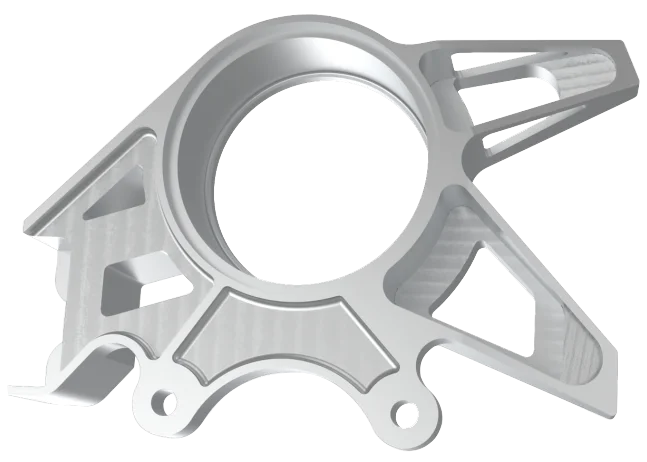
CNC milled aluminum precision part with complex geometry and multiple machining features

Custom Quality Parts By Aria

Contact Us: Sales@madearia.com
Written By
CNC milled aluminum precision part with complex geometry and multiple machining features

Custom Quality Parts By Aria

Send your specs. We’ll get back with a quote in 12 hours.

Scroll to Top