

 EU
EUOver the years working for different industries, I’ve learned how crucial it is to choose the right screw head. Using the wrong type of screw can compromise assembly, reduce torque efficiency, or damage components. To help others avoid these mistakes, I created this guide which covers the different types of screw heads, their practical applications, and how they are used in industrial settings and screw manufacturers.
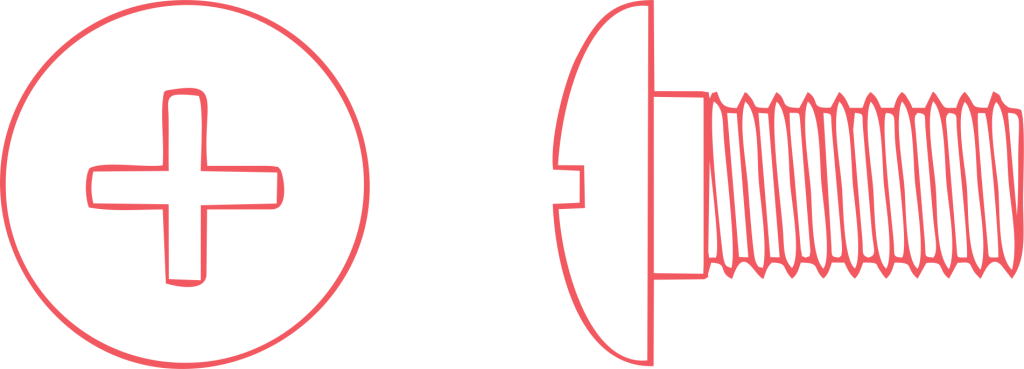
What is a Screw Head?
There are two main head types. Countersunk heads sit flush with or below the surface. They create a smooth, flush surface finish and work well in thin materials and decorative applications. Non countersunk screws have protruding heads that stay above the surface. They provide a larger bearing surface, better load distribution, and stronger clamping force.
The screw drive also matters. A slotted drive works for low torque, hand tightening jobs. A Phillips drive or Torx drive can handle high torque and works better with power tools. A hex head uses a socket wrench or Allen wrench and can withstand high torque in precision engineering and heavy assembly lines.
Choosing the right screw head comes down to three things: the flush surface finish you need, the torque the joint requires, and the tool access you have in tight spaces.
Understanding the Basics of a Screw
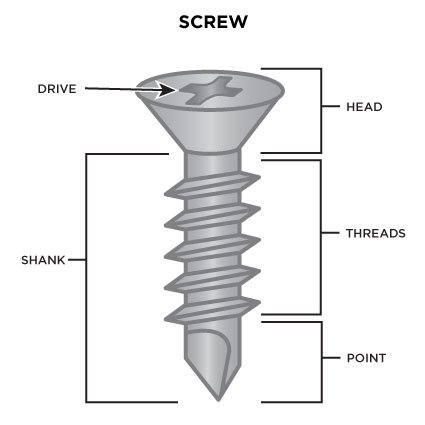
To select the right screw head, it helps to understand how it works with the rest of the fastener. Every screw has four main components:
- Head: The top section where the tool engages. It determines the drive type and how torque is transferred. Different head profiles and head types affect how the screw sits against the material surface.
- Shank: The smooth, unthreaded section below the head. It aligns materials and reduces splitting in wood screws and other fasteners used in soft substrates.
- Thread: The screw thread is the spiral ridge that grips the material. Coarse threads work for softwoods. Fine threads suit metals, plastics, and machine screws. The thread pitch and depth determine how much holding force and secure hold the fastener provides.
- Tip: The point that first enters the material. Sharp tips are for self-drilling. Blunt tips are for pre-drilled holes.
24 Different Types of Screws
The following definitions were adapted from reputable industrial source –
1. Flat Head Screws (Countersunk Head)
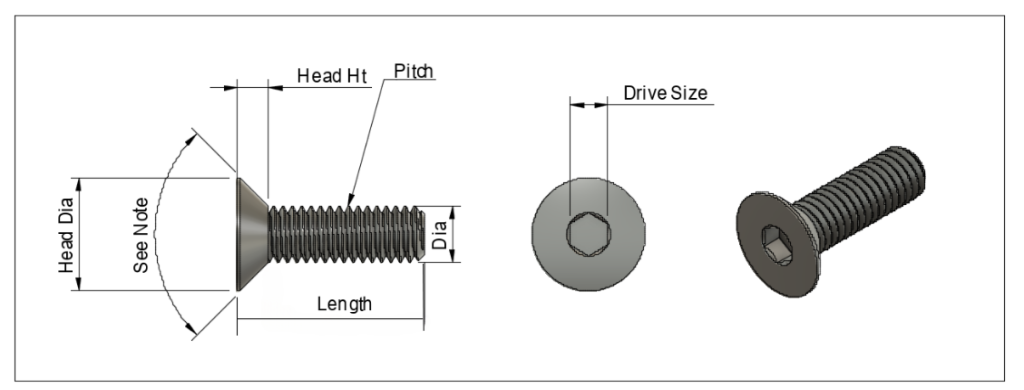
Flat head screws have a flat top and a conical underside, typically at 82° or 90°. The head sinks into a countersunk hole and sits flush with the material surface. This creates a clean, snag-free flush surface with no protruding head.
Countersunk screws like flat head screws are common in cabinetry, furniture assembly, enclosure housings, and structural joints where a smooth aesthetic finish matters. The conical shape also distributes clamping force evenly into the countersink, reducing material stress under load. Flat head screws are one of the most widely used countersunk heads in both machine screws and wood screws.
2. Flange Head Screws
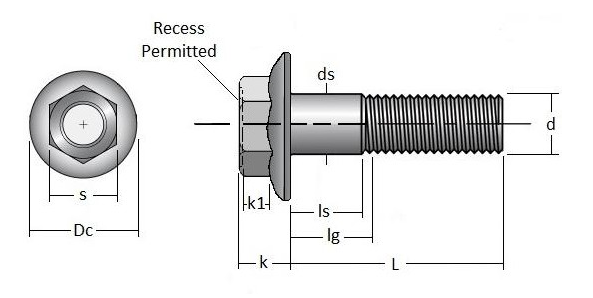
Flange head screws have a built-in circular flange under the head. This flange spreads clamping force over a wider bearing surface, reducing pressure on thin materials. It also resists loosening under vibration.
They come in hex drive or round-truss head forms. The integrated flange removes the need for a separate washer, making them common in sheet metal fabrication, automotive framing, and machinery assembly. The larger bearing surface provides better load distribution than standard bolt head designs.
3. Binding Head Screws (common Screw head)
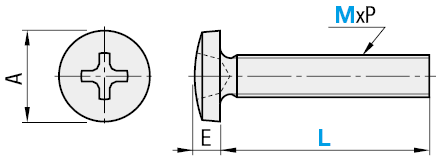
Binding head screws have a thick, slightly rounded head with a deep slot drive. The head height is taller than a standard pan head, providing more material for secure fastening. The slightly undercut underside prevents damage to thin materials like wires or connectors.
Binding head screws are designed for electrical work. They are commonly used to secure terminal strips, binding posts, and lamp components where a secure grip on delicate parts is essential.
4. Dome Head Screws
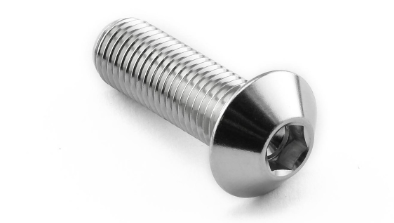
Dome head screws, also known as round head screws, have a smooth, half-spherical top with a slightly rounded profile that sits above the surface. The curved top gives them a decorative finish while the flat bearing surface underneath provides stable contact with the surrounding material.
Round head screws are common in woodworking, vintage equipment, and ornamental hardware. They are used where aesthetics matter and visible fasteners are part of the design. While largely replaced by pan head screws in modern manufacturing, round head screws remain popular for restoration and decorative work.
5. Raised Head Screws
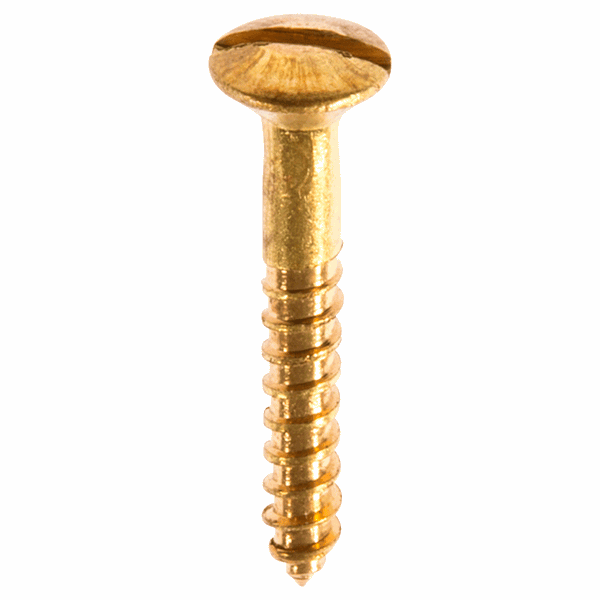
Raised head screws, also called oval head screws, have a conical underside and a slightly rounded top. The conical base sinks into a countersunk hole like a flat head screw. The rounded dome sits slightly above the surface, giving deeper driver engagement than a standard flat head.
Oval head screws blend the features of flat and round heads. They provide a clean, decorative finish while keeping the screw securely seated. Raised head screws are common in architectural hardware, hinges, light switches, trim work, and high-end cabinetry where visible fasteners need a polished, aesthetic finish.
6. Truss Head Screws
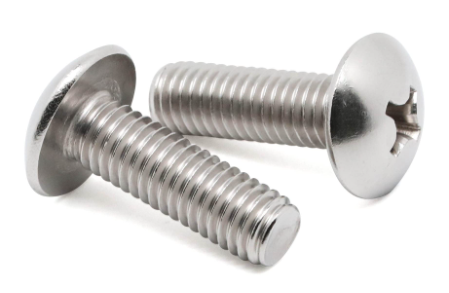
Truss head screws have an extra-wide, low profile head with a shallow dome shape. The oversized wider bearing surface spreads clamping force over a much larger area than standard pan or round heads. This prevents tearing or pull-through on thin sheet metal and soft materials.
The shallow head height keeps overall protrusion low, reducing the chance of snagging clothing or interfering with moving parts. Truss head screws are common in sheet metal fabrication, plastic housings, HVAC ductwork, and for covering oversized clearance holes. The wide head makes them one of the best options for secure fastening on thin materials.
7. Combination Head Screws
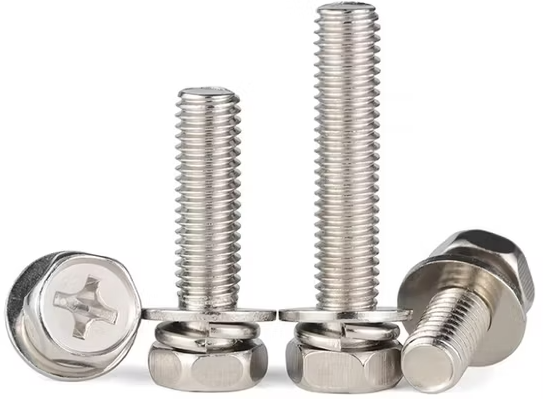
Combination head screws have two drive styles in one head. The most common type pairs a Phillips cross with a slotted drive. Some versions combine an external hex head with an internal drive recess.
This gives installers the flexibility to use whichever tool is available, making them practical for electrical equipment, HVAC systems, consumer appliances, and field-serviced machinery. However, combination heads are best suited for light- to medium-duty use. The slotted element can slip under heavy force, and the Phillips drive tends to cam out if over-tightened.
8. Pan Head Screws
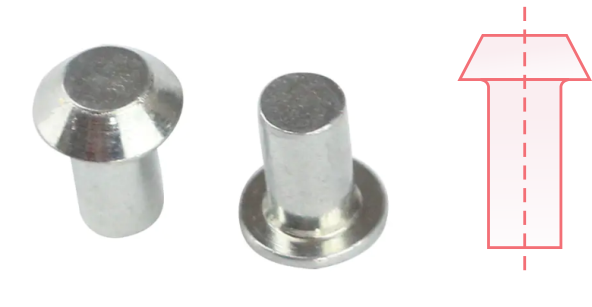
Pan head screws have a slightly rounded top with flat vertical sides and a flat bearing surface underneath. The head sits above the material as a non countersunk screw. Pan head screws offer a good balance between head height, drive depth, and clamping force.
The slightly rounded top provides enough material for a deep Phillips recess, slotted drive, or Torx drive, giving a secure grip during installation. Pan head screws are one of the most common screw head types for machine screws. They are used in electronics, appliance assembly, sheet metal work, and general manufacturing where a flush surface is not required but a low profile head is preferred.
A pan head screw has largely replaced older round head designs in modern production because it provides better torque transfer and a more consistent bearing surface; when paired with the right drive, such as a torx driver, it can also withstand high torque applications.
9.Button Head Screws
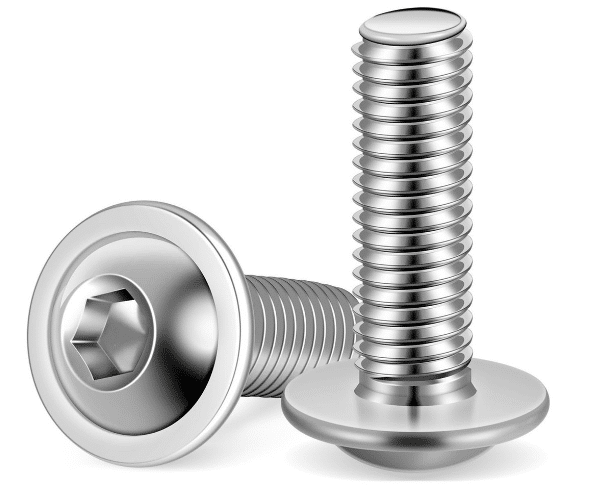
Button head screws have a low, slightly rounded dome top with a wide head diameter. They use an internal hex drive (Allen wrench) and provide a clean, finished look while sitting above the material surface.
The low profile head and smooth dome make button head screws ideal where aesthetics matter but a fully flush surface is not needed. They are common in furniture assembly, consumer electronics enclosures, machinery guards, and architectural fittings. Button head screws offer a wider bearing surface than standard socket head screws, providing better load distribution on softer materials.
10. Pin-in Head Screws
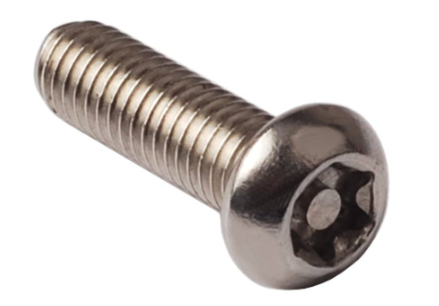
Pin-in head screws are a type of security screw with a solid metal pin in the centre of the drive recess. The pin blocks standard screwdrivers from seating into the head. Installation and removal require a specialized hollow-tipped security driver.
Common variants include Pin-in Torx, Pin-in Hex, and spanner configurations. This tamper-resistant design is used in public infrastructure like signage, outdoor fixtures, and restroom stalls, as well as jail hardware, high-value electronics, and safety-critical enclosures.
11. Sentinel Head Screws
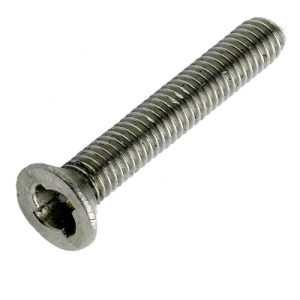
Sentinel head screws have a proprietary drive recess with asymmetrical geometry. Standard hand tools and common bits cannot engage the head. Only a custom, key-matched driver can install or remove them. This makes sentinel heads one of the most secure fastener types available.
They are used in defence systems, military hardware, prison facilities, and high-value equipment enclosures. Sentinel screws offer the highest level of tamper resistance among security screw head types.
12. Two-Hole Head (Spanner Head)
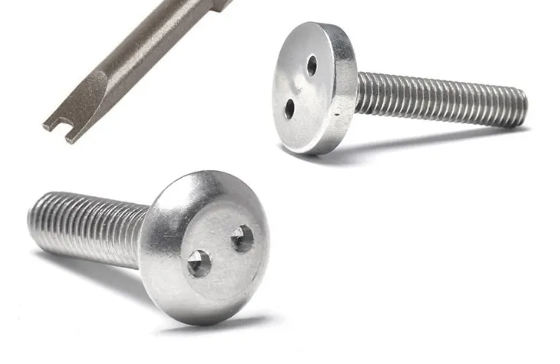
Two-hole head screws, also called spanner head or snake-eye screws, have a smooth flat face with two small blind holes. Torque is applied with a two-prong spanner bit. The flat surface gives no grip to standard screwdrivers, making these screws effective against vandalism and tampering.
They are best suited for low- to medium-torque applications. Too much force can shear the driver prongs. Common uses include public infrastructure, elevator control panels, commercial restroom hardware, and licence plate frames.
13. Triangular Recess Head Screws

Triangular recess head screws, also called TA drive, have a three-sided triangular socket on the head. Standard flat or Phillips drivers cannot fit this recess. This provides light to moderate tamper resistance without expensive proprietary hardware.
A matching triangular bit is required to apply torque. Using the wrong tool can round the corners of the recess. These screws are common in small home appliances, battery compartments, consumer electronics, and children’s toys where safety regulations require tamper-resistant fasteners.
14. Phillips Head Screws (Cross Head)
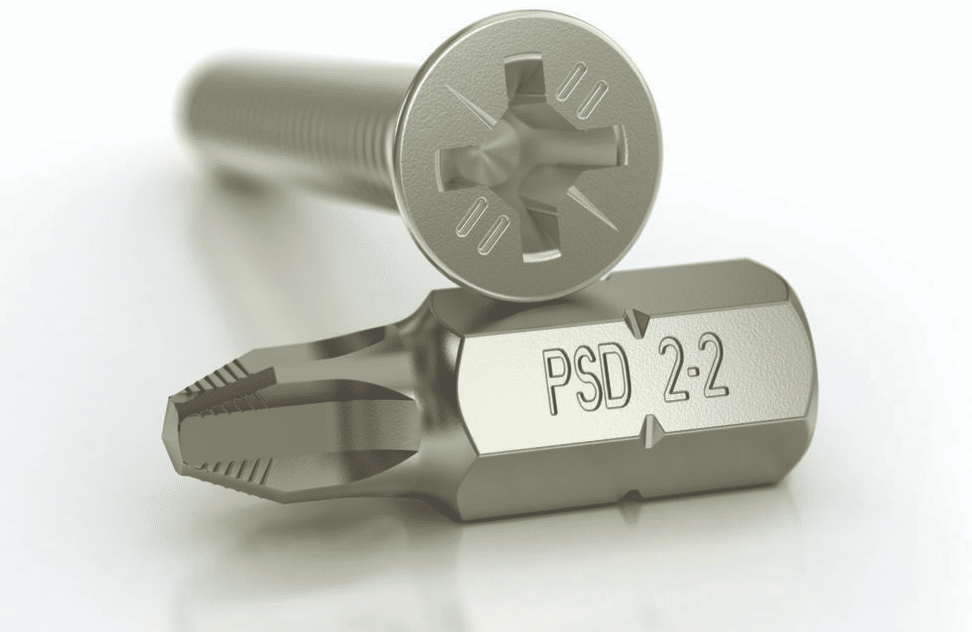
Phillips head screws have a cross-shaped recess that centres and self-aligns the driver bit. The design includes a built-in cam-out feature that lets the bit slip under excess torque, preventing over-tightening and thread stripping. Phillips screws come in standard driver sizes (#0, #1, #2, #3) for fast bit selection. They are one of the most common screw head types, used in consumer electronics, home appliances, automotive interiors, and general manufacturing.
15. Hex Socket Head Screws (Allen Head)
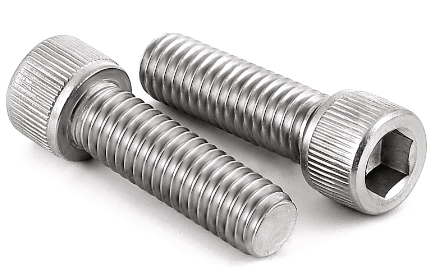
Hex socket head screws have a six-sided internal recess driven by an Allen key or hex bit. The deep recess provides strong contact and precise torque control with minimal cam-out. The compact cylindrical head fits into counterbore holes where external wrenches cannot reach. These screws are standard in CNC machinery, injection moulds, automotive engines, and precision equipment.
16. External Hex Head Screws
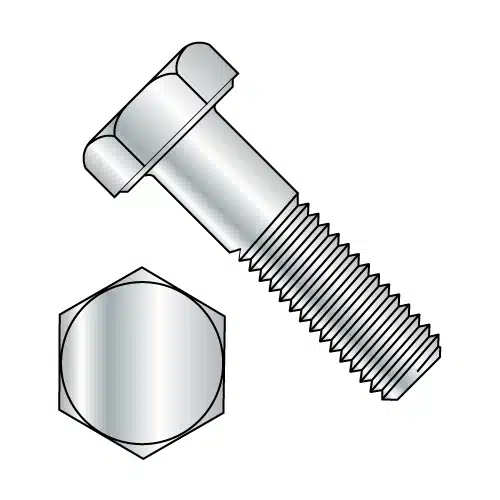
External hex head screws have a six-sided head with a hexagonal shape that allows wrench and socket engagement using open-end wrenches, box wrenches, or socket drives. They handle higher torque than most internal drive types. Available with fully or partially threaded shanks, external hex screws are used in structural steel, heavy machinery, automotive powertrains, and industrial framing.
17. External Torx Head Screws (E-Torx)
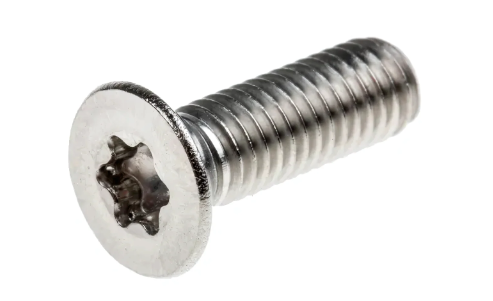
External Torx head screws have a six-pointed star-shaped head driven by an E-Torx socket. The star profile distributes force across all six lobes, reducing head rounding and driver wear. The head is more compact than a hex head of equal strength, saving space. External Torx screws are common in automotive engines, drive shafts, and high-vibration industrial equipment.
18. Pozidriv Head Screws

Pozidriv screws have a modified cross recess with four additional ribs between the main slots. These extra contact points eliminate the cam-out behaviour of standard Phillips screws, allowing higher torque without slipping. Pozidriv screws require dedicated drivers (PZ1, PZ2, PZ3). They are common in European manufacturing, cabinetry, furniture assembly, and automotive interiors.
19. Quadrex Head Screws
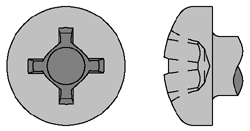
Quadrex screws combine a Phillips cross with a square recess in one head. This allows use with either a Robertson (square) bit for high torque or a standard Phillips driver for field service. The dual-contact design reduces bit slippage on assembly lines while keeping the screw accessible to technicians with common hand tools. Quadrex screws are practical in high-volume manufacturing, HVAC equipment, and field-serviced industrial appliances.
20. Slotted Head Screws
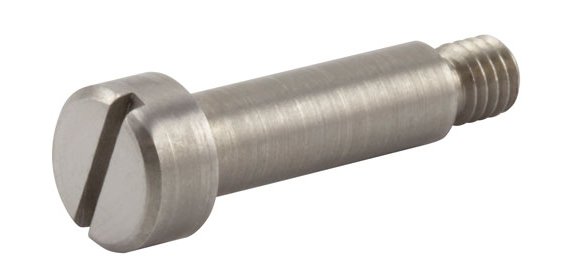
A slotted screw is a classic fastener design with a single linear slot across its head for a standard flathead screwdriver. This is the oldest and simplest screw drive type, and flathead screws are prone to slipping out under heavy torque. Easy and cheap to manufacture, but prone to driver slipping and limited in torque capacity. Today, slotted screws are mainly used in electrical switch plates, woodworking, vintage restorations, and decorative hardware where a traditional look is preferred.
21. Square Recess Head Screws (Robertson)
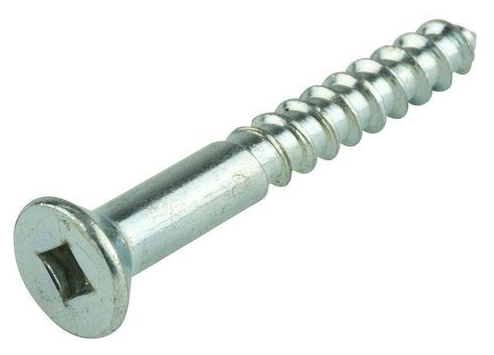
Square recess head screws, also known as Robertson screws, have a slightly tapered square socket that wedges tightly onto the driver bit. This gives excellent grip and high torque transfer with virtually no cam-out. The snug fit allows easy one-handed operation. Robertson screws are colour-coded by driver size (#0, #1, #2, #3) and are especially popular in woodworking, deck construction, and North American residential framing.
22. Torx Head Screws
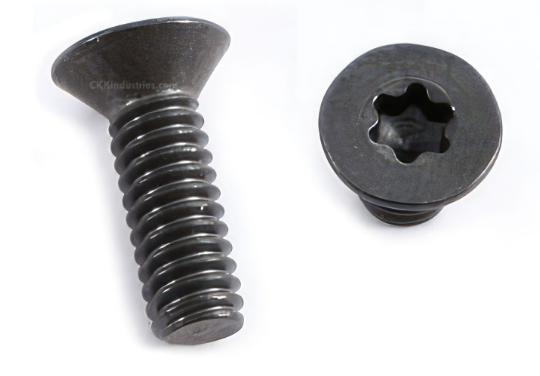
Torx head screws have an internal six-lobed star recess, also called a hexalobular drive. The design directs force perpendicular to the recess walls to help apply enough torque without cam-out, extending tool life. Torx screws are identified by T-size codes such as T10, T15, T20, T25, and T30. They are standard in automotive manufacturing, CNC machine components, consumer electronics, and structural timber work.
23. Torx Plus Head Screws
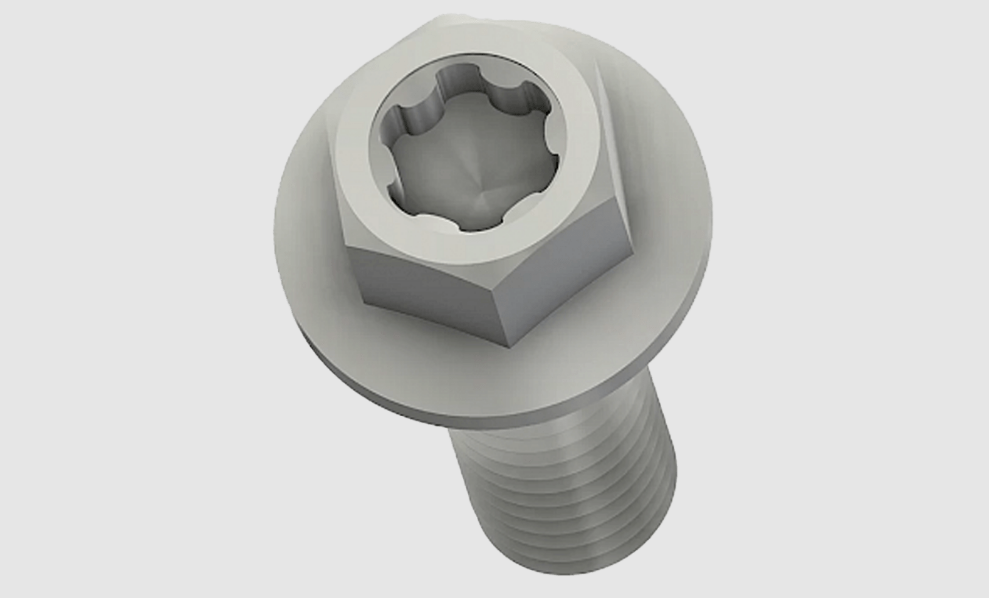
Torx Plus is an advanced version of the standard Torx with elliptical lobes and a 0° drive angle instead of the traditional 15°. This increases the contact area between bit and recess, allowing higher torque and longer bit life in automated assembly. Torx Plus screws use IP size codes (10IP, 15IP, 20IP) and require dedicated Torx Plus drivers. They are used in motorsport, aerospace, precision medical devices, and high-speed production lines.
24. Captive Screws
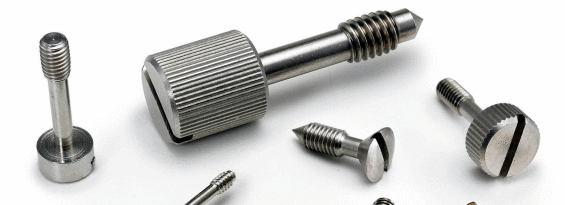
Captive screws are designed to stay attached to the panel or component even when fully loosened. The screw thread remains engaged in a retaining mechanism, preventing the fastener from falling out or getting lost during maintenance.
Captive screws are essential in electronics enclosures, server racks, and aerospace panels where replacement screws are impractical or where loose hardware could cause equipment damage. They simplify field service and reduce the risk of foreign object debris in critical assemblies.
Conclusion
Choosing the right screw head about function, torque, and material compatibility. In manufacturing, injection molding, and CNC applications, selecting the proper head can.
By understanding structural, aesthetic, tamper-resistant, and drive-based screw heads, you can make smarter decisions that save time and ensure professional results.
Frequently Asked Questions
Q: What is the difference between countersunk and non countersunk screws?
Countersunk screws like flat head and oval head screws have a conical underside that sits flush with or below the material surface. Non countersunk screws like pan head, round head, and truss head screws have protruding heads that remain above the surface. Countersunk heads give a smooth finish. Protruding heads provide more clamping force and are easier to remove.
Q: Is Pozidriv better than Phillips?
Pozidriv provides better performance than Phillips in most applications. The extra ribs on a Pozidriv screw create more contact points, giving a more secure grip and allowing higher torque without cam-out. Phillips is more widely available and works with more power tools, but Pozidriv is the better choice for jobs that need high torque resistance and reliable secure fastening.
Q: Is a #10 or #8 screw bigger?
A #10 screw is larger than a #8. Screw gauge numbers indicate diameter. The higher the number, the larger the screw diameter. A #10 screw has a bigger shank and head than a #8.
Q: What are the most common machine screw head types?
The most common machine screw head types are pan head, flat head (countersunk), round head, and socket head (Allen). Pan head screws are the most popular for general machine screw applications because they offer a good balance of head height, drive depth, and bearing surface. Flat head machine screws are used when a flush surface is needed.
Q: What screw head is best for high torque applications?
For high torque applications, hex socket head screws, external hex head screws, and Torx head screws are the best options. Hex socket heads driven by an Allen wrench provide excellent torque in tight spaces. External hex heads driven by a socket wrench deliver the highest torque capacity. Torx screws withstand high torque without cam-out, making them ideal for automated assembly with power tools.
