What Is Nylon: Types, Processing And Applications

Nylon

Share:

Table of Content

Table of Content

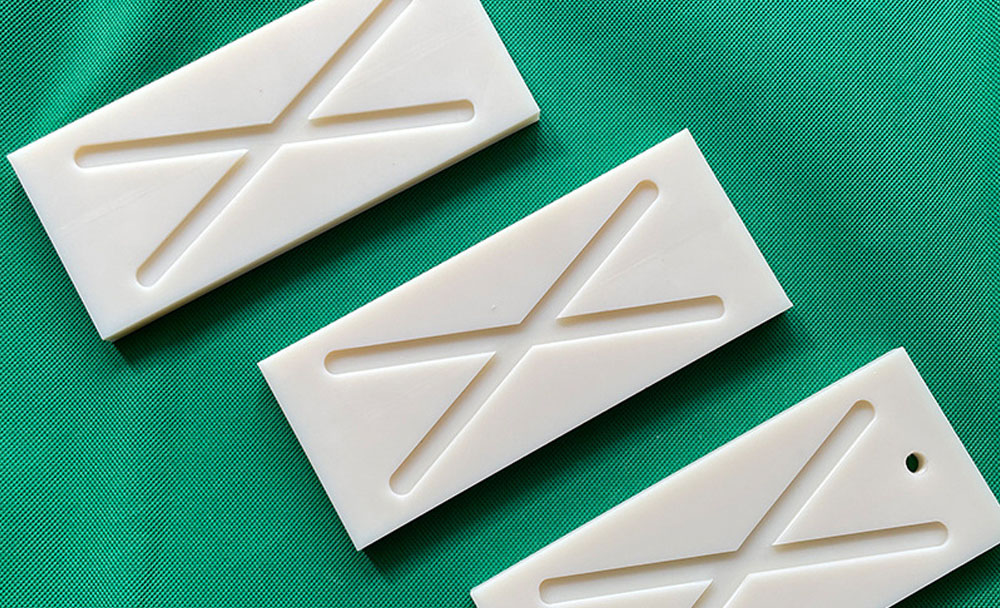
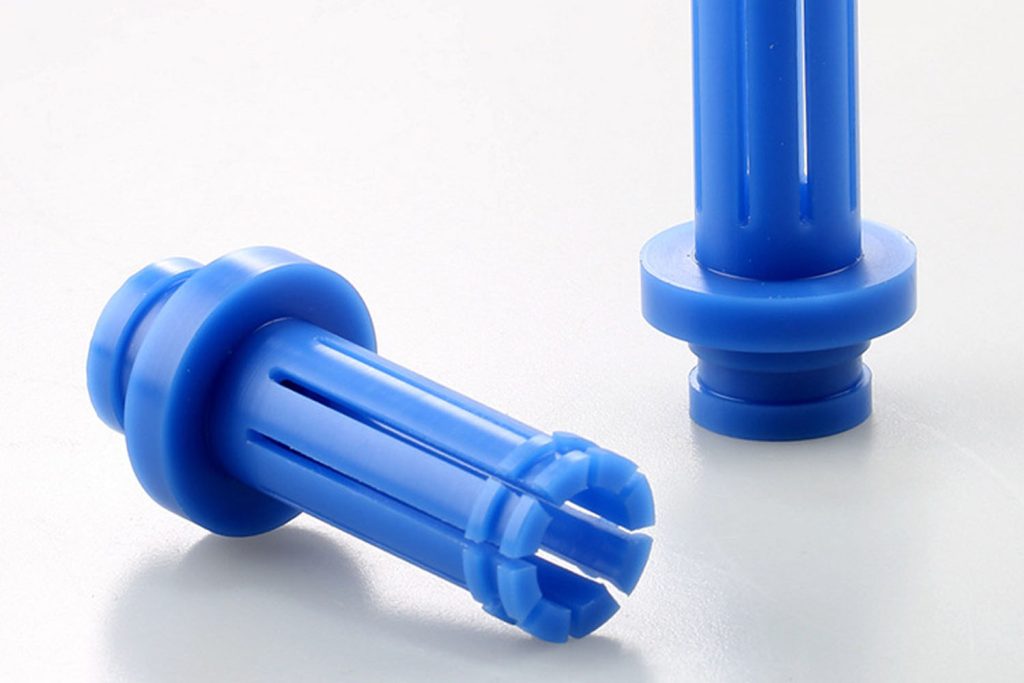
Nylon is a polyamide (PA), representing a class of synthetic and natural polymers linked by amide bonds (a carbonyl group connected to a nitrogen atom) to achieve superior strength and durability. It serves as a frequent replacement for metal bearings and bushings, typically operating without external lubrication. Additional advantages of nylon plastics include reducing component weight, lowering operational noise, and minimizing wear on mating parts.

Nylon

Types of Nylon

Nylon 6 (PA 6)

Known for toughness and abrasion resistance, offering optimal surface appearance and requiring lower injection molding temperatures compared to its counterparts.

Nylon 6/6

The standard engineering resin, delivering high stiffness, exceptional wear resistance, and superior thermal stability for structural housings and high-load gears.

Nylon 4/6 (PA 4/6)

Characterized by exceptional mechanical strength and sustained fatigue resistance, specifically tailored for demanding high-temperature environments.

Nylon 6/12 (PA 6/12)

Features exceptionally low moisture absorption rates, resulting in superior dimensional stability and impact resistance even in highly humid conditions.

Nylon 11 (PA 11)

A highly flexible, fracture-resistant polyamide frequently utilized for dynamic components requiring high ductility and repetitive movement, such as snap-fits and hinges.

Nylon 12 (PA 12)

Delivers a balanced profile of physical properties alongside excellent chemical resistance, functioning as a reliable general-purpose material for various industrial applications.

Glass-Filled Nylon (GF Nylon)

Reinforced with glass fibers or beads to increase stiffness by up to 80% and tensile strength by 70%, while simultaneously reducing the rate of thermal expansion by half for demanding environments.

Common Processing Methods

CNC Machining

Nylon machining provides a middle ground between commodity plastics and costly engineering composites. The material’s moderate hardness reduces tool wear on 3-axis and 5-axis setups, while generating stringy chips that require sharp carbide tools and proper chip evacuation systems. Machined nylon gears naturally absorb vibrations, reducing operational noise by up to 30% compared to metal alternatives.

Injection Molding

Polyamide plastics exhibit a low melt viscosity, allowing the molten material to flow efficiently through tight spaces and completely fill thin-walled features. Injection molded nylon maintains high dimensional stability and long-term fatigue resistance under cyclic loading, successfully withstanding continuous exposure to temperatures up to 150°C.

3D Printing

Nylon is widely utilized across Selective Laser Sintering (SLS), Multi Jet Fusion (MJF), and Fused Deposition Modeling (FDM) platforms. It provides high throughput and dimensional accuracy for impact-resistant prototypes and functional jigs. For FDM specifically, heated print beds and enclosed, temperature-controlled chambers are necessary to manage thermal expansion and prevent structural warping.

Applications of Nylon

Automotive Industry

Due to its high strength-to-weight ratio and heat resistance, nylon is heavily utilized to manufacture under-the-hood components, including gears, bearings, engine covers, and fuel lines.

Consumer Goods

High tensile strength, extreme flexibility, and constant abrasion resistance make nylon the primary material for dynamic consumer products like climbing ropes, fishing lines, toothbrush bristles, and zipper assemblies.

Industrial Manufacturing

Rollers, conveyor belts, and machine parts depend on nylon because the material remains exceptionally tough, resists harsh chemical corrosion, and withstands high repetitive stress and kinetic friction.

Electronics Industry

Leveraging its high electrical insulation properties and continuous thermal stability, the electronics sector implements nylon for manufacturing precise connectors, insulators, and circuit board fasteners.

Aerospace Sector

Nylon meets strict aerospace standards by delivering extreme lightweight performance, high tensile capability, and resistance to severe environmental fluctuations, making it ideal for specialized fasteners, structural brackets, and load-bearing bearings.

Written By
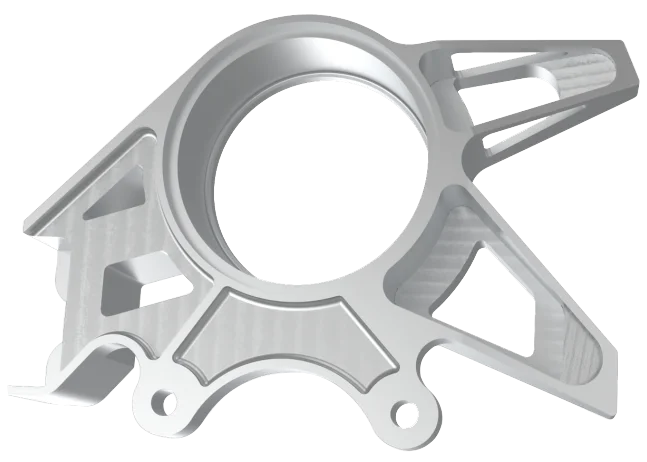
CNC milled aluminum precision part with complex geometry and multiple machining features

Custom Quality Parts By Aria

Send your specs. We’ll get back with a quote in 12 hours.

Scroll to Top