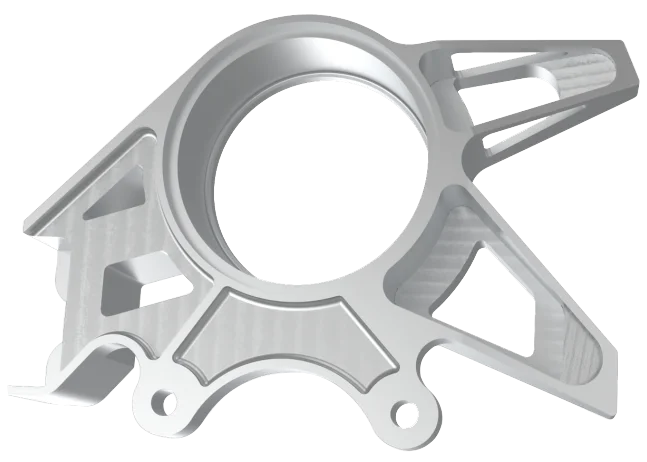
Look around any factory floor and count the sheet metal parts. Enclosures, brackets, panels, ducts, chassis, frames.
This guide explains the working principle of sheet metal processing, the involved production processes, the materials used, and its application fields.
What is Sheet Metal Fabrication?
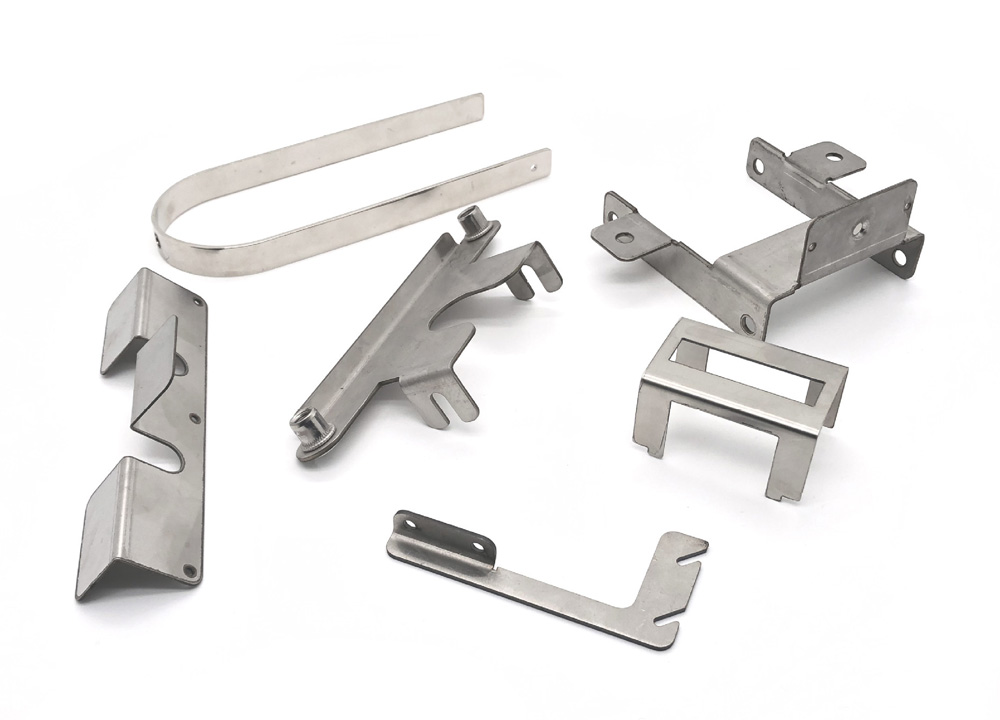
Sheet metal fabrication is how flat metal sheets become functional parts. A flat sheet goes through cutting, bending, punching, welding, and finishing until it takes the shape specified in the design file.
The raw material in sheet metal fabrication is typically between 0.5mm and 6mm thick. Anything thinner is foil. Anything thicker is plate. This thickness range defines what counts as sheet metal and determines which processes apply.
Unlike CNC machining, which removes material from a solid block, sheet metal fabrication reshapes the material without removing much of it. A 1mm aluminum sheet that starts at 1kg will weigh close to 1kg after fabrication. Very little material is wasted, which is one reason the process is cost-effective at scale.
Sheet Metal Fabrication Processes
Sheet metal fabrication is not a single process. It is a sequence of operations, each one building on the last.
Here is what each step does.
Cutting
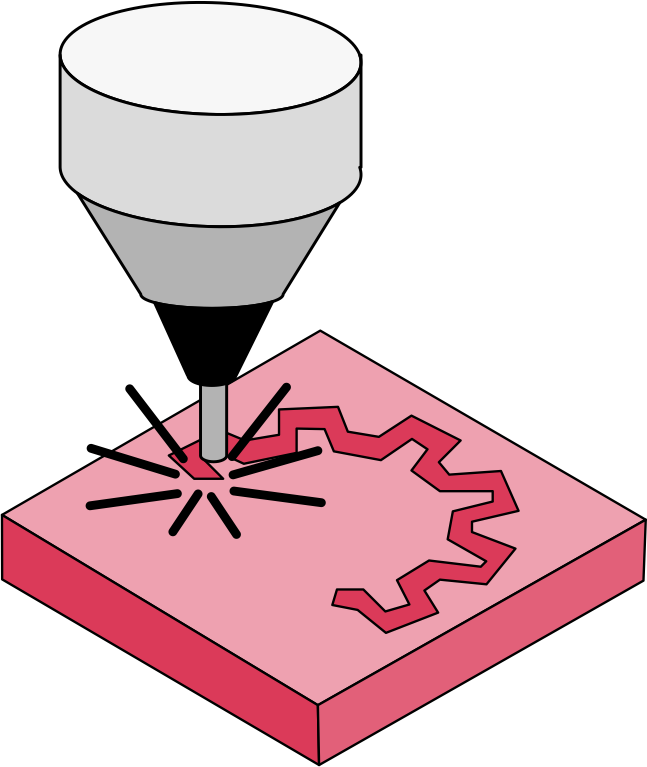
Cutting separates the flat sheet into individual blanks. Laser cutting is the most common method, with tolerances around ±0.1mm. Plasma cutting is faster on thick material. Waterjet cutting works best when heat distortion is not acceptable.
Bending
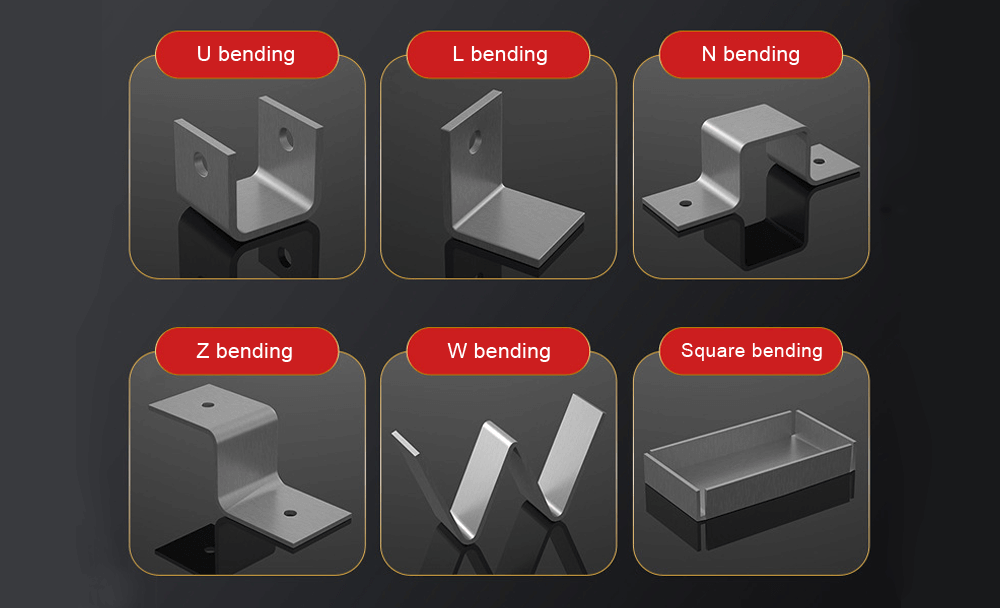
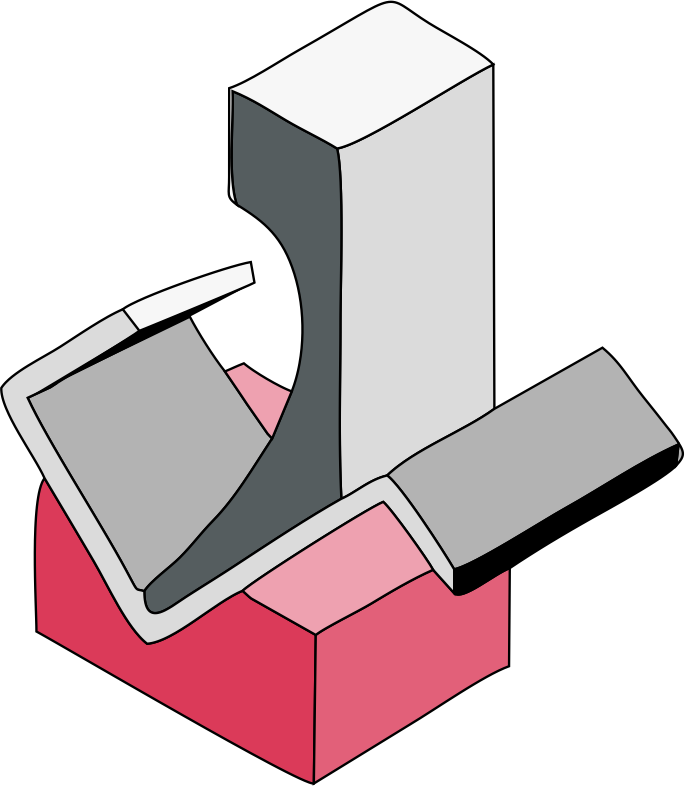
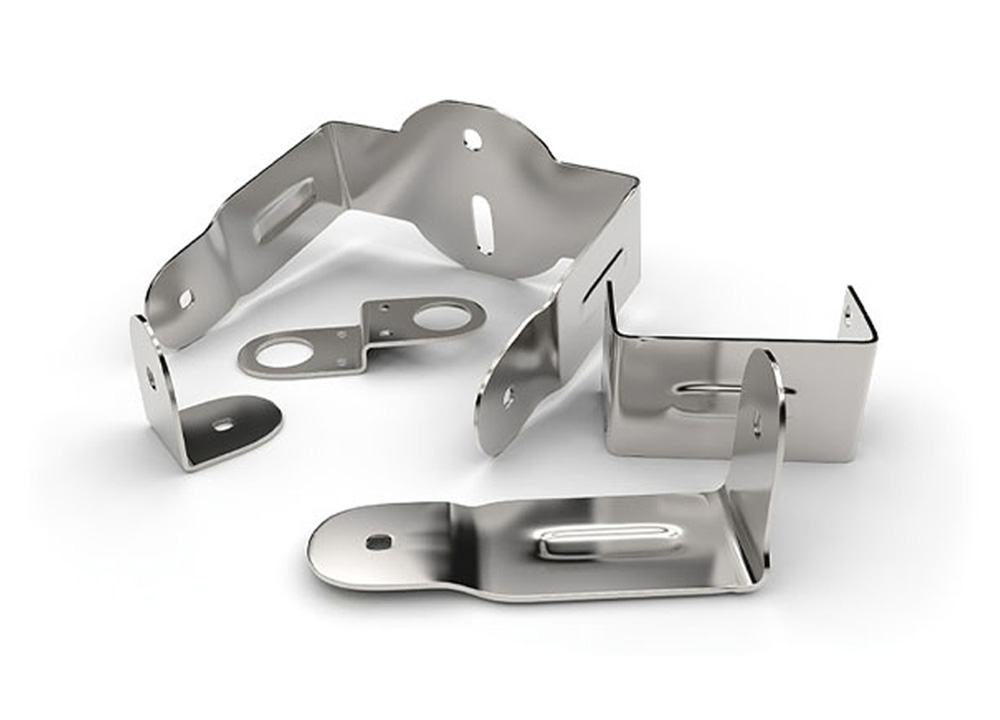
A press brake forces the sheet into a die to create a precise angle. The main challenge is springback, where the material tries to return toward flat after the brake releases. Getting springback compensation right is critical to dimensional accuracy.
Punching
A CNC turret punch drives a tool through the sheet metal to create holes, slots, and cutouts. Faster and cheaper than laser cutting for parts with many holes, but the edge quality is rougher.
Welding
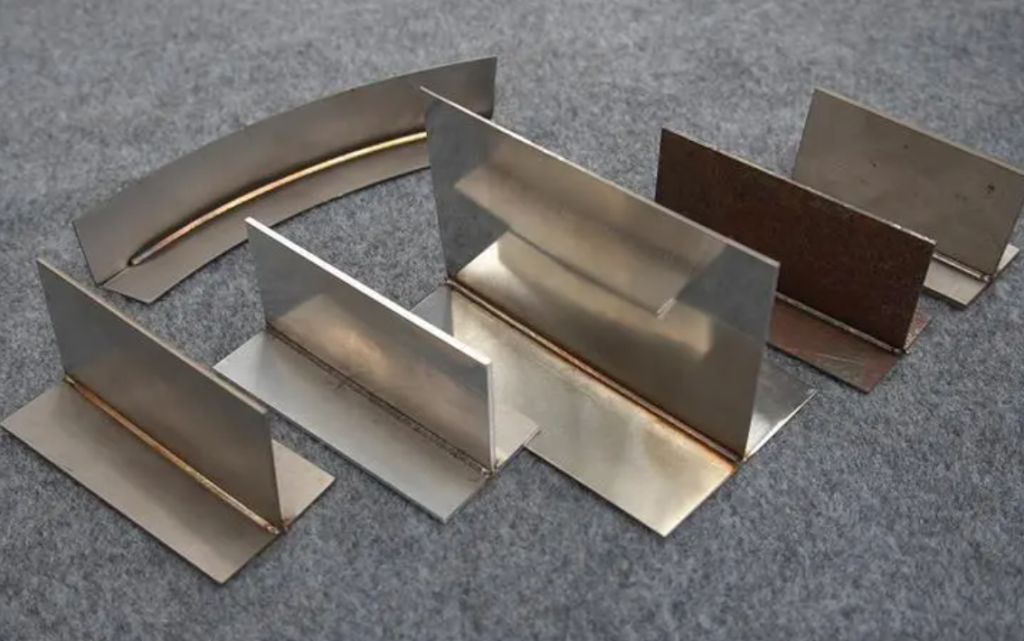
Welding fuses separate parts into one assembly using heat. TIG welding gives the cleanest joints on thin material. MIG is faster for thicker sections. Spot welding is standard for overlapping sheets in high-volume production.
Assembling
Rivets, bolts, screws, and press-fit inserts join parts mechanically without heat. This is the better option when the material cannot handle welding temperatures or when the assembly needs to come apart for maintenance.
Finishing
Powder coating is the default surface treatment for most sheet metal parts. Other options include anodizing for aluminum, zinc plating for corrosion resistance, and brushing for a uniform texture.
Sheet Metal Materials
The material you choose affects everything from how the part bends to how long it lasts. These four cover the majority of sheet metal fabrication work.
Aluminum
Lightweight, corrosion-resistant, and easy to form. Aluminum is the most common sheet metal material in industries where weight matters. Common grades include 5052 for general forming, 6061 for structural parts, and 3003 for enclosures and panels.
Copper
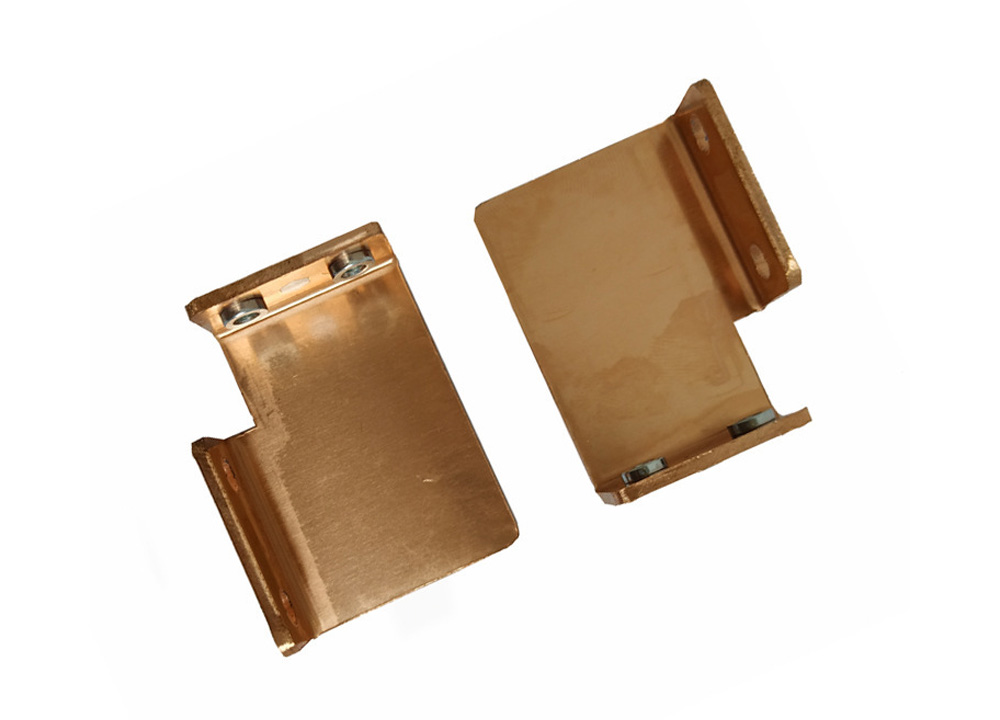
Excellent electrical and thermal conductivity. Copper sheet is standard in electrical components, heat exchangers, and bus bars. Common grades are C101 and C110. Brass (a copper-zinc alloy) is often used where better machinability or a decorative finish is needed.
Stainless Steel
Strong, corrosion-resistant, and durable. Stainless steel handles harsh environments better than any other common sheet metal. Grade 304 is the general-purpose choice. Grade 316 adds molybdenum for better resistance to salt and chemicals. Grade 430 is a lower-cost option for non-structural applications.
Steel
It is the most cost-effective option for structural sheet metal work. Mild steel (such as SPCC or Q235) is easy to weld and form. Galvanized steel adds a zinc coating for outdoor corrosion protection.
Sheet Metal Applications
Sheet metal parts show up in more places than most people realize. Here are the industries that use them the most.
Automotive
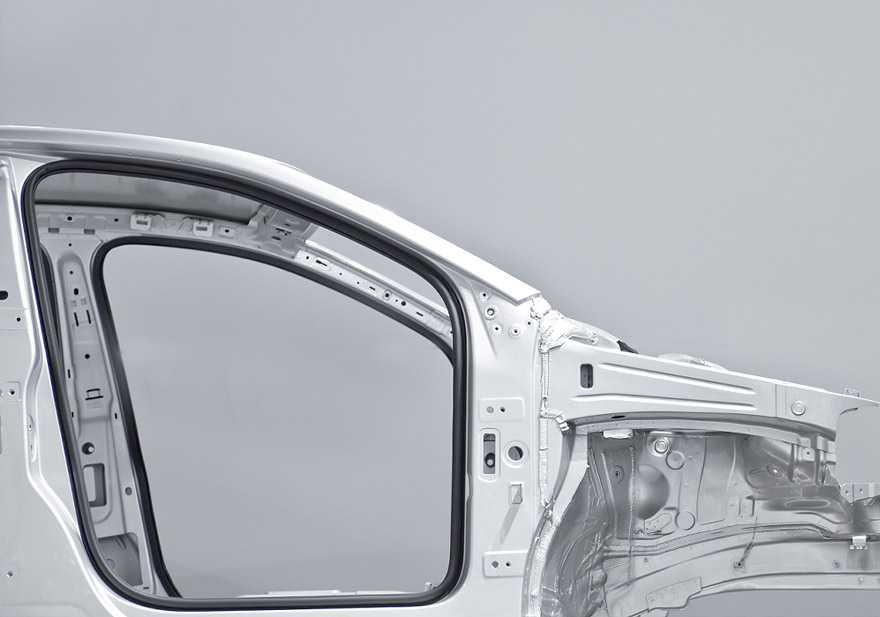
Sheet metal fabrication has been central to the automotive industry since cars were first mass-produced. The ability to form large panels and strong structural frames from thin material is what makes car bodies possible. Hoods, fenders, doors, roof panels, and floor pans are all stamped or laser-cut sheet metal.
Aerospace
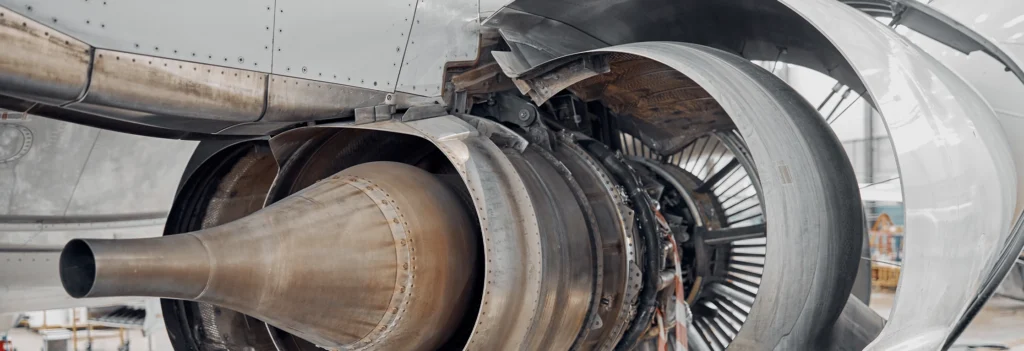
In aerospace, weight is everything. Aluminum and titanium sheet metal forms the outer skin of aircraft fuselages and wings. The material is thin enough to save weight but strong enough to handle pressurization and aerodynamic loads at altitude.
Electronics
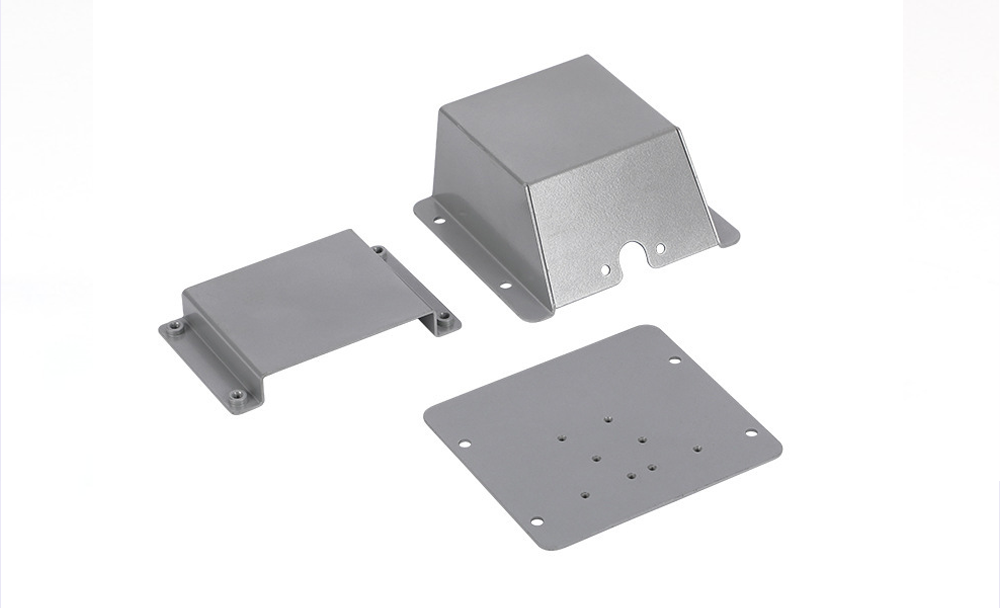
Electronics enclosures are one of the quieter but highest-volume sheet metal applications. Server racks, control cabinets, and instrument housings all need precise hole patterns, clean bends, and corrosion-resistant finishes. Sheet metal handles all of this at a cost that injection molding cannot match at low to medium volumes.
Construction
Construction uses more sheet metal by tonnage than most other industries. Roofing, wall cladding, structural framing, and guttering are all fabricated from galvanized steel or aluminum sheet. The material survives decades of weather exposure with minimal maintenance.
Medical
Stainless steel and aluminum sheet metal is used for instrument trays, equipment housings, diagnostic device enclosures, and surgical cart components. The parts are typically finished with electropolishing or passivation to meet hygiene standards.
Advantages and Disadvantages of Sheet Metal Fabrication
Advantages
Low cost at volume
Once the tooling is set up, the per-part cost drops fast. A stamped bracket might cost a few cents each at 10,000 units. That same bracket in CNC machining would cost many times more. For medium to high volume production, sheet metal is hard to beat on price.
Strong but lightweight
A well-designed sheet metal part can be surprisingly strong relative to its weight. Bends and flanges add rigidity without adding material. This is why automotive and aerospace industries depend on it.
Consistency
A laser-cut and bent prototype uses the same process as a production run of thousands. No mold investment, no long lead time for tooling. You can test a design and scale it up without changing the manufacturing method.
Wide material selection
Steel, stainless steel, aluminum, copper, brass. Each brings different properties, and all of them work with standard sheet metal processes. Switching materials does not mean switching equipment.
Disadvantages
Uniform thickness throughout the part
A sheet metal part starts as a flat sheet with one thickness. You cannot make one section thicker than another without welding on additional material. If your design needs variable wall thickness, CNC machining is the better option.
Geometry limitations
Not every shape is possible. Very deep draws, undercuts, and complex 3D contours can be difficult or impossible to achieve with standard bending and forming. Some designs simply need a different process.
Tooling cost for stamping
Laser cutting and press brake bending need minimal tooling. But stamping dies for high-volume production are expensive and take weeks to produce. If the design changes after the die is made, the cost is significant.
Springback
Every bend springs back slightly after forming. Compensating for it requires experience and the right press brake settings. On tight-tolerance parts, springback is the most common source of dimensional error.
Conclusion
Sheet metal fabrication is one of the most versatile and cost-effective ways to produce metal parts at scale. If you have a project that involves sheet metal components, feel free to reach out to our team at Aria Manufacturing for a quote.
Gavin Leo is a content editor at Aria Manufacturing with hands-on experience in CNC machining, Injection molding, materials selection, and part design. Outside of work, he enjoys hiking and collecting mechanical watches.
Custom Quality Parts By Aria
Send your specs. We’ll get back with a quote in 12 hours.
Gavin Leo is a content editor at Aria Manufacturing with hands-on experience in CNC machining, Injection molding, materials selection, and part design. Outside of work, he enjoys hiking and collecting mechanical watches.


 EU
EU