Fillet vs. Chamfer: Differences and When to Use Each

Fillet vs Chamfer

Share:

Table of Content

Table of Content

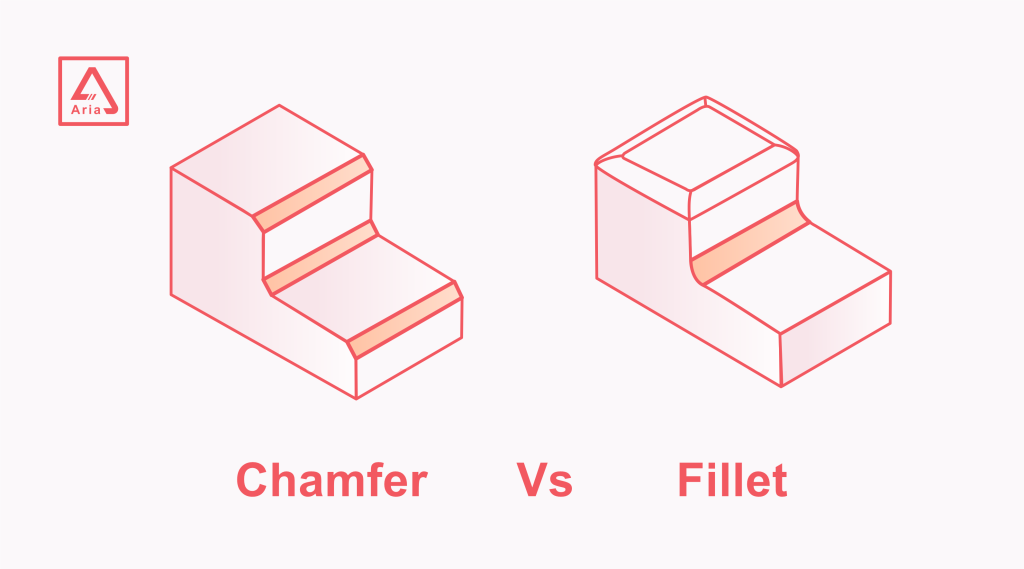
Every part design has to settle how its edges are treated. A fillet rounds them; a chamfer cuts them at an angle. The right call affects strength, machining cost, and assembly. Here is how to decide between the two.

What Is a Fillet?

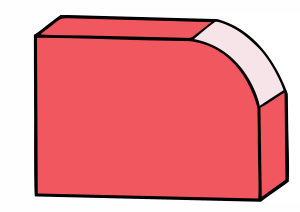
A fillet is a rounded transition along an internal or external edge, defined by a radius. Fillets spread mechanical stress across a curve instead of concentrating it at a sharp corner. This improves fatigue life, smooths material or fluid flow, and removes the sharp edges that cause injury or stress cracks.

fillet

What Is a Chamfer?

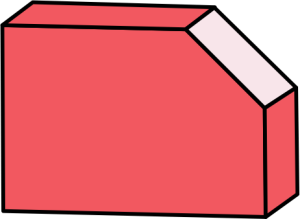
A chamfer is a flat, angled surface that cuts off a sharp edge, usually at 45°. Chamfers guide parts together during assembly, ease the start of threads and fasteners, deburr edges, and protect corners from chipping. They are quick to machine and need no special tooling.

what is chamfer

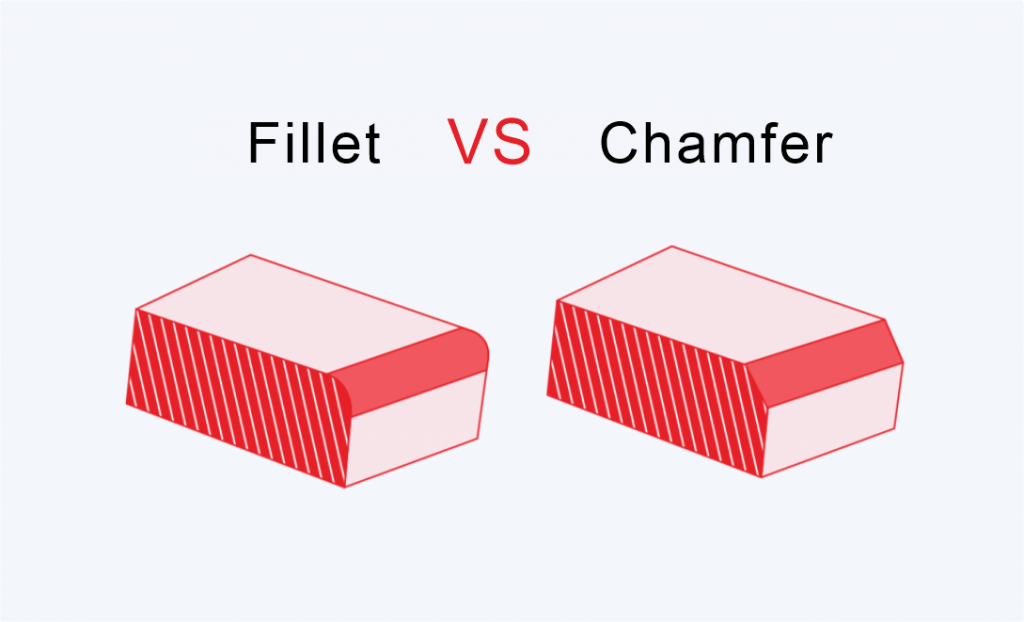
Fillet vs Chamfer: Key Differences

  • Geometry— A fillet is a curved radius; a chamfer is a straight, angled face.
  • Stress distribution— A fillet spreads stress along its curve, while a chamfer leaves higher stress concentration at its edges.
  • Machining cost— Chamfers use simple chamfer mills and cut fast; fillets need a specific radius or ball-nose tool.
  • CNC toolpath— A chamfer is often a single pass, whereas a fillet may require multiple ball-nose passes.
  • Assembly— Chamfers lead parts into mating features more easily than rounded fillets.
  • Aesthetics— Fillets give a soft, organic look; chamfers read as sharp and technical.
Fillet vs Chamfer

When to Use a Fillet vs a Chamfer

 The choice comes down to function. Round an edge when the part carries load or moves fluid, and cut an angle when the edge has to assemble, thread, or simply be deburred at low cost.

Use a fillet when:

Carrying load or fatigue 

The curved radius spreads stress over a larger area instead of concentrating it at a sharp corner, which raises fatigue life and resists cracking. Any internal corner that sees repeated, cyclic, or high loading benefits from a fillet, and a larger radius generally gives a stronger result.

Working with cast or molded parts

Fillets help molten metal or polymer fill the cavity, ease ejection, and prevent the sharp inside corners that crack or trap stress in casting and injection molding. They also reduce sink marks and uneven cooling, making them close to mandatory on internal corners of molded parts.

Guiding fluid or air

A rounded transition keeps flow attached to the wall, reducing turbulence, pressure loss, and erosion compared with a sharp step. Fluid channels, manifolds, pump housings, and aerodynamic surfaces are filleted wherever smooth flow matters.

Appearance and handling matter 

Filleted edges look and feel smooth, remove sharp lines that catch light or skin, and give a finished, premium impression. This suits consumer-facing housings, hand-held tools, and any surface a user touches directly.

Use a chamfer when:

Assembling mating parts

The angled lead-in guides pins, shafts, dowels, and mating parts into place, correcting small misalignments and preventing jamming on entry. Chamfering hole mouths and edges that locate against other parts speeds assembly and avoids scraping or galling.

Starting threads or fasteners

A chamfer at a hole or bolt entry lets a tap, screw, or threaded shaft engage squarely and prevents cross-threading on the first turn. It is standard practice on tapped holes, bolt ends, and counterbored features where fasteners seat.

Deburring and breaking edges

The chamfer removes the sharp burr left after machining, making the part safe to handle and protecting the edge from chipping in service. Breaking edges with a small chamfer is one of the quickest and most common finishing steps in machining.

Controlling machining cost

A chamfer cuts in a single fast pass with a simple, inexpensive chamfer mill, with no special radius tooling or extra ball-nose passes. Where strength and flow are not priorities, it is the cheaper and faster default for breaking an edge.

Need fillets and chamfers machined to spec?

Upload your CAD files for a free DFM review and quote from Aria Manufacturing.

Written By
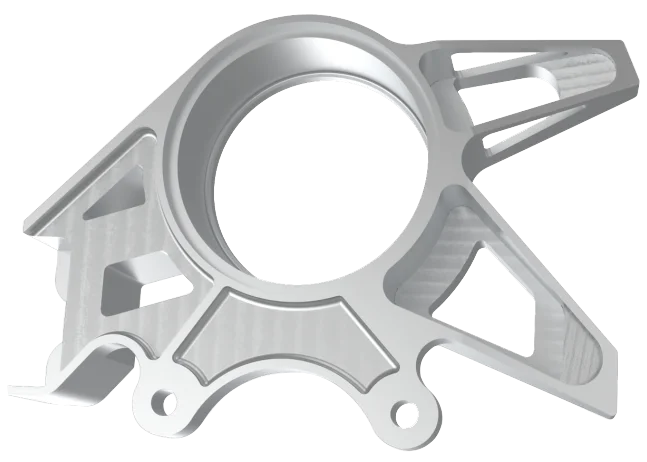
CNC milled aluminum precision part with complex geometry and multiple machining features

Custom Quality Parts By Aria

Send your specs. We’ll get back with a quote in 12 hours.

Scroll to Top