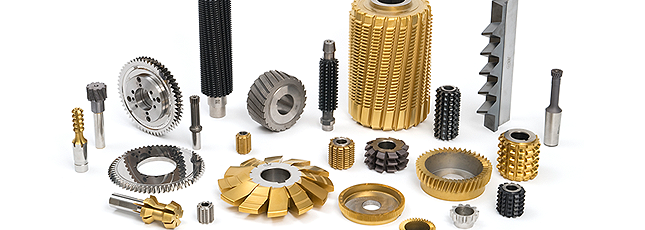
Have you ever thought about how these amazing metal or wood parts are manufactured? The ones with perfect curves, precise holes and intricate detail? Well, it’s a safe bet that a CNC machine was used in the process.
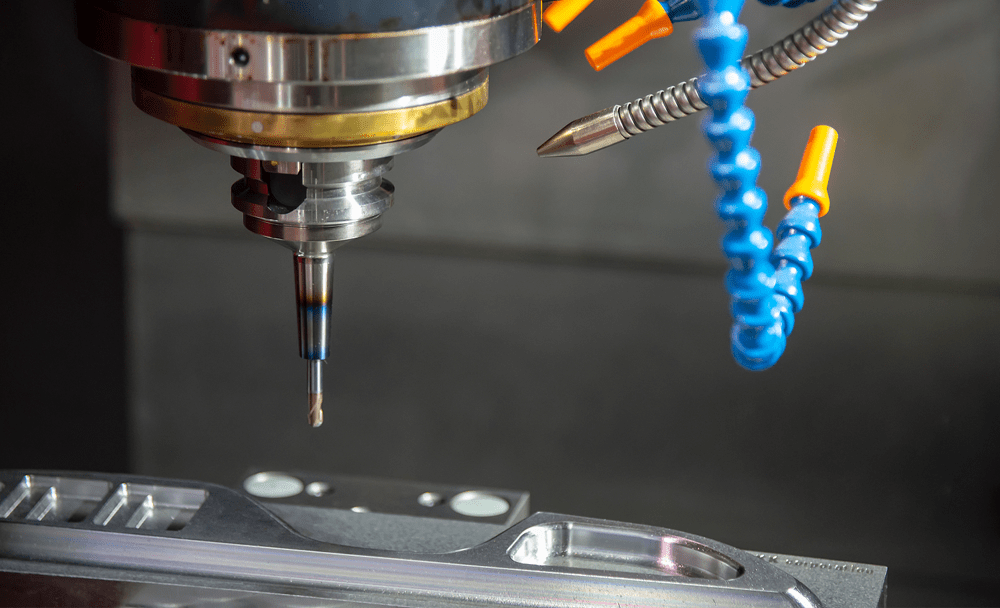
However, honestly, the machine is only a small part of the story. The real magic? That’s in the CNC cutting tools. Because if you don’t have the right tool, the machine is just…a box. These tools do all the work. They cut, drill, form and shape the material. It is incredible what these CNC machining tools can do.
You see, there are so many different kinds, each designed for a certain job. It can be compared to a set of kitchen knives. You wouldn’t use the bread knife to peel a potato, would you? Well, you get the idea.
In this article, we are going to delve deeper. We are going to look at 15 different types of CNC cutting tools. We’re going to touch base on the tools used in CNC Machining and help you better understand what makes each one special.
What Are CNC Machining Tools?
Ok, so if those are the machining tools, what is a CNC cutting tool? Basically of the same family, but more specific. A CNC cutting tool is any tool specifically designed to remove material. You know, by shearing, drilling, grinding and the like. They are part of the tool that does the actual cutting. These are the sharp, tricky bits that see a lot of heat and force.
These are the things made of tough materials, such as carbide or high-speed steel. The entire purpose of these cutting tools is precision. These various CNC cutting tools allow CNC machines to produce machined parts with exceptional accuracy, as fine as fractions of an inch.
Types of CNC Cutting Tools in CNC Machining
Now, let’s delve into the fascinating world of CNC cutting tools. There’s a wide array of them, each with its unique purpose and applications. We’ll explore some of the most common CNC machining tools, totaling 15 types.
End Mills
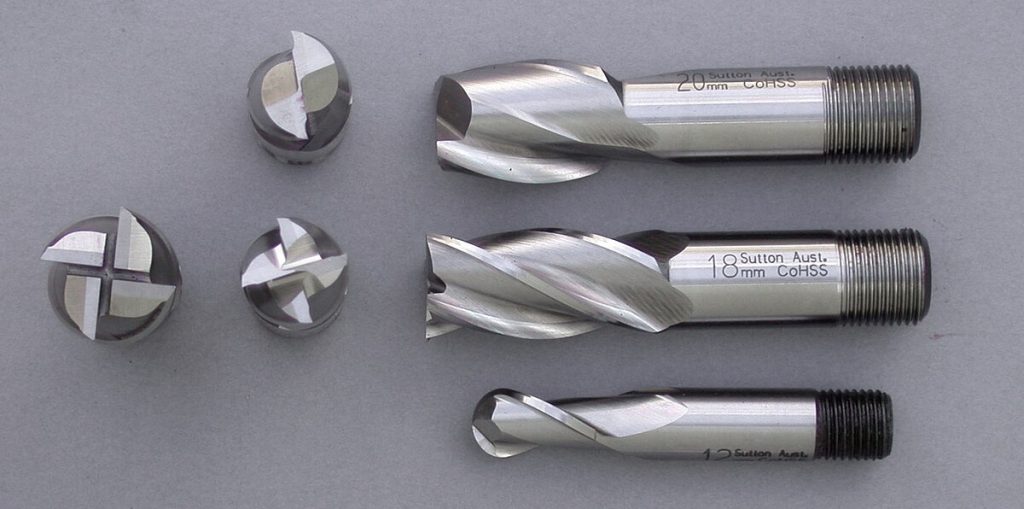
End Mills are the most common CNC tools you will see used in CNC milling machines. You can think of these as great big drills, but they can also cut laterally and not vertically. These have groove cuts because they are helical in form, and are wonderful for milling operations. You use an end mill to create machine slots, machine pockets, machine profiles, etc.
Face Mills
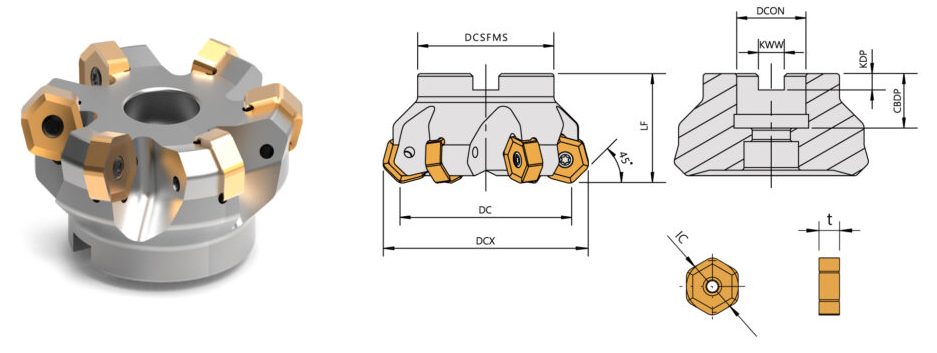
Now this is a face mill. This is different. The primary purpose of using these tools is to create flat surfaces on the tops of workpieces. Picture a piece of rough, flat, finished block material, where you want a flat, smooth, and even surface on top. This would be the tool to use for this particular job. These usually have several carbide inserts (which we will discuss in a moment), and they really do the cutting. They shave the material off as the cutter turns, leaving an excellent finish on the surface.
Fly Cutters
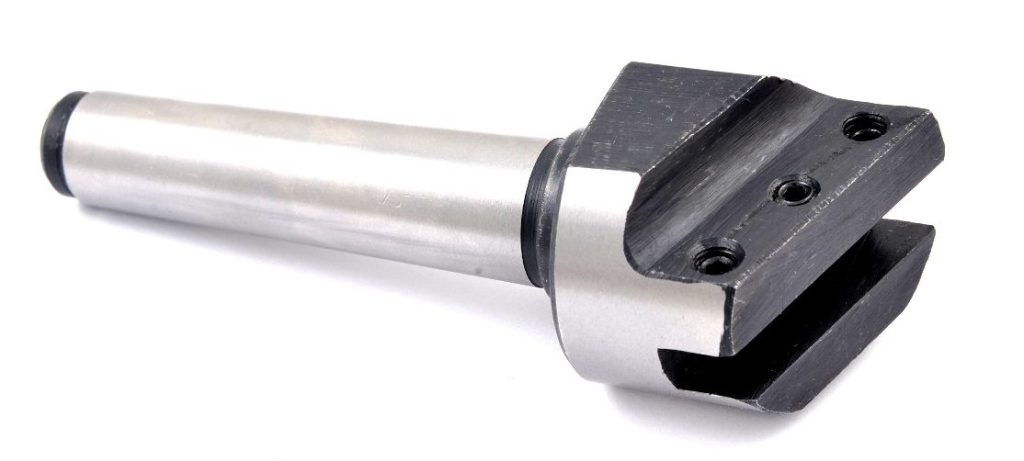
Fly Cutters are basically a form of face mill. A fly cutter usually has one or two cutting edges. These are very nice for taking light cuts to produce extreme effects on nearby surfaces on smooth, flat surfaces. Because of their simplicity, they could probably be the cheaper type of tool to possess. These CNC Machining tools are handy for finishing passes in soft materials, such as aluminum.
Slab Mills
Slab Mills, plain Mills are used in horizontal-type CNC milling machines. These are used for machining large, broad surfaces. Picture in your mind a large, flat, wide hollow cylinder with cutting teeth on the outer circumferential edge of it. The pieces of work would be fed through the center of this sausage-type cutter. These may not be very popular in small shops, but they can quickly transport large quantities of material and have flat surfaces suitable for extensive type work.
Thread Mills
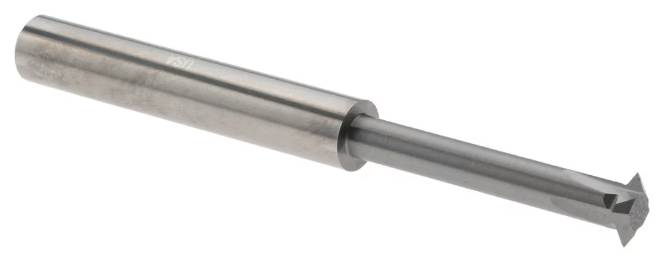
Want to make some threads? Then, a perfect tool for the type of job you want to do is a thread mill. This type of tool is a precision tool and is much superior to a tap tool (we will explain this in a moment). Indications of these are that they give you a good deal of latitude as to the sizes of threads and the quality of threads to be produced. This is very important for machined parts, as having close tolerance is common in the medical field.
Ball Nose Cutters
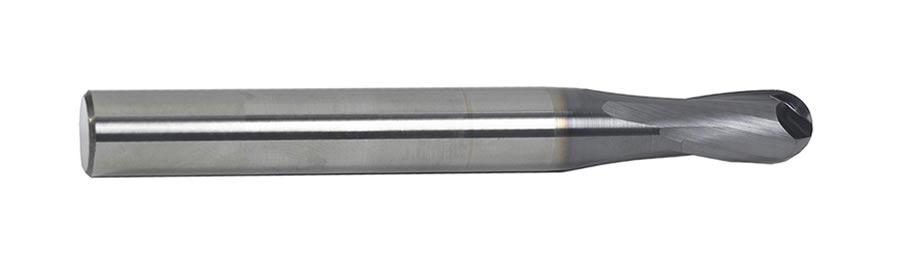
A ball nose cutter (or ball end mill) is a milling cutter with a rounded cutting edge, making it ideally suited to cut 3D contours and complex, curved surfaces. If you see machined parts with smooth, organic, complex shapes, a ball end mill was almost certainly one of the tools used in the CNC machining operations. These are basic tools used in CNC machining operations for 3D work.
Hollow Mills
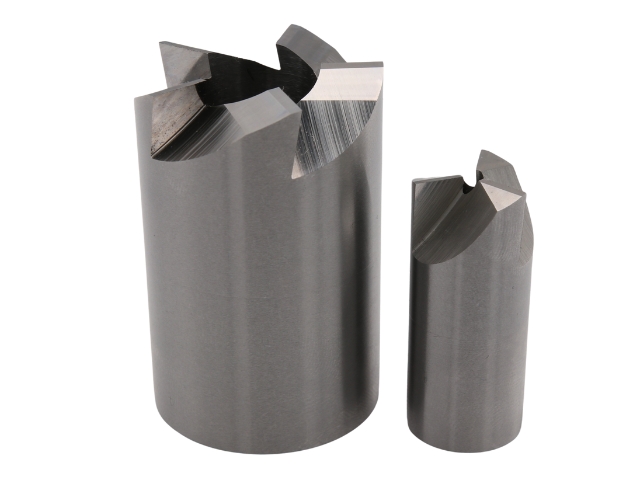
This one is interesting. A hollow mill is like a pipe, with the cutting edges on the inside. You use it to create round “bosses” or tenons. Think of a peg sticking up from a surface. The tool cuts around the outside of the peg. These are very specialized CNC machining tools, but super efficient for their particular job.
Reamers
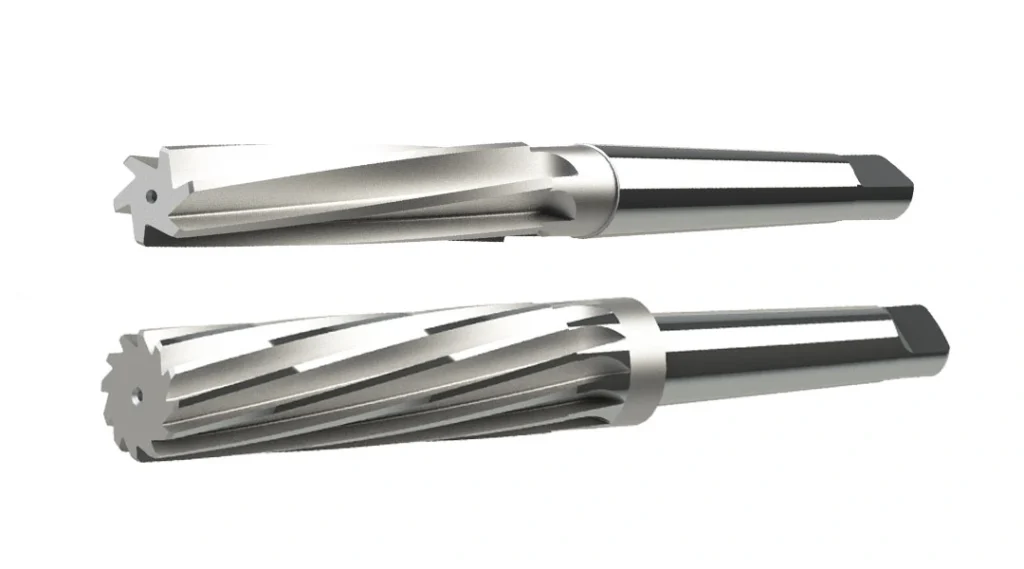
Once you drill a hole, it may not be perfectly round or the correct diameter. This is where a reamer comes in. A reamer is a precision cutting tool that is employed to enlarge a previously drilled hole by a small amount (in fact, a reamer rarely enlarges a hole by more than .020″). It gives the hole an exact fit and a very smooth surface finish. It is all a matter of precision.
Drills
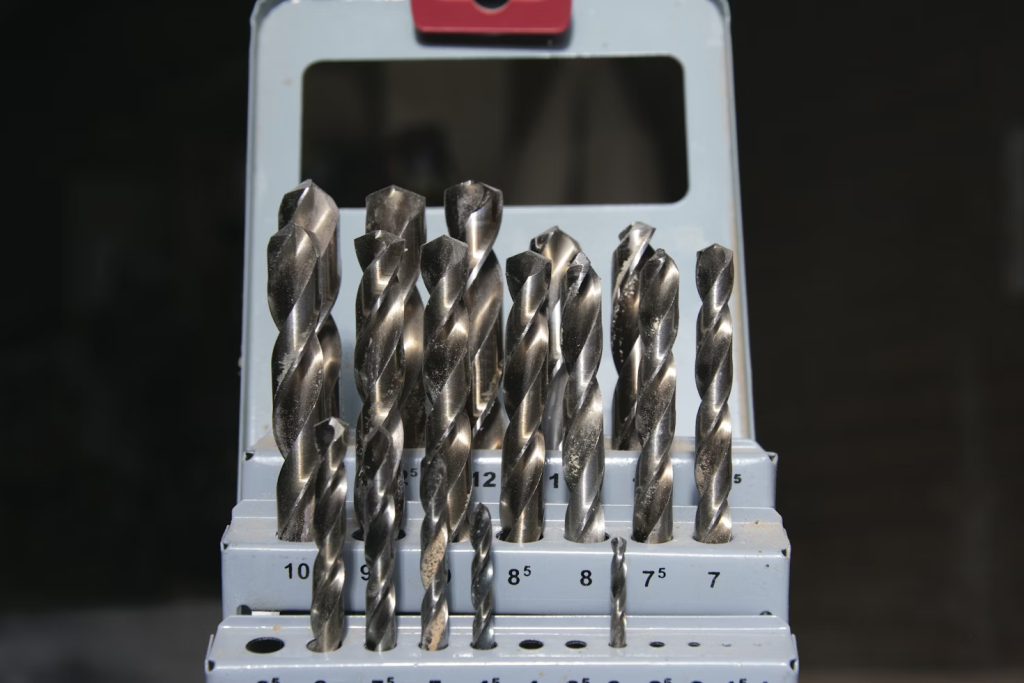
Drill bits are the unsung heroes of CNC machining. Their primary job is to make holes, and they do it with precision and efficiency. The twist drill, with its helical grooves, is the most common one. But there are also center drill bits and their variations, which make small spots for a larger drill to follow accurately. This ensures that the hole is properly drilled, showcasing the versatility of these basic tools.
Boring Bars
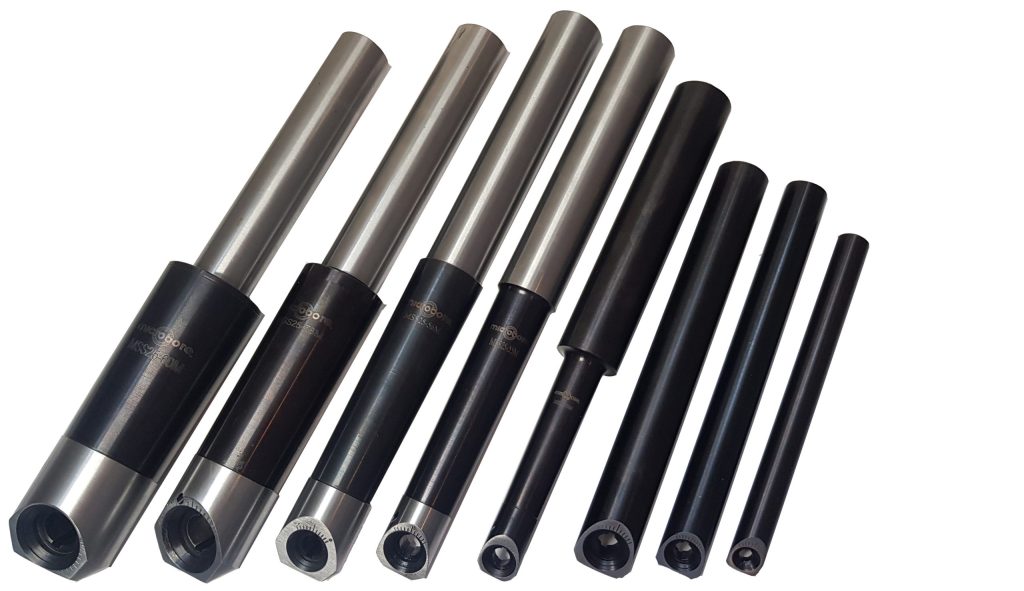
What do you do if you need a large hole or one that isn’t a standard drill size? You use a boring bar. This is a single-point cutting tool that is held at the end of a bar. The machine spins it and moves it outward on a spiral. This allows you to make holes of any diameter, with extreme precision, or make an existing hole perfectly accurate.
Taps
A tap is another tool for making threads. Specifically, it is used to produce internal threads in the interior of a drilled hole. You drill the hole, then the tap, which appears like a well-cut screw, is driven into the hole to cut the threads. It is faster than thread milling for the standard-sized hole in materials such as aluminum or carbon steel.
Inserts
These are not actually tools by themselves, but they are a significant part of modern tooling. Many of the cutters, such as face mills and boring bars, do not have any permanent sharp edges. But they have tiny removable “inserts” made out of carbide or other hard materials. When one edge becomes dull, sharpen it or replace it. This is far cheaper than replacing the whole tool.
Dovetail Cutters
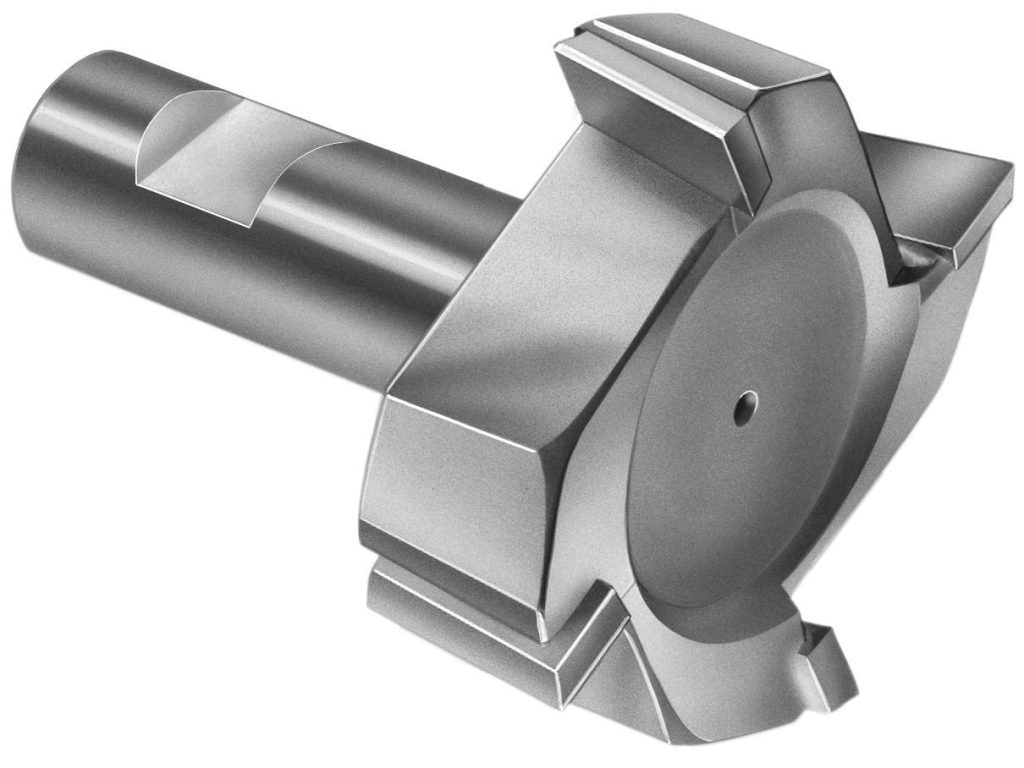
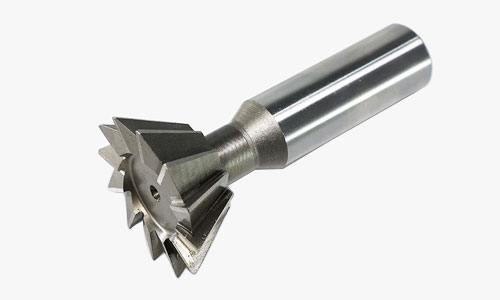
Dovetail cutters are end mills of a type that is angled. They are used to cut dovetail slots, which are used extensively in woodworking and metalworking to join parts together. They can cut precise grooves and angled locations, which cannot be obtained with other tools. It is a very special tool for CNC cutting purposes.
Gear Cutters
Gear cutters are one of the several types of CNC cutting tools that are made specially to cut gears. They are milling cutters that have the exact profile of a gear tooth. As they spin, they will cut the space between the teeth on a blank piece of material. Making gears requires the highest level of accuracy, so these tools are particularly important.
Chamfer Mills
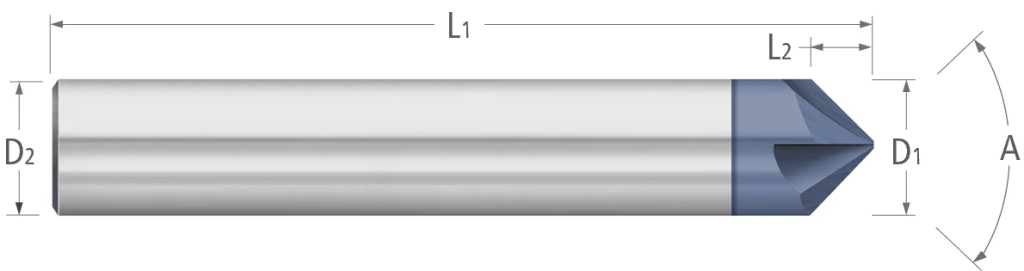
Chamfer mills are used to make the “chamfer,” which is just a beveled or sloped edge. Instead of leaving a sharp 90-degree corner, a chamfer mill will make this corner at an angle (such as 45 degrees). This is good for safety (no sharp edges!) and will aid bolts and pins to adjust more easily. It is a finishing tool that gives a professional appearance.
What Materials Are Used to Make CNC Cutting Tools?
You can’t cut metal with just any old tool. The tools used in CNC machining operations must be many times harder than the material being cut.
The most common material is Carbide. Carbide tools, or tungsten carbide tools, are tough and can withstand very high temperatures. This gives them a much longer tool life.
Another one that’s been around a long time is High Speed Steel (HSS). HSS tools are not as hard as carbide, but they are tougher and not as brittle. This makes them very good tools for drill bits. Coatings such as Titanium Nitride will also be found on CNC cutting tools to provide them with increased corrosion resistance and additional hardness.
How To Select The Right CNC Machining Tool
It is essential to pick the right CNC cutting tools. This means looking at several different important functions. First, what is the material being cut? Carbon steel, aluminum, wood, or hard cast iron? This provides the necessary character for the tool material.
Second, what machining operation is being performed? Are they holes? Flat surfaces? Milling, etc.? This tells the type of CNC cutting tools to get.
Lastly, think of high speed and tool life. Sometimes you need to remove material quickly, and other tools are required for an excellent surface finish. Obtaining the right combination of tools is an art in CNC machining.
Conclusion
Alright, that was a lot of stuff, wasn’t it? The world of CNC machining tools is quite large and interesting. These tools are the ones that make modern manufacturing possible. No other type of tool will do the work. All the different tools, from drill bits to the complicated gear cutter, serve their purpose.
They are the unsung heroes of the machining world. Understanding the tools used in CNC machining is the first step to mastering the trade.
Whether you are machining nonferrous metals or hard steel, selecting the proper tools will affect the performance, surface, and quality of the machined parts. We have just grazed the surface of this subject, but hopefully have given you some idea of the wonderful world of these CNC cutting tools.


 EU
EU