

Fillet vs Chamfer: How They Difference and Their Uses 

Fillet vs Chamfer

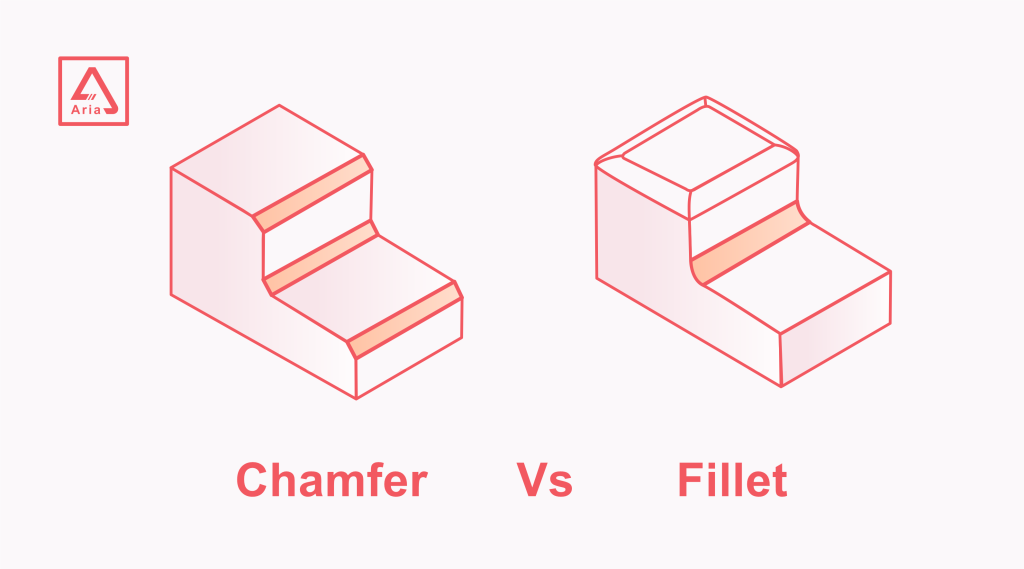
When designing parts that stack together, edge is a predominant factor to consider. On that note, we have fillets and chamfers, two different edge styles that impact the joining and movement of connected parts. Fillet uses a rounded edge to reduce mechanical stress. Chamfer, on the other hand, uses an angled, flat slope that supports easier assembly of mating components. In this article, we’ll explore how both edge styles work and when to use them. 

Key Takeaways

1. Shape: Fillet is a rounded transition, while chamfer is a beveled cut.

2. Stress: Fillets distribute stress better; chamfers are weaker against stress.

3. Machining: Fillets require specialized tools, while chamfers are quicker to produce.

4. Application: Fillets are used in high-fatigue parts; chamfers aid assembly and deburring.

What is a Fillet?

fillet

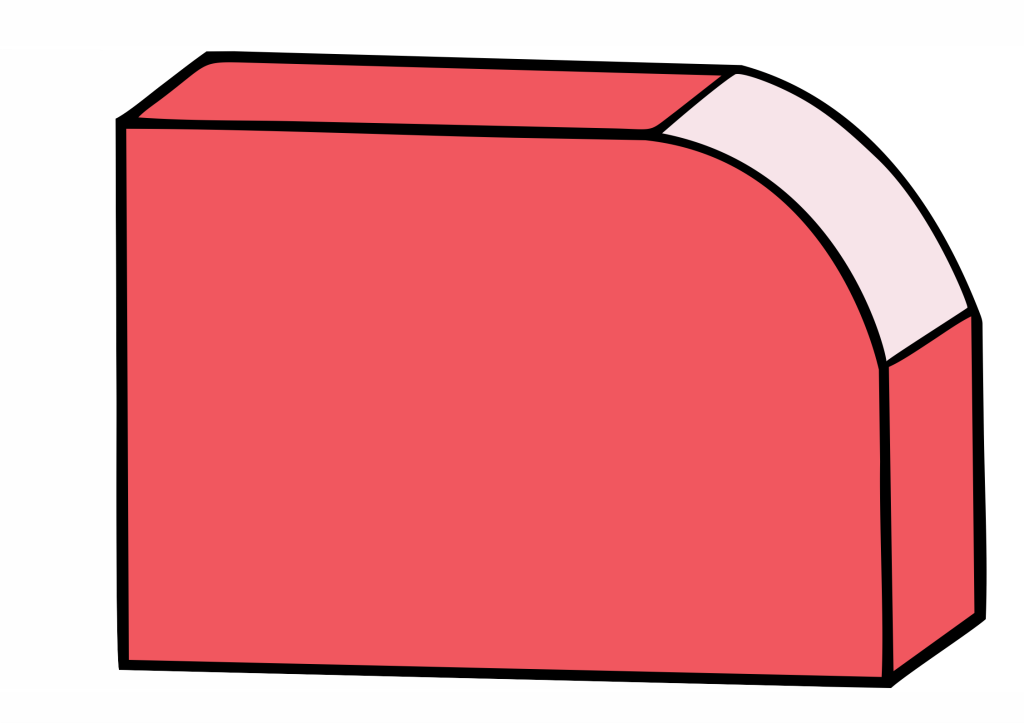
In mechanical engineering, a fillet is a rounded interior or exterior corner on a part. The style eliminates sharp corners and replaces them with a rounded edge that connects the two faces of an object. 

The fillet is critical for aesthetics, but there is more. It also has a role in casting, molding, and 3D printing. The fillet has a unique geometry, a seamlessly curved edge, which enables all parts of connected surfaces to slide more easily as opposed to sharp edges.

There are two common ways to create a fillet: you can do so through machining a radial tool path or via 3D printing. The first process requires a machining tool to cut out a path between two surfaces on your objects. The 3D printing option creates the fillet design through a software program, where you can include the desired detail. 

Example of a Fillet (The Edge Style, not Boneless Meat)

The fillet edge style has several practical uses based on its rounded design. An example is a mechanical arm that bears a load. The internal corners where the arm and base meet would need to be rounded rather than sharp. This design is a fillet; it is picked because it reduces stress concentration. If these edges were missing, friction and load could lead to fatigue the same way stress affects a human.

Types of Fillets for Smoothing Sharp Edges

Several types of fillets exist based on their curvature and the location on the part surface. Here are the three main separate fillets types: 

Convex Fillet:

The convex fillets are often used on the exterior corners of a part to make an outward round edge. This unique design eliminates the dangers of sharp corners. This fillet is found in heavy load applications as it provides better stress distribution across the outer surface but retains an aesthetic look.

Concave Fillet:

The concave fillets appear in the interior of components. This fillet type ensures surfaces blend for a seamless finish. The interior curvature reduces stress on the load-bearing, mechanical components. They also confer improved structural integrity. The concave fillet is one of the two separate fillets based on the curve (inwards or outwards).

Miter Fillet:

The miter fillet is a complex transition where multiple surfaces meet a corner. This works often by blending a side fillet with a top one. In CAD programming, this format ensures curvature flow in a 3-way corner. It prevents the expected pinch point that might occur with a single fillet. 

When Do You Need Fillet Edges?

A fillet has several applications based on its durability and design. This section highlights them: 

Heavy Load Bearing:

Fillet edges are ideal for parts that would be under intense pressure or carry heavy loads. The design reduces stress concentration and prevents early fatigue on the part.

Aesthetics:

When a part requires an aesthetic display, a fillet creates a curved appearance. The look is often preferred over sharp edges.

Safety:

Fillets replace sharp and potentially dangerous corners with smooth curves, which are generally safer for the end users. 

Note

Note

1. In 3D printing, fillets are easier to form than sharp corners and can avoid support structure issues.
2. Internal fillets naturally distribute stress, while external fillets enhance visual softness.
3. In CNC machining, fillet toolpaths are smoother and improve surface finish.
Custom Quality Parts By Aria

What is a Chamfer?

what is chamfer

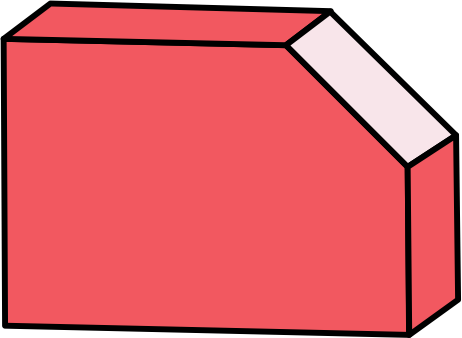
A chamfer is a transitional edge that stays at an angle between two surfaces of a part. It differs from the rounded look of a fillet and is similar to a ramp/bevel that joins the top of a part to the side. 

When discussing fillet or chamfer, the latter is often the practical and cost-effective choice. It helps buffer sharp changes without dealing with the complexity seen in fillets. Also, you can manufacture this edge style through various means. They include machining, hand-cutting, and CAD programming. The chamfer lacks a radius; hence, it is easier and faster to cut than fillets. Let’s explore the deep ends. 

Example of a Chamfer

A typical example is the angle edge on the end of a bolt. This style enables the bolt to slide into a matching hole. When you remove the typical 90-degree slope and insert a flat slope, the chamfer provides a guide for assembling mating parts. 

Types of Chamfers

Chamfers come in two main types based on their angle and length. Here is an overview of both: 

Single-angle Chamfer:

This chamfer is made in a single right and left angle at 45 and 60 degrees. However, the 45-degree is more common and used for assembling mating components. While this chamfer comes in 45 and 60 degrees, it can be customized to any angle. 

Double-angle Chamfer (Variable Specifications):

This chamfer is often specified by angle and face length. Using CAD software, it is possible to specify a face length or angle for a specific chamfer geometry automatically.

When Do You Need Chamfered Edges?

A chamfer is often preferred when cost and assembly are major concerns. Here is a closer look at what we mean: 

Mating Parts:

Chamfers are the obvious choice when the project requires pins and bolts to join parts together. They ensure proper connection and movement. 

Better Cost:

If the part doesn’t need the fillet’s stress-reducing properties, the chamfer is a better financial decision because of its lower cost. It is cheaper as they are made with a one tool, such as a spot drill, and one simple motion.

Edge Breaking:

If you want to remove a sharp edge without load-bearing, go with the economical solution. 

What is the Difference Between Fillet and Chamfer?

The two main edge styles differ, and knowing how they do can help make informed decisions. This section discusses their appearance, stress resistance, and purposes.

Document
Features Fillet Edges Chamfered Edges
Appearance Shapes Rounded and curved: Concave/convex curve Flat and angled: A linear ramp connecting two surfaces.
Design Purposes The main purposes are heavy load-bearing and reducing stress. Primary use is joining mating parts like bolts and screws.
Profile Concave/Convex. Waterfalls from the top to the sides with a continuous curve. Beveled/Sloped. Typically, it is a 45-degree diagonal cut. However, the angle is often customizable.
Machining Tools Leverages a radial tool path with multiple sweeps to make a curve. You can cut the chamfer with a spot drill
Machining Time Precision increases manufacturing time. 3Straightforward drills allow for quick production.
Typical Values Defined by the radius that makes up the curve Defined by the angle and the length (depth) of the face.
Stress Resistance Great for preventing fatigue and increasing load-bearing capacity. Can't handle stress or heavy load like the fillet. 

Can you incorporate both fillets and chamfers in a single design?

Yes. Some products call for both chamfers and fillets. These two edge treatments can coexist harmoniously, each providing unique functional or aesthetic benefits.

What should be considered when choosing Fillets or Chamfers?

When choosing between a fillet and a chamfer, consider the following factors. Below, we compare both edge styles, from their applications to safety. 

Function

The major functional difference between the fillet and chamfer is generally load-bearing. If you are working with a component that would handle heavy loads or fatigue, the fillet is a better choice. Another function is mating. The chamfer is better for making parts fit, like a bolt to a hole. 

Difficulty of Processing

A filet requires a higher level of precision and complex paths for its rounded curve. On the other hand, chamfers are easier to process due to the straightforward and single-motion tooling needed to create the edge design.

Cost Effectiveness

Hands down, the chamfers are more cost-effective. The edge style is less expensive to make when compared to fillets. The latter requires multiple tool passes to shape the curve/3D printing. This increases the style manufacturing time and so the cost. If you aren’t looking for stress reduction or high load-bearing capabilities, choosing a chamfer reduces your production costs.

Prevent Rust & Coatings

Standard engineering practice states that fillets support a smoother application of coatings compared to chamfers. On this note, fillet has better corrosion resistance than the alternative. 

Part Assembly

A chamfer is the industry standard for mating parts. The style’s angled slopes enable screws and bolts to align and enter the right holes seamlessly. However, fillets are less effective in this area. 

Safety

Both edge types provide better safety by smoothing sharp edges. Most end users prefer filet for exterior on consumer goods thanks to its softer and seamless feel. 

Custom Quality Parts By Aria

Conclusion 

Generally, when choosing between fillet and chamfer edge style, it boils down to stress reduction, aesthetic body, and mating needs. A fillet is ideal for high-stress and load-bearing areas. It is also great if you are considering aesthetics and safety (replacing sharp and potentially dangerous edges with curved ones). Alternatively, the chamfers are ideal for efficient assembly and cheaper edge breaking. The style’s features dictate its uses.  

casibom casibom
滚动至顶部