
Overmolding: Process, Materials, Applications and Design Guide
Written By:
Gavin Leo
Updated By: Gavin Leo
Published:
Updated
Share:
Table of Content
Table of Content
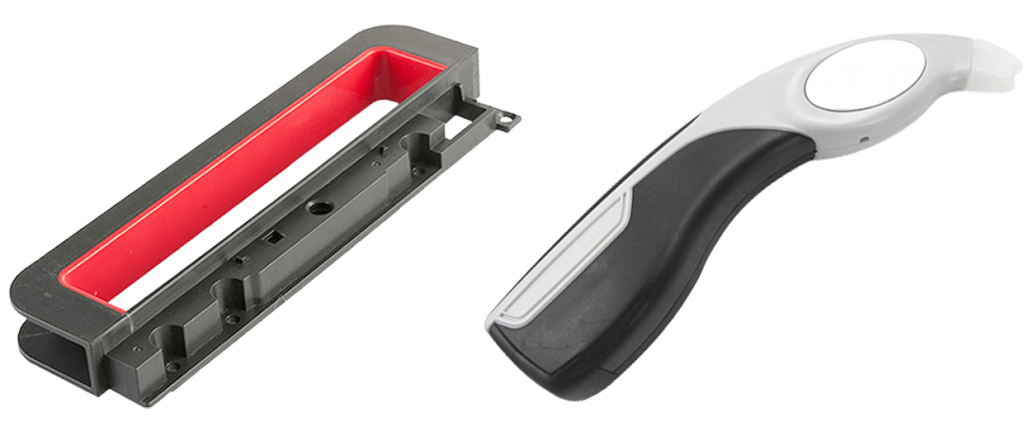
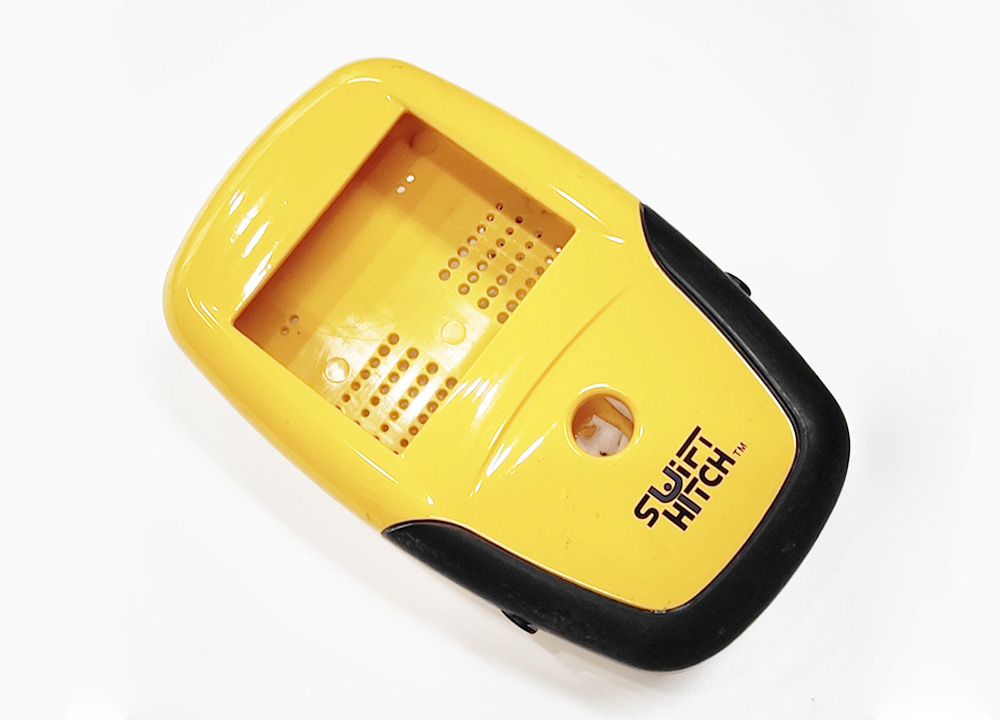
Overmolding is a multi-step injection molding process in which two or more materials are layered upon each other to form a single, integrated component or product.
It can reduce assembly steps, lower production costs, and dramatically improve product quality.
Whether you’re designing consumer electronics, medical devices, or automotive components, understanding overmolding gives you a powerful tool to elevate your products and optimize your manufacturing process.
How Does Overmoling Works?
This process begins with a solid base component, known as the base, which is usually made of hard plastic. Subsequently, a second material (usually a flexible thermoplastic elastomer (TPE) or a similar rubber compound) is directly injected and applied over and around the base.
These two materials will combine with each other, possibly through chemical means, mechanical methods, or both, thus forming a unified whole without the need for glue or secondary assembly.
Step-By-Step Process
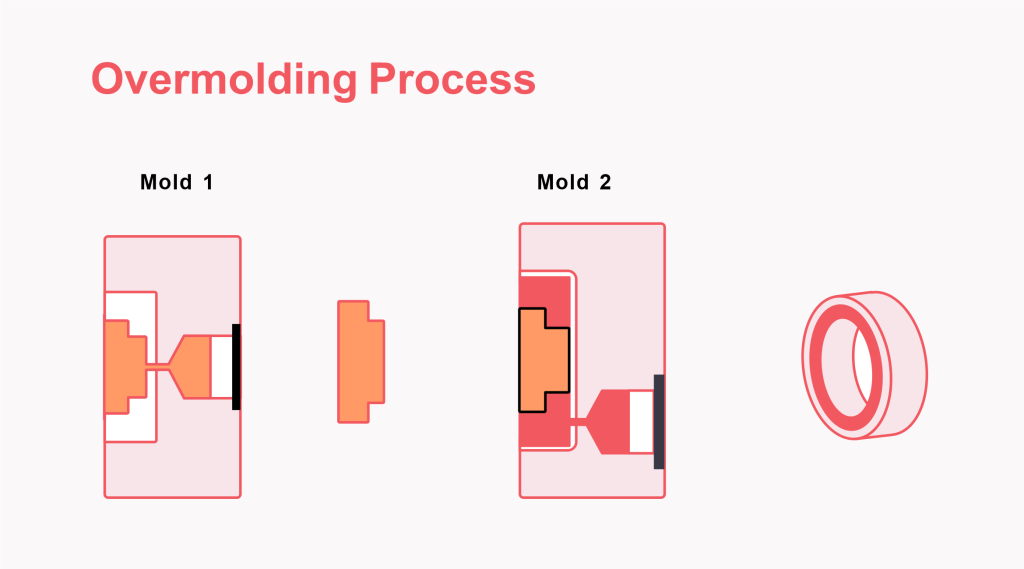
Step 1: Substrate Molding
A rigid thermoplastic such as ABS, polycarbonate, or nylon is injected into a mold and allowed to cool. This base component becomes the structural core of the final part.
Step 2: Substrate Transfer
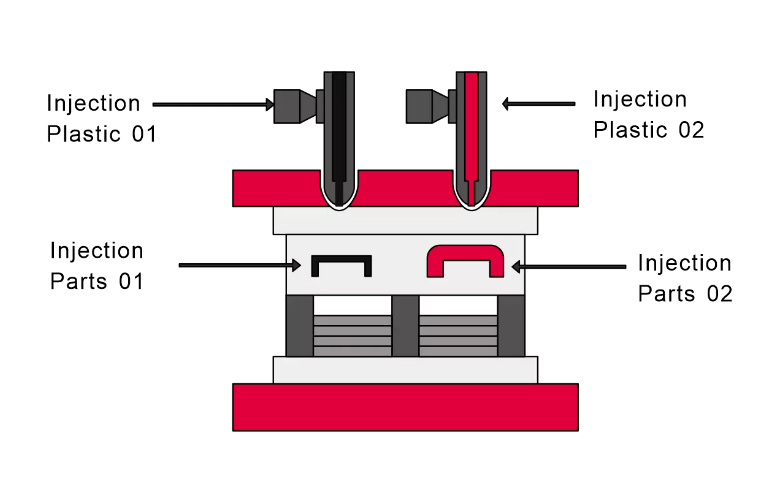
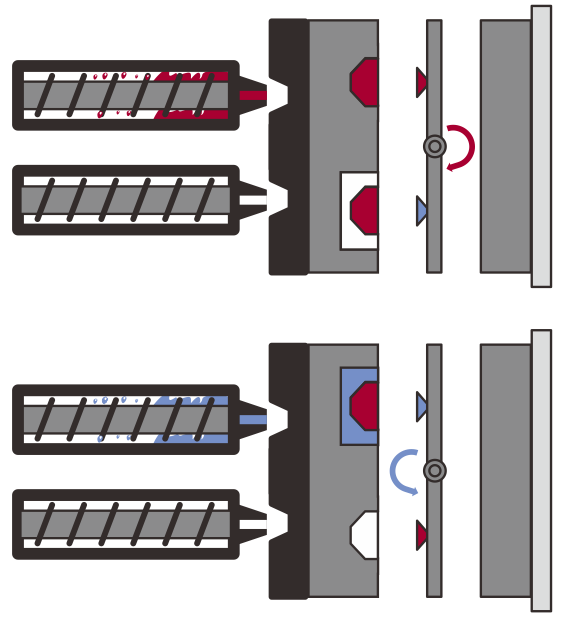
The cooled substrate is either manually moved to a second mold, or automatically rotated within the same machine to a second cavity. The second method (two-shot or 2K molding) is faster and more consistent, though it requires more complex tooling.
Step 3: Overmold Injection
A second material, typically a TPE, silicone, or similar elastomer, is injected over the substrate. As the hot material flows in and cools, it bonds to the substrate surface.
Step 4: Cooling and Ejection
Once the part has fully cooled, it is ejected as a single integrated piece.
Overmolding Operations
There are several operational approaches to overmolding, each suited to different production needs:
Standard Overmolding (Manual Transfer)
The substrate is molded in one machine, removed, and manually placed into a second mold for overmolding. This approach requires two separate molds and more labor but offers flexibility.
It is commonly used for prototyping and lower-volume production runs.
Two-Shot (2K) Injection Molding
Both the substrate and overmold are produced in a single machine. The substrate is formed in the first cavity, the mold rotates, and the second material is injected in the next cavity, all within one automated cycle.
This approach improves consistency, shortens cycle time, and removes the handling steps between shots. It is best suited for high-volume production.
Material Selection for Overmolding
Material selection is one of the most important decisions in any overmolding project. the substrate materials needs to provide structural support and withstand the second injection shot.
While the overmold material is chosen for the surface properties it delivers, such as grip, tensile related properties, hardness, flexibility, adhesion or sealing, with compatibility between the two being the deciding factor.
Common Substrate Materials
Material
Properties
Common Use Cases
ABS (Acrylonitrile Butadiene Styrene)
High melting point, bonds readily with TPE/TPU, good surface adhesion
Consumer electronics, housings
PC (Polycarbonate)
Strong dimensionally stable, compatible with most overmold materials
Medical devices, optical components
Nylon (PA)
Withstands high processing temperatures, bonds well with TPE and TPU
Mechanical parts, connectors
PP (Polypropylene)
Chemically resistant but requires mechanical interlocking or adhesion promoter for bonding
Packaging, automotive parts
POM (Polyacetal / Delrin)
Low surface energy makes chemical bonding difficult; mechanical interlocking required
Precision mechanical components
PEEK
Retains structural integrity under extreme heat and pressure during overmolding
High-performance medical/aerospace parts
PBT
Heat-stable, maintains shape under injection pressure, bonds with select elastomers
Electrical connectors
Common Overmold Materials
Material
Properties
Common Applications
TPE (Thermoplastic Elastomer)
Soft, flexible, wide color range
Grips, seals, soft-touch surfaces
TPU (Thermoplastic Polyurethane)
Durable, abrasion-resistant, elastic
Protective cases, cables
TPR (Thermoplastic Rubber)
Rubber-like feel, low cost
Tool handles, consumer goods
LSR (Liquid Silicone Rubber)
Biocompatible, temperature-resistant
Medical devices, baby products
Silicone
Flexible, high temp resistance
Seals, gaskets, wearables
Pro Tip:
Always verify material compatibility with your overmolding service provider or perform bonding tests before finalizing your design.
Benefits and Limitations of Overmolding
Benefits
Improved Ergonomics and User Experience
Overmolding puts soft, grippy surfaces exactly where users need them: handles, buttons, and grips. The result is better comfort and usability across tools, medical devices, and consumer electronics.
Enhanced Product Durability
The overmold layer absorbs shock and vibration, acting as a built-in bumper. It also provides resistance to UV radiation, chemicals, and moisture, extending the product’s service life.
Reduced Assembly and Labor Costs
By combining multiple components into a single molded part, overmolding eliminates adhesive bonding, mechanical fastening, and secondary assembly operations. Fewer parts mean lower assembly time and reduced risk of assembly errors.
Improved Sealing and Insulation
A soft overmold material can create watertight seals and provide electrical insulation, making it ideal for outdoor, medical, and electronics applications.
Reduced Part Count
Consolidating multiple components into a single overmolded part simplifies the supply chain, reduces inventory management complexity, and lowers overall product cost.
Limitations
High Upfront Tooling Costs
Overmolding requires two separate molds, and metal tooling is costly to build and modify.
Material Compatibility Constraints
Not every combination of materials bonds well. Incompatible pairings require mechanical interlocking, which adds design complexity and may reduce bond strength.
Longer Development Time
Dialing in two-shot or standard overmolding processes requires careful optimization of temperatures, pressures, and cycle times. This can extend the development phase.
Flash and Parting Line Challenges
Keeping the overmold material from bleeding onto substrate surfaces where it doesn’t belong (flash) requires careful mold design and process control.
Common Applications of Overmolding
Overmolding is used across virtually every industry where performance, comfort, or aesthetics matter:
Consumer Products
Toothbrushes– Rigid plastic core with soft rubber grip zones
Power tools– Hard structural bodies with soft-touch handles for vibration damping
Kitchen utensils– Metal or rigid plastic cores with ergonomic rubber grips
Razor handles– Multi-material handles combining structural rigidity with grip
Medical Devices
Surgical instruments– Autoclavable handles with ergonomic, non-slip grips
Portable diagnostic devices– Protective soft shells that absorb drops and impacts
Catheters and tubing– Flexible joints and strain relief
Wearable health monitors– Soft skin-contact surfaces over rigid electronics
Consumer Electronics
Smartphone cases– Rigid inner frame with shock-absorbing soft outer layer
Earphones and headsets– Soft ear tips and headbands over rigid housings
Remote controls– Soft-touch buttons and grips
Cable strain relief– Flexible overmold at bend points to prevent wire fatigue
Automotive
Interior trim components– Soft-touch surfaces on dashboards and door panels
Knobs and switches– Ergonomic tactile surfaces
Seals and gaskets– Integrated sealing elements
Steering wheel grips– Comfort and control surfaces
Industrial and Defense
Handheld measurement instruments– Drop-resistant housing with ergonomic grips
Connectors and cable assemblies– Strain relief and environmental sealing
Military equipment– Ruggedized grips and protective covers
Design Considerations
Successful overmolding depends as much on smart design as on process control. Following these design guidelines will help ensure strong bonds, defect-free parts, and a smooth production ramp.
Wall Thickness
Keep wall thickness as consistent as possible throughout the part. Substrate walls sit between 1.5 mm and 3 mm, with the overmold layer between 1 mm and 2 mm. Where thick sections are unavoidable, coring them out reduces shrinkage and cycle time. Sharp internal corners should use a minimum radius of 0.5 mm to reduce localized stress.
Gate Location
Position the gate (injection entry point) so that the overmold material flows evenly across the substrate surface without creating weld lines, air traps, or incomplete fills. Avoid gating directly onto a bond surface if possible.
Draft Angles
Both the substrate and the overmolded part require adequate draft angles (typically 1° to 2° minimum) for clean ejection from the mold. The substrate must also be designed for easy loading into the second mold without damage.
Parting Line
The parting line (where the two mold halves meet) determines where flash may occur. Design the substrate with raised ribs or stop-offs along the parting line to prevent the overmold material from bleeding onto substrate surfaces that should remain exposed.
Sealing Features
The mold must seal tightly against the substrate to produce clean edges between the two materials. Where the joint interface runs close to the draft direction, increasing the angle of that surface reduces the risk of flash and irregular parting lines.
Shrinkage
TPE and similar overmold materials tend to shrink more than the rigid substrate as they cool, which can cause warping on long or thin parts. Using a stiffer substrate, adding ribs, and keeping the overmold layer thin all help manage this.
For plastic insert applications, building in 0.003 in to 0.005 in of interference at the interface accounts for shrinkage and tolerancing.
Insert Molding vs. Overmolding: What's the Difference?
Overmolding bonds a second material over a pre-molded plastic substrate in a separate molding step, while insert molding encapsulates a pre-made component (typically metal) inside plastic during a single injection molding cycle.
The key differences:
Base component: Overmolding starts with plastic; insert molding typically starts with metal or another rigid component.
Process: Overmolding is a two-shot or secondary molding step; insert molding is a single-shot process.
Purpose: Overmolding adds softness, grip, or aesthetics; insert molding adds structural strength, threading, or electrical conductivity.
Bond: Overmolding relies on chemical or mechanical adhesion between two polymers; insert molding relies on the plastic shrinking and locking around the insert as it cools.
Gavin is a manufacturing specialist and content editor at Aria Manufacturing. With years of experience in CNC machining and mechanical design, he helps global clients choose the right manufacturing solutions and improve part performance while reducing costs.
Custom Quality Parts By Aria
Send your specs. We’ll get back with a quote in 12 hours.